Post by : Anis
Al-Rashid
A Transformative Week for Local Tourism
This week marked a noteworthy increase in eco-tourism interest across several favored travel destinations. With travelers leaning toward more sustainable, serene, and meaningful adventures, local guides rapidly adjusted to cater to these new preferences.
Gone are the days of merely chasing sightseeing spots; eco-conscious adventurers are seeking out low-impact pursuits—birdwatching, forest strolls, village experiences, waterfall explorations, craft sessions led by locals, and visits to organic farms.
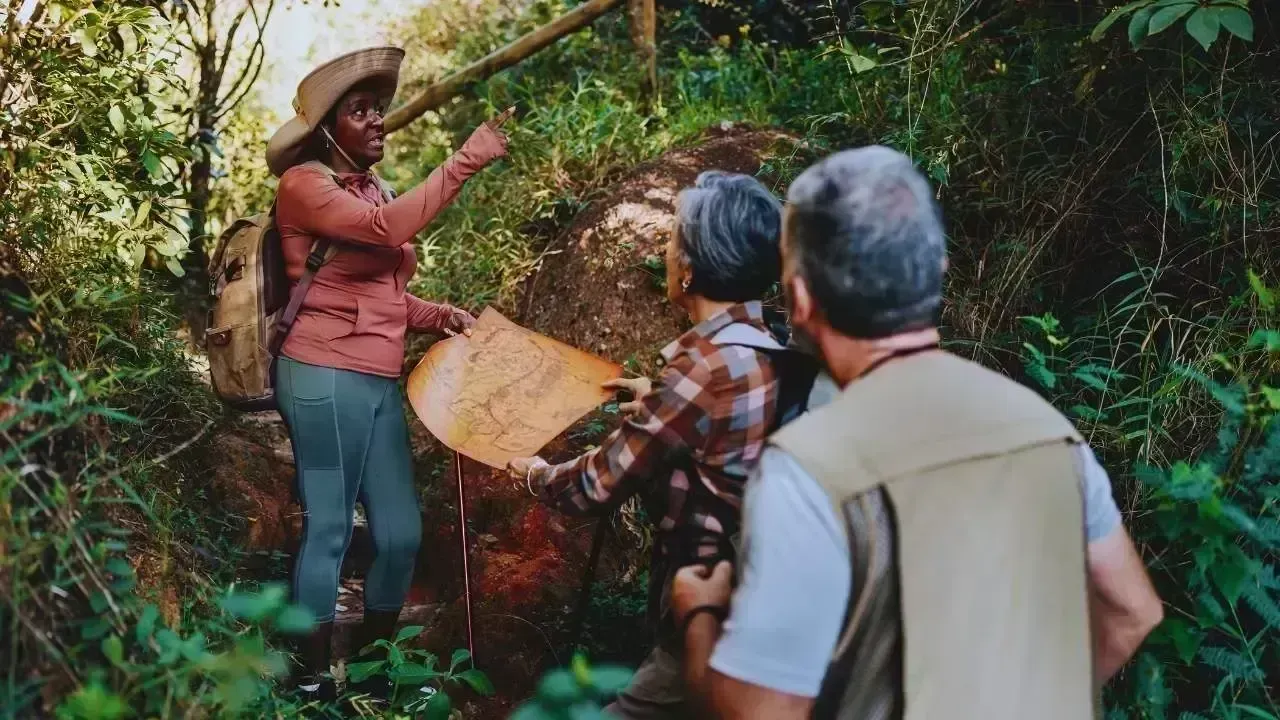
This trend not only heightened demand but also transformed the essence of guided tours. Many local guides, who possess rich ancestral connections to the region, reworked their itineraries, communication methods, and safety measures to stay in sync with this evolving interest in eco-tourism.
This article delves into how these changes unfolded—marking this week as a pivotal moment.
Reasons Behind the Surge in Eco-Tourism This Week
A confluence of factors contributed to the sudden spike in eco-tourism enthusiasm:
1. Seasonal Weather Improvements
Ideal weather conditions amplified interest in outdoor activities.
2. Work-Related Stress and Urban Fatigue
Professionals sought calmer, more grounding travel opportunities.
3. Renewed Focus on Sustainability
Online discussions around the environment made vacationers more mindful.
4. Influencers Showcased Hidden Green Gems
Authentic content featuring natural trails and eco-friendly stays gained traction.
5. Experience Over Itinerary
Travelers prioritized a connection with nature over visiting overcrowded destinations.
In this climate, local guides bridged the gap between explorers and genuine eco-friendly experiences.
How Local Guides Have Responded: A New Manual for Eco-Tourism
1. Crafting Low-Impact Itineraries
Guides transitioned from busy hotspots to tranquil, sustainable paths such as:
These modifications lessened ecological pressure while enriching travel experiences.
2. Incorporating Educational Insights
Local guides enhanced their narratives this week:
-
Highlighting local flora and fauna
-
Sharing traditional ecological wisdom
-
Discussing water sources, migrating species, soil types, and heritage vegetation
-
Focusing on conservation initiatives by rural communities
These insights turned standard excursions into enriching educational experiences.
3. Promoting Responsible Travel Practices
Guides began integrating simple yet impactful sustainability reminders:
These reminders were naturally embedded in friendly dialogues.
4. Introducing Community-Focused Activities
To tap into the eco-tourism wave, guides collaborated with local communities to offer hands-on experiences like:
-
Farm tours
-
Culinary experiences in villages
-
Crafting workshops, including pottery and weaving
-
Traditional fishing tactics
-
Storytelling evenings in tribal settings
These initiatives not only enhanced visitor enjoyment but also bolstered community income.
5. Customizing Tours to Individual Preferences
This week, guides personalized their offerings, segmenting travelers into interest-based groups:
-
Bird enthusiasts
-
Hiking fans
-
Photography lovers
-
Botanical explorers
-
Leisure travelers
-
Families
This individualized approach created personally meaningful experiences.
Safety Became Paramount This Week
1. Enhanced Pre-Trek Orientation
Guides provided detailed insights on:
2. Eco-Friendly Gear Options
Sustainable alternatives, such as bamboo walking sticks and eco-friendly bags, were introduced.
3. Real-Time Monitoring
Guides kept track of:
Their expertise ensured safer travel experiences.
Technology Aids Efficiency for Local Guides
1. GPS for Trail Planning
Basic GPS technology helped avoid sensitive areas, such as nesting grounds and erosion spots.
2. Communication Apps for Coordination
Guides utilized:
This enhanced travel coordination.
3. Adoption of Digital Payments
Younger eco-travelers favored cashless options, prompting guides to embrace QR-based transactions swiftly.
Emergence of Slow Travel Trends
This week underscored a notable trend: travelers hesitated to rush.
Rather than exhaustively visiting several spots in one day, they opted for:
-
Leisurely nature walks
-
Unhurried village explorations
-
Peaceful forest interactions
-
Casual campfire storytelling
-
Morning nature photography sessions
-
Guided stargazing nights
Local guides adjusted the pace to allow for deeper engagement and reflection.
Why Travelers Appreciated Local Guides This Week
1. In-Depth Regional Knowledge
Travelers valued guides who:
-
Were knowledgeable about the terrain
-
Recognized wildlife calls
-
Identified medicinal herbs
-
Embraced community history
2. Personal Connections
Small gestures—sharing local dishes, telling village tales, spotting unique birds—made experiences memorable.
3. Safety and Familiarity
Guides served as guardians for both guests and the environment.
Benefits of This Week for Local Communities
The eco-tourism surge resulted in tangible advantages:
-
Increased income for guides
-
Boosted village economies
-
Opportunities for rural youths
-
Higher demand for local crafts
-
Revitalized cultural pride
-
Enhanced awareness of conservation issues
Eco-tourism has become a collective success narrative.
Long-Term Implications of This Week’s Eco-Tourism Surge
Should this trend persist, it may significantly alter tourism dynamics:
-
Curated natural paths
-
Eco-villages managed by communities
-
Stronger environmental regulations
-
Controlled visitor limits
-
More eco-conscious lodging
-
Reduced pressure on popular attractions
Local guides will play a crucial role in facilitating this transformation.
Final Thoughts
The eco-tourism boom this week represents more than a trend; it's a shift in cultural mindset. As individuals sought enriching experiences connected to nature, local guides rose to the occasion with ingenuity, care, and profound knowledge. They enhanced itineraries, deepened narratives, prioritized safety, empowered communities, and brought travelers closer to nature in a genuine manner.
Their adaptive strategies not only enhanced travel experiences but also fortified the link between tourism and environmental health. If this week serves as a benchmark, the road ahead for travel is more sustainable, community-focused, and authentic.
DISCLAIMER:
This article is for informational purposes only. Practices related to eco-tourism, safety procedures, and local regulations can vary. Travelers are encouraged to heed local directives and respect ecological boundaries.


 English