Post by : Mariam
Al-Faris
A strong earthquake struck northern Kyrgyzstan early Monday, causing alarm among residents and being felt across several parts of Central Asia. According to the European-Mediterranean Seismological Centre (EMSC), the tremor occurred at 01:58 am IST (20:28 UTC Sunday) and recorded a magnitude of 5.4. The quake’s epicentre was about 45 kilometres northeast of Kanysh-Kyya, situated in the Tien Shan mountain range. The quake occurred at a shallow depth of 10 kilometres, making it easily felt at the surface. Although initial reports suggested a higher magnitude of 5.7, seismologists later revised the figure to 5.4 after further analysis.
Widespread Shaking Across Central Asia
Residents across Kyrgyzstan, Kazakhstan, and nearby regions reported feeling strong vibrations that lasted for several seconds. In many towns, people were seen rushing outdoors in fear as furniture shook and windows rattled. While authorities have yet to confirm any significant damage, local emergency agencies quickly launched assessment operations. In Bishkek, the capital of Kyrgyzstan, and in parts of southern Kazakhstan, people reported mild to moderate shaking, but there were no immediate signs of structural damage or power outages.
Epicentre in the Tien Shan Mountains
The quake’s epicentre in the Tien Shan mountain range lies within one of Central Asia’s most seismically active zones. This vast mountain system, stretching across Kyrgyzstan, Kazakhstan, and western China, is known for frequent earthquakes due to the ongoing collision between the Indian and Eurasian tectonic plates. The region regularly experiences moderate tremors ranging between magnitudes 4 and 6. Monday’s earthquake, though not powerful enough to cause widespread destruction, was strongly felt due to its shallow depth and mountainous terrain.
History of Seismic Activity in the Region
Kyrgyzstan and its surrounding countries have a long history of seismic events. Past earthquakes in the Tien Shan range have occasionally caused landslides and damage to rural settlements. In 2021, a 6.1-magnitude earthquake struck southern Kyrgyzstan, damaging homes and injuring dozens. The rugged terrain, combined with sparsely populated mountain villages, makes monitoring and emergency response more challenging. Because of this, authorities regularly conduct drills and awareness programmes to prepare communities for such natural events.
Local Communities Remain Cautious
While there have been no confirmed reports of casualties or major structural damage so far, officials have urged residents to stay alert. Minor aftershocks are common after moderate quakes, especially in mountainous regions. Local authorities have advised people to avoid unstable structures and monitor official announcements. In several towns, schools and public buildings were briefly inspected to ensure safety. Some regions also experienced temporary communication disruptions, though services were quickly restored.
Government and Emergency Response
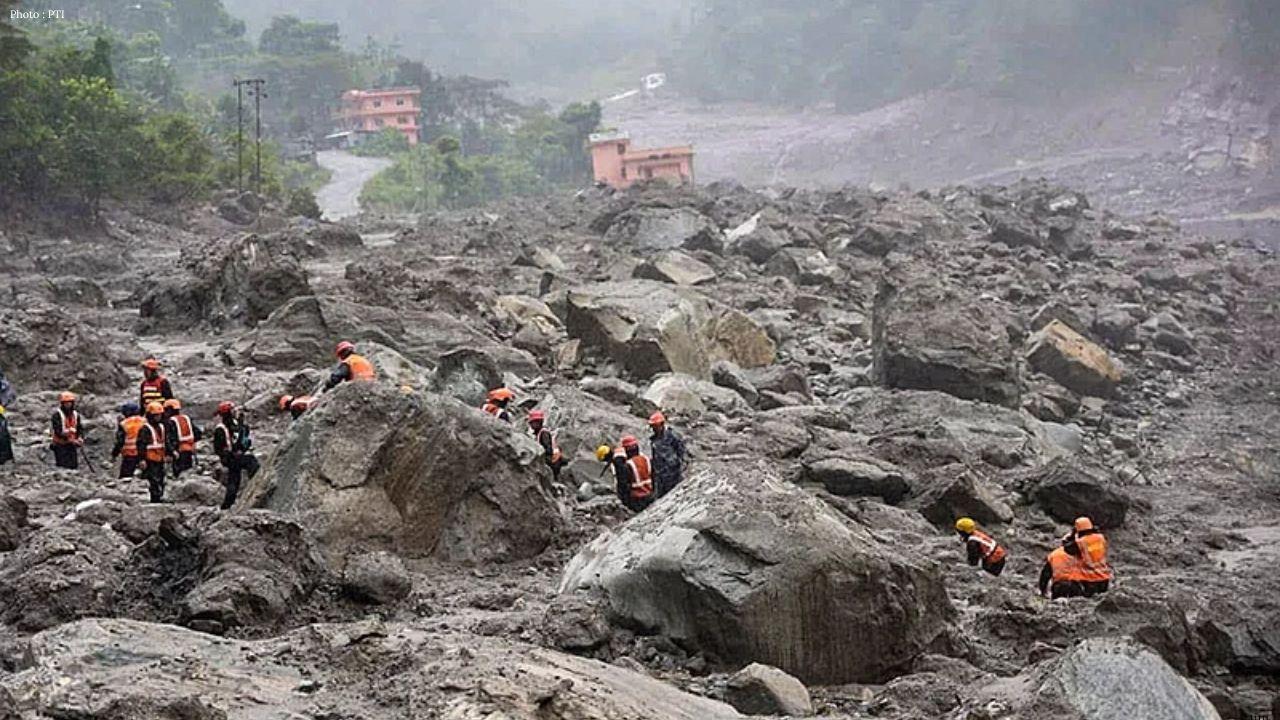
Emergency management teams in Kyrgyzstan and neighbouring Kazakhstan were immediately placed on standby following the quake. Rescue units were deployed to assess rural areas near the epicentre, especially those in the Tien Shan foothills, where the risk of rockslides is higher. The Kyrgyz Ministry of Emergency Situations stated that monitoring stations were continuing to record seismic data to track potential aftershocks. Authorities have assured the public that they are ready to respond swiftly if any secondary effects or damage reports emerge.
Understanding Central Asia’s Earthquake Risks
Experts say that earthquakes like this one are reminders of Central Asia’s active geology. The ongoing collision of massive tectonic plates has been shaping the Tien Shan mountains for millions of years, creating one of the world’s most complex seismic belts. Because of this, even moderate earthquakes can be widely felt and cause concern among local residents. Scientists emphasize the importance of building resilient infrastructure and improving public awareness to reduce risks in the future.
Calm Restored but Vigilance Remains
By Monday morning, calm had largely returned to the affected areas. Many residents returned to their homes after spending the night outdoors. Despite the fear and confusion that accompanied the tremor, no major injuries were reported. However, experts have warned that aftershocks could continue for several days, and people should remain cautious. Local officials continue to monitor the situation, ready to respond if needed. The event serves as a timely reminder of the region’s vulnerability to natural forces and the need for preparedness at all times.


 English