Post by : Shweta
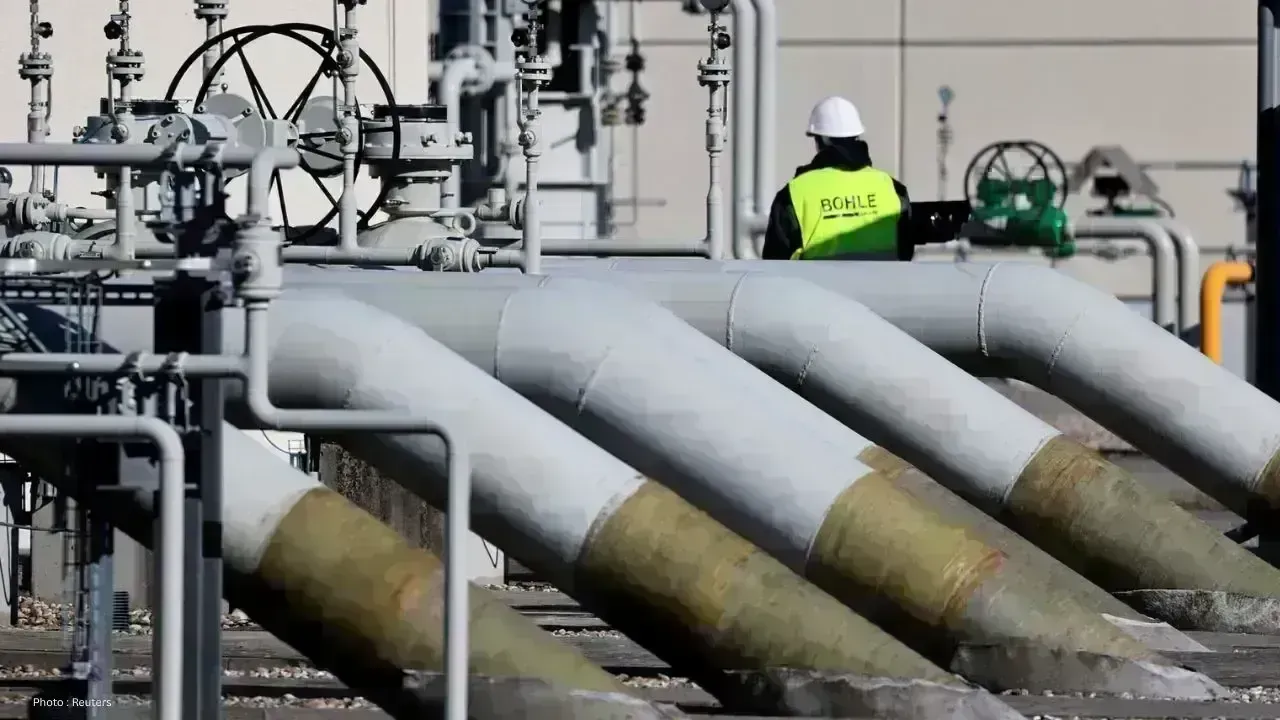
Prime Minister Mark Carney has given his nod to a significant pipeline project aimed at transporting oil from Alberta to Canada's west coast, following discussions with Alberta Premier Danielle Smith. This initiative is projected to fundamentally alter Canada's oil export framework in the upcoming years. The anticipated objective is to attain formal construction approval by September 2027.
The proposed pipeline would facilitate Alberta oil reaching the coast of British Columbia, providing access to Asian markets rather than solely depending on the U.S. Proponents argue that the enhancement of energy infrastructure is critical for optimizing trade prospects, stimulating economic growth, and reinforcing the nation's energy autonomy. Alberta's administration asserts that global demand for oil and gas is projected to remain robust in the long term, particularly in Asia.
Plans indicate that the project will be co-owned by Indigenous groups, ensuring that partnerships with these communities are central to both the development and operational stages. Authorities assert that the active involvement of Indigenous leadership is a priority within this proposal. Furthermore, environmental safeguards, marine safety protocols, and rigorous monitoring systems are promised as integral components of the project's design.
Reports suggest that the consensus between Carney’s federal government and Alberta encompasses political endorsement for the pipeline along with dialogue aimed at alleviating regulatory obstacles that have hindered similar initiatives in the past. Potential agreements could also address future modifications related to tanker restrictions on British Columbia's northern coastline and certain federal emissions regulations.
Nonetheless, the initiative has attracted backlash from environmental advocacy groups and some political representatives in British Columbia. Detractors argue that the project poses heightened climate risks, environmental challenges for coastal areas, and potential legal battles regarding Indigenous land rights and consultation protocols. Certain environmental factions have cautioned that an increased oil production capacity may be at odds with Canada's climate objectives.
British Columbia Premier David Eby has expressed apprehensions about the negotiations transpiring without adequate representation from his province. He emphasized that the voices of British Columbia and coastal Indigenous communities must play a pivotal role in forthcoming conversations, given that a west coast pipeline could significantly impact local communities, waterways, and coastal economies.
In spite of the rising controversies, Alberta's officials maintain that this project symbolizes a colossal opportunity for nation-building. Government projections from previous pipeline assessments suggested the potential for annual revenues in the billions and the creation of hundreds of thousands of jobs linked to a project of this magnitude. Alberta's government is set to deliver comprehensive plans and technical reviews to federal agencies by July 2026 as a part of the approval process.
The discourse surrounding this pipeline has emerged as a critical subject within Canada's political and economic landscape. Advocates are optimistic that this project could bolster Canada’s energy stature globally and decrease reliance on American markets, while opponents highlight environmental hazards and uncertainties related to financial viability in a shifting landscape towards sustainable energy alternatives. The forthcoming months are likely to witness intensified negotiations among Ottawa, Alberta, British Columbia, Indigenous stakeholders, and energy corporations as the project inches closer to formal evaluation.


 English