Post by : Bianca
Haleem
Photo: AFP
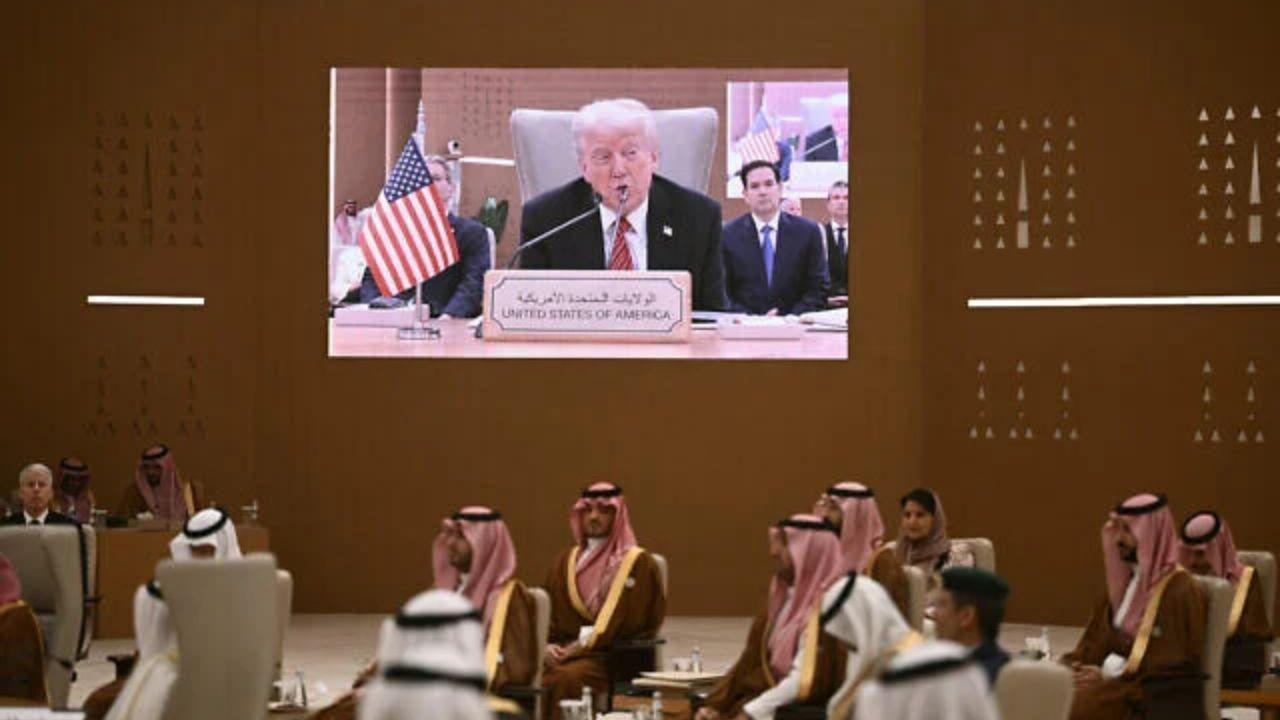
Earlier this month, during his visit to the Middle East, the leaders of Saudi Arabia, Qatar, and the United Arab Emirates told US President Donald Trump that they do not support a military attack on Iran’s nuclear program. This was reported by Hebrew news sources on Thursday.
The leaders — Qatari Emir Tamim Al Thani, Emirati President Mohammed Bin Zayed, and Saudi Crown Prince Mohammed Bin Salman — said that if Iran is attacked, their countries could also be in danger because Iran might target them in return. They also advised President Trump to keep working on a peaceful nuclear agreement with Iran instead of choosing war, according to three officials who know the details, as reported by the Walla news site.
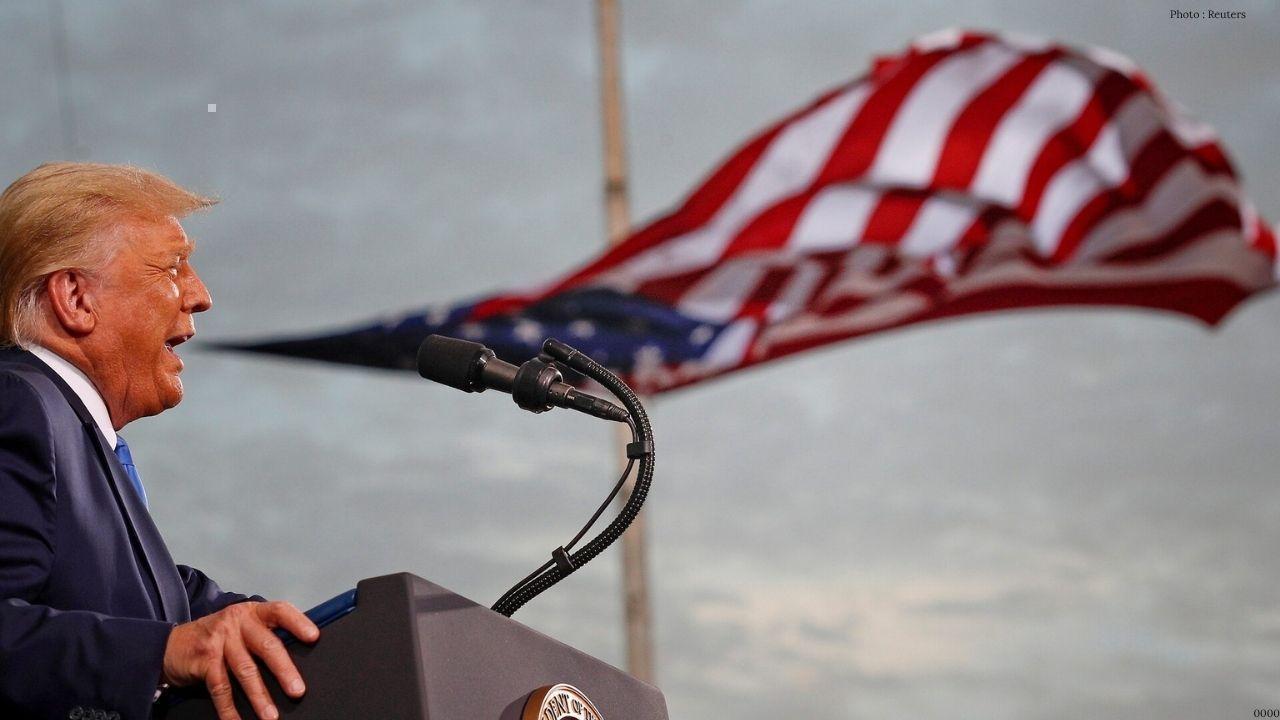
In other reports shared on Wednesday that some US officials are worried that Israel might launch strikes against Iran’s nuclear program without warning, even if an agreement with Iran is still being worked on. Later that day, President Trump confirmed the report and said he had asked Israeli Prime Minister Benjamin Netanyahu not to attack Iran, as it could disrupt the talks happening between the countries.
President Trump has often said that if the US cannot reach a good deal with Iran, he might order airstrikes on Iran’s nuclear sites.
Meanwhile, The US and Iran are getting close to a temporary agreement on Iran’s nuclear program. This agreement might be signed in the next round of talks. Officials hope this will lead to more discussions later to set clear rules for how the deal will work.
One idea being discussed is to create a group made up of countries from the Middle East and the United Nations’ nuclear watchdog. This group would help with enriching uranium for Iran, but nothing has been decided yet.
A big disagreement in these talks is about uranium enrichment. The US wants Iran to stop enriching uranium completely, while Iran says stopping enrichment is a red line that they will not cross.
The current deal does not include Iran’s ballistic missile program, and it’s not expected to cover other issues.
For the deal to satisfy Israel and some members of the US Congress who are very cautious about Iran, Iran might have to send its highly enriched uranium out of the country or reduce its enrichment to a much lower level. This would make it harder for Iran to quickly make a nuclear bomb.
If this happens, President Trump could say that the immediate threat of Iran making a nuclear weapon has been stopped, at least for now.
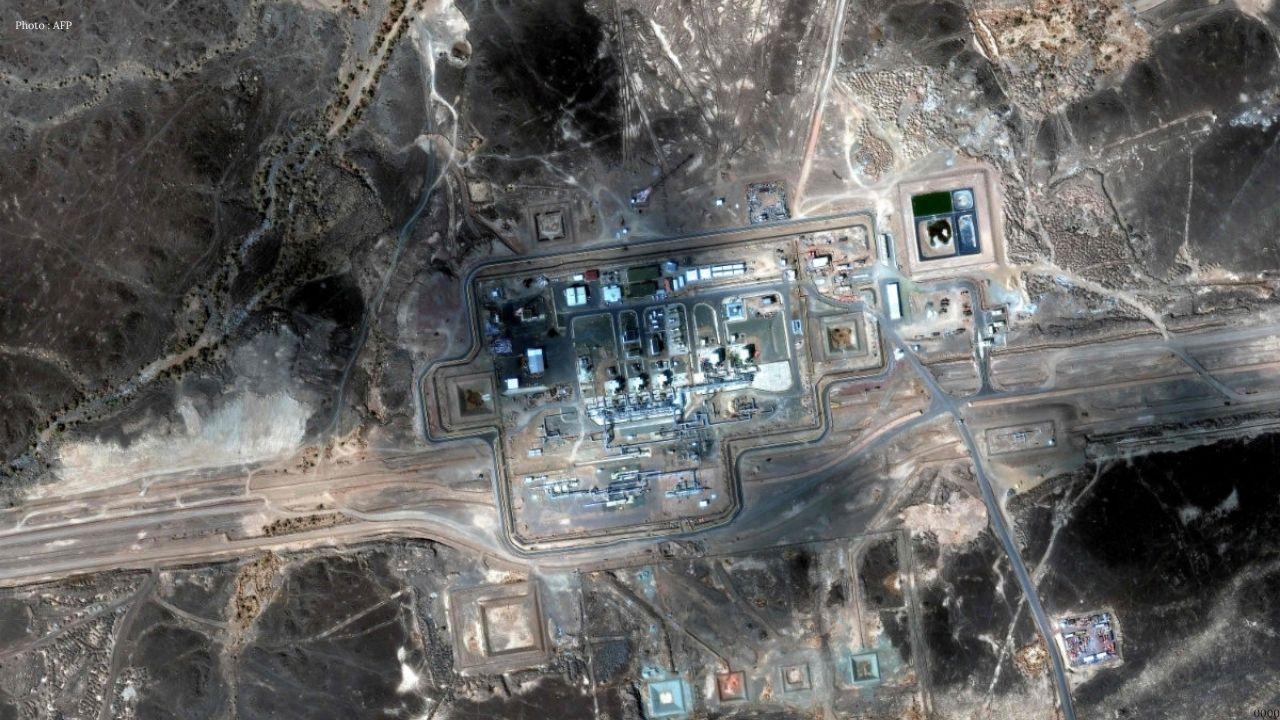
Iran says it does not want nuclear weapons and has refused to destroy Israel. But Iran has been enriching uranium to levels that don’t have peaceful uses. It has also made it harder for international inspectors to check its nuclear sites. Iran has also increased its ballistic missile power, which worries many countries. Some officials warn that Iran could still try to build a nuclear bomb in the future.


 English