Post by : Saif
Al-Najjar
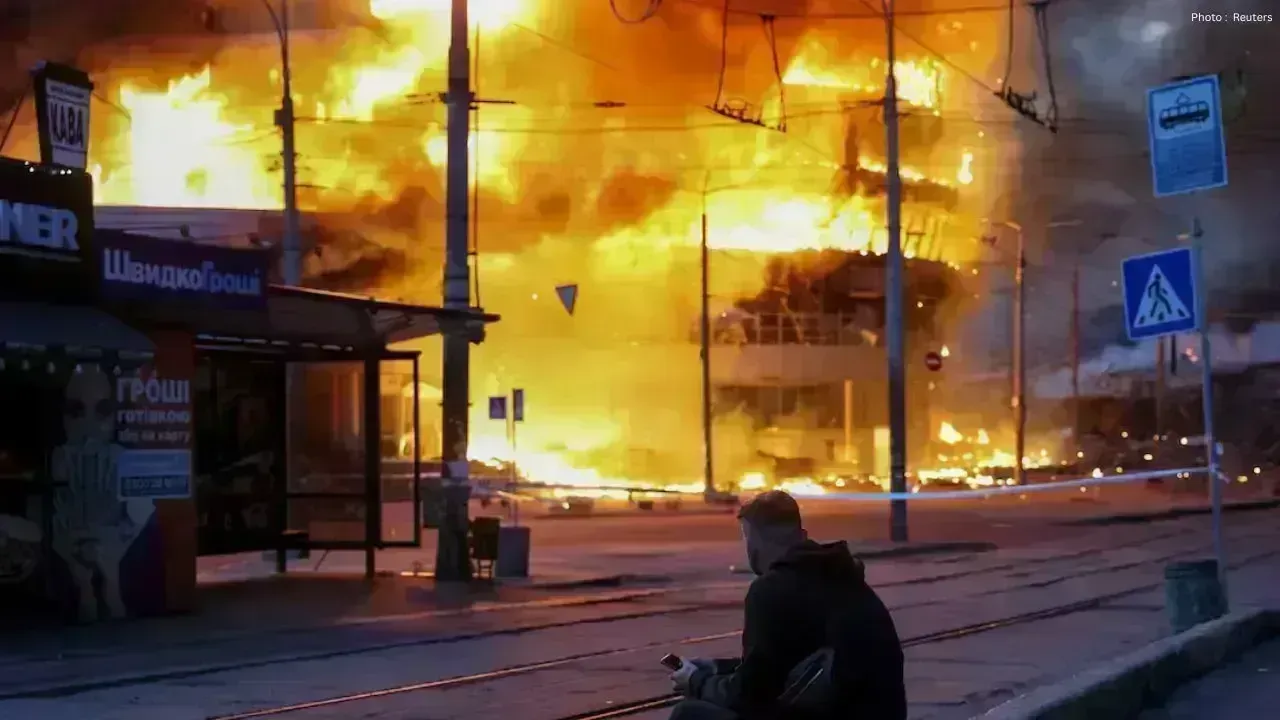
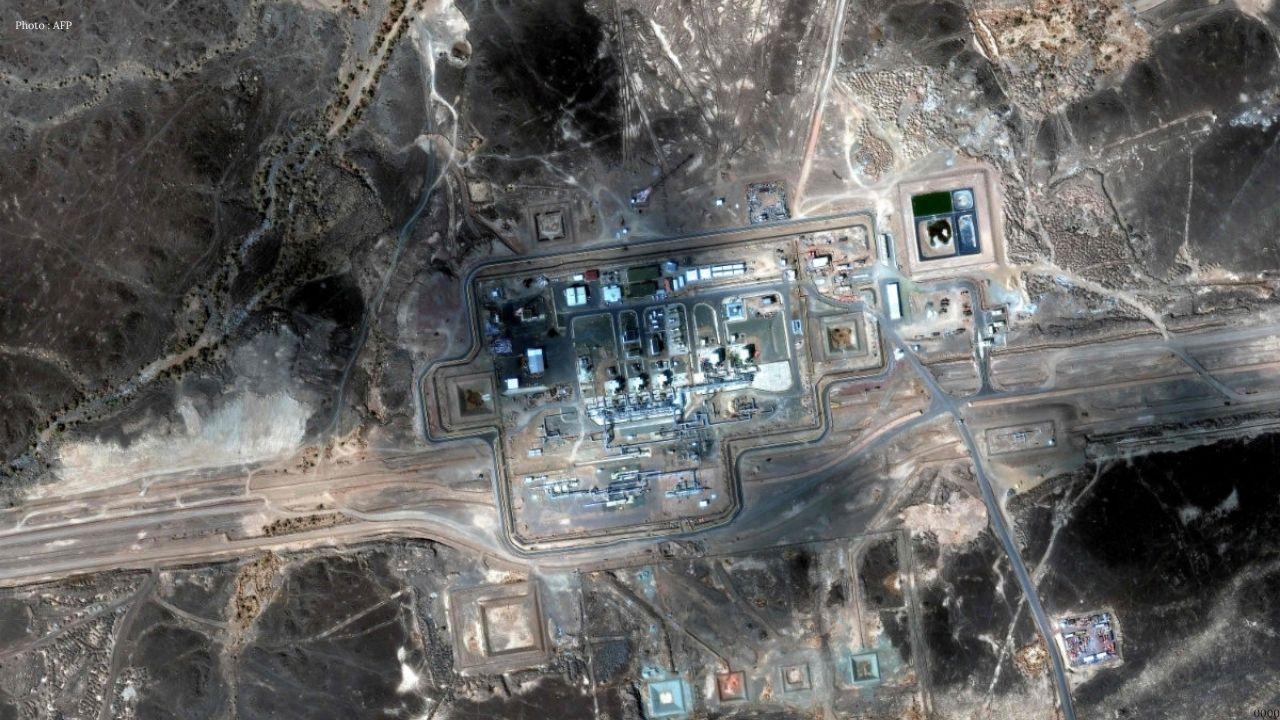
A missile strike has affected energy infrastructure in Russia’s Belgorod region, located near the Ukrainian border, igniting new concerns over security as the conflict escalates.
Authorities have confirmed damage to an energy facility, prompting emergency response teams and technical crews to commence repair operations immediately after the event. Increased surveillance measures are being enacted in surrounding areas to mitigate further disruptions.
Belgorod has been a focal point of tension since the Ukraine conflict intensified, with border areas frequently targeted by drone strikes and artillery fire in recent months.
This incident underscores the vulnerability of energy infrastructure amidst modern warfare. Facilities critical for electricity, fuel, and industrial operations are increasingly viewed as strategic targets due to their essential role in supporting both civilian life and economic activities.
Local officials reported that emergency units reacted swiftly post-attack, sending repair teams to evaluate damage and restore essential services as soon as feasible. Comprehensive reports on the extent of the damage or potential operational impacts have yet to be released.
The event raises broader concerns regarding stability and infrastructure safeguarding in border regions.
Energy facilities play a vital role in supporting transportation, industries, communication systems, and essential public services. Damage to these sites can lead to wide-ranging economic and social challenges, particularly amid military tensions.
Belgorod frequently garners headlines due to its proximity to the conflict zone. Residents have been subjected to recurring security warnings, temporary evacuations, and worries over cross-border incidents.
Russian officials have been enhancing defense strategies in vulnerable border regions, expanding air defenses, surveillance operations, and emergency response units.
The ongoing Russia-Ukraine conflict has increasingly impacted infrastructure across both territories in the past two years. Power facilities, transport networks, and industrial sites have suffered damage during various conflict stages.
Experts suggest that infrastructure-targeting attacks aim to diminish operational capabilities, while simultaneously exerting economic pressure and instilling public uncertainty.
This latest incident could heighten concerns within energy markets, as damage linked to geopolitical strife can undermine investor confidence and disrupt regional economic dynamics.
While this facility is situated within Russian borders, the repercussions of such attacks may have expansive international ramifications. Disruptions in energy supply can influence supply chains, fuel prices, and overall economic conditions across multiple countries.
The situation illustrates how modern conflicts now encompass challenges beyond traditional military engagements. Cyber threats, drone warfare, missile strikes, and strategic targeting of infrastructure are now integral elements of current military strategies.
Civilians residing near conflict zones face prolonged stress and insecurity due to ongoing incidents. Recurrent alerts, detonations, and security measures significantly disrupt daily life for those living in proximity to these volatile areas.
International observers are vigilantly monitoring the developments as active military engagements persist on both sides, with no immediate likelihood of a resolution.
The ongoing war has already triggered substantial humanitarian, economic, and political repercussions throughout Europe and beyond. Attacks on vital infrastructure amplify apprehensions about rising tensions and regional volatility.
Experts assert that safeguarding energy systems will remain a priority for governments directly involved in or affected by this conflict. Reliable electricity and fuel networks are deemed essential for sustaining economic activity, public safety, and essential services during crises.
The Belgorod strike highlights the intricate link between security and infrastructure protection in today's geopolitical landscape.
As repair efforts proceed and officials assess the full ramifications of the incident, continued focus will likely center on border security, defensive measures, and the ongoing threats faced by critical infrastructure associated with the Russia-Ukraine war.


 English