Post by : Bianca
Haleem
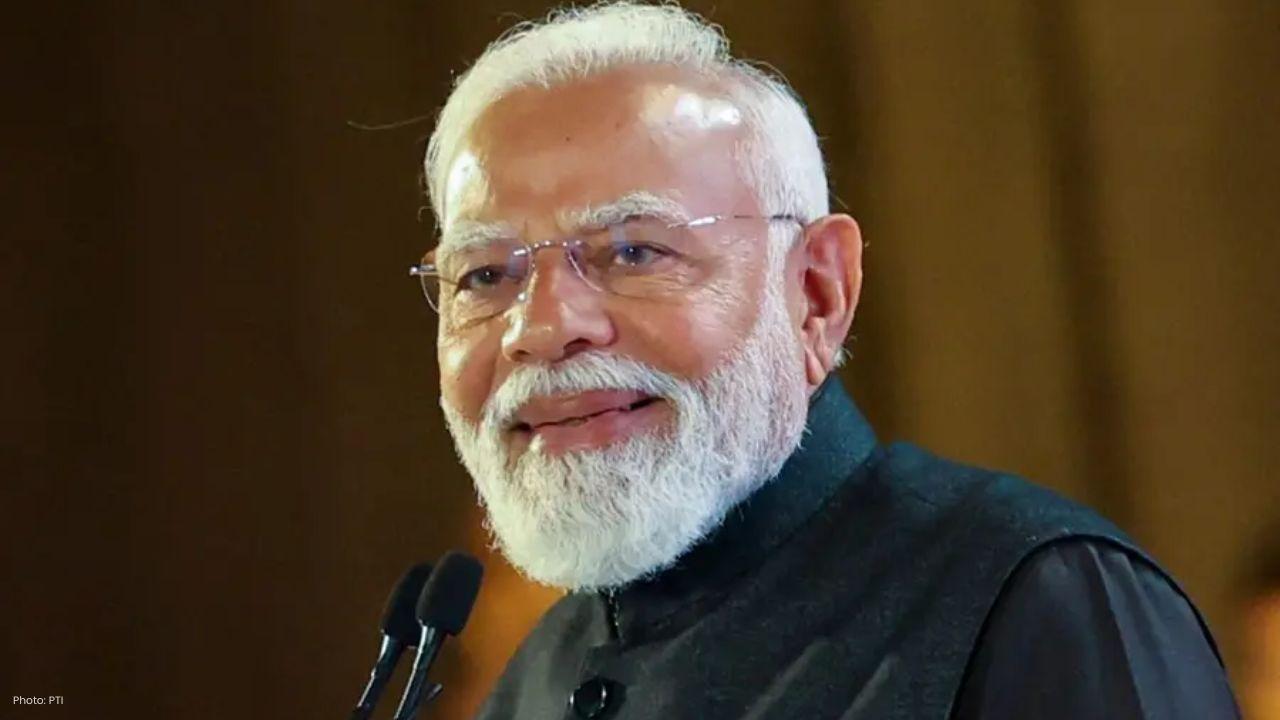
Amid rising tensions and ongoing conflict in West Asia, Prime Minister Narendra Modi held a series of important discussions on Thursday with several global leaders. These included leaders from Qatar, France, Jordan, Oman, and Malaysia.
During these conversations, the Prime Minister expressed serious concern over the worsening situation in West Asia. He strongly condemned the recent attacks on energy infrastructure in the region, warning that such actions could lead to further escalation and instability.
In separate phone calls, Modi emphasised that dialogue and diplomacy are the only effective ways to reduce tensions. He stressed the urgent need to restore peace, security, and stability in the region as soon as possible.
While speaking with the Amir of Qatar, Sheikh Tamim bin Hamad Al Thani, Modi extended Eid greetings and expressed solidarity with Qatar. He also thanked the Qatari leadership for ensuring the safety and well-being of the Indian community living there. The Prime Minister highlighted the importance of maintaining safe and free navigation through the Strait of Hormuz, which is crucial for global energy supplies.
In his conversation with King Abdullah II, Modi again raised concerns about the ongoing conflict. Both leaders agreed that attacks on energy facilities are unacceptable and can worsen the situation. Modi also appreciated Jordan’s efforts in helping stranded Indians return safely during the crisis.
The Prime Minister also spoke with Emmanuel Macron, where both leaders discussed the urgent need for de-escalation. They agreed to continue working closely to promote peace and stability not only in West Asia but globally.
In talks with Sultan Haitham bin Tariq, Modi reiterated India’s strong support for Oman’s sovereignty and territorial integrity. He condemned any violations and appreciated Oman’s role in assisting the safe evacuation of people, including Indian nationals. Both sides again stressed the need for peaceful dialogue.
Modi also held discussions with Anwar Ibrahim. The two leaders exchanged greetings ahead of the festival of Hari Raya Aidilfitri and shared their concerns over the West Asia crisis. They reaffirmed their commitment to resolving the situation through diplomatic means.
The current conflict escalated after military actions involving the United States and Israel against Iran on February 28, followed by retaliatory strikes by Iran on several Gulf countries. Since then, the situation has remained tense, affecting regional stability and global energy markets.
Over the past few weeks, Prime Minister Modi has remained actively engaged with leaders across the region, including Saudi Arabia, Bahrain, the United Arab Emirates, Israel, and Iran. His latest round of calls highlights India’s continued efforts to support peace, ensure regional stability, and protect its citizens abroad.
India has also consistently stressed the importance of keeping key global trade routes, especially the Strait of Hormuz, open and secure, as any disruption could have serious consequences for energy supplies worldwide.


 English