Post by : Saif
Al-Najjar
In the intricate web of global diplomacy, recent developments have underscored the delicate balance nations must maintain between economic interests and strategic alliances. A notable instance is the evolving dynamics between India, the United States, and Russia, particularly concerning India's oil imports from Russia and the subsequent imposition of tariffs by the U.S.
The Tariff Imposition and Its Implications
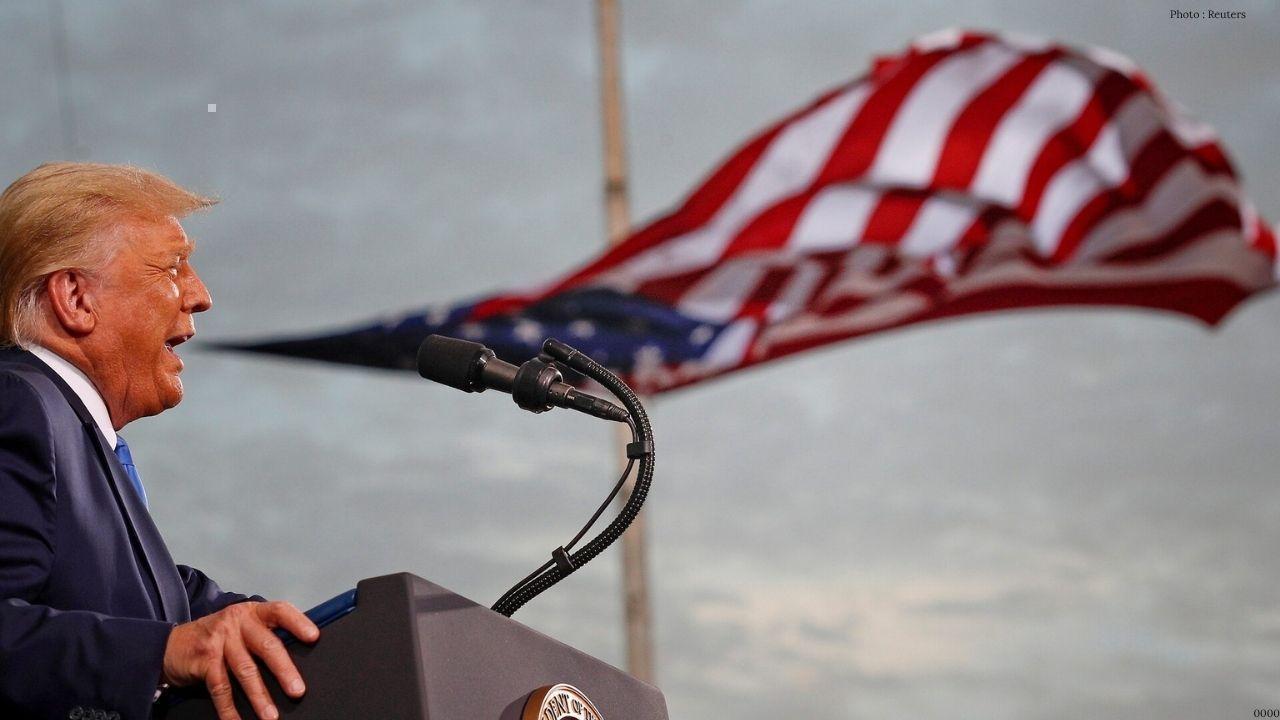
In August 2025, U.S. President Donald Trump imposed a 25% reciprocal tariff on India, citing the nation's continued purchase of Russian oil as a contributing factor to the ongoing conflict in Ukraine. This move was part of a broader strategy to exert economic pressure on countries maintaining trade relations with Russia. President Trump emphasized that such purchases were indirectly funding Russia's military actions, thereby prolonging the war.
The impact of these tariffs has been multifaceted. On one hand, they have strained U.S.-India relations, a partnership that has been pivotal in the Indo-Pacific region. On the other hand, they have inadvertently affected Russia's economy. NATO Secretary-General Mark Rutte remarked that these tariffs have had a significant impact on Moscow, highlighting the interconnectedness of global trade policies and their unintended consequences.
India's Diplomatic Response
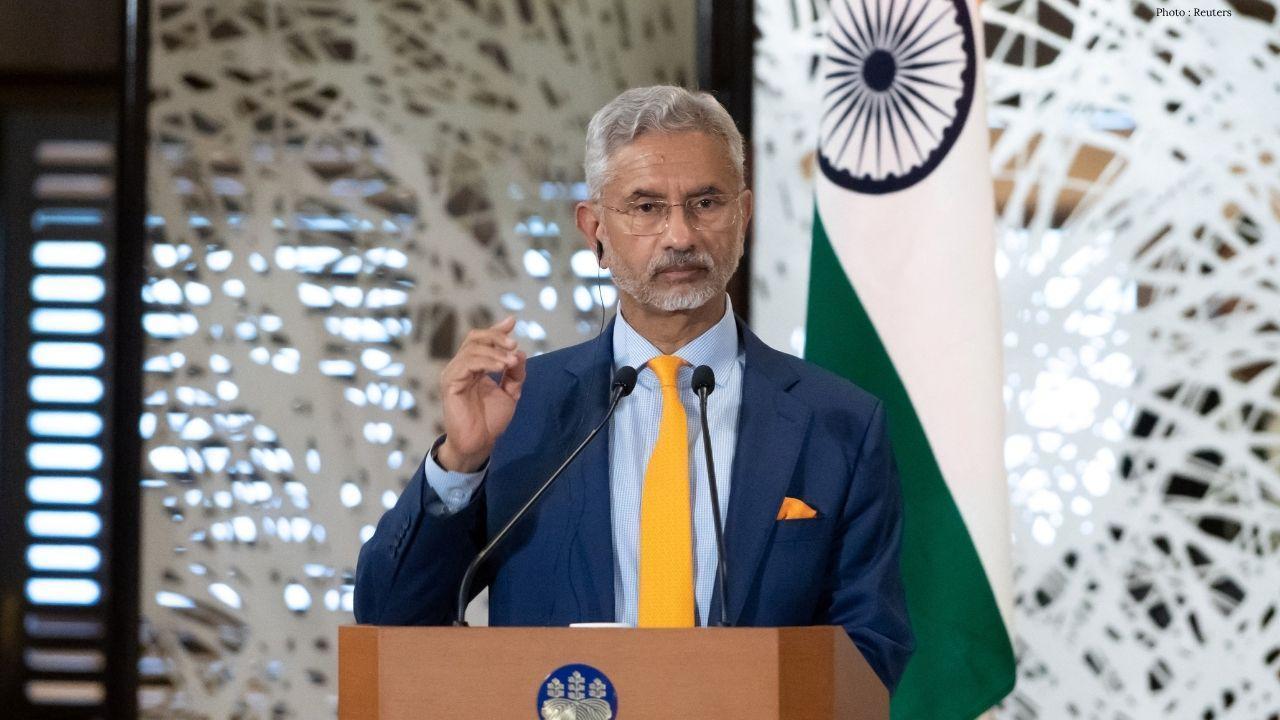
Amidst this geopolitical tension, Indian Prime Minister Narendra Modi has sought clarity from Russian President Vladimir Putin regarding Moscow's strategy in Ukraine. This inquiry reflects India's desire to understand the broader implications of the conflict and its potential impact on global stability. Furthermore, India has reiterated its longstanding relationship with Russia, emphasizing the importance of this partnership in the face of external pressures.
The Role of NATO and Future Prospects
NATO's involvement in this scenario has been characterized by caution. While the alliance has expressed concern over countries engaging in trade with Russia, it has also recognized the complexities involved. The situation underscores the challenges faced by international organizations in navigating the diverse interests of member and partner nations.
Looking ahead, the path to resolution remains uncertain. The interplay between economic sanctions, diplomatic negotiations, and strategic alliances will continue to shape the global landscape. For India, the challenge lies in balancing its economic interests with its strategic objectives, ensuring that its actions contribute to regional stability without compromising its relationships with key partners.
In conclusion, the current geopolitical scenario serves as a reminder of the complexities inherent in international relations. As nations navigate these challenges, the importance of diplomacy, mutual understanding, and strategic foresight cannot be overstated.


 English