Post by : Shweta
The United States Department of Agriculture (USDA) has confirmed the presence of a New World screwworm in a calf located in Texas, heightening alarm regarding animal health and the food supply chain. This finding is significant, as the screwworm is notorious for inflicting extensive damage on livestock and has been one of the most detrimental pests affecting cattle and other animals across the Americas.
Identified during routine checks, the infected calf prompted swift action from authorities, who began investigations and launched measures to curtail potential spread to other animals. Officials noted the crucial importance of early detection in managing outbreaks and safeguarding the livestock sector from possible economic repercussions.
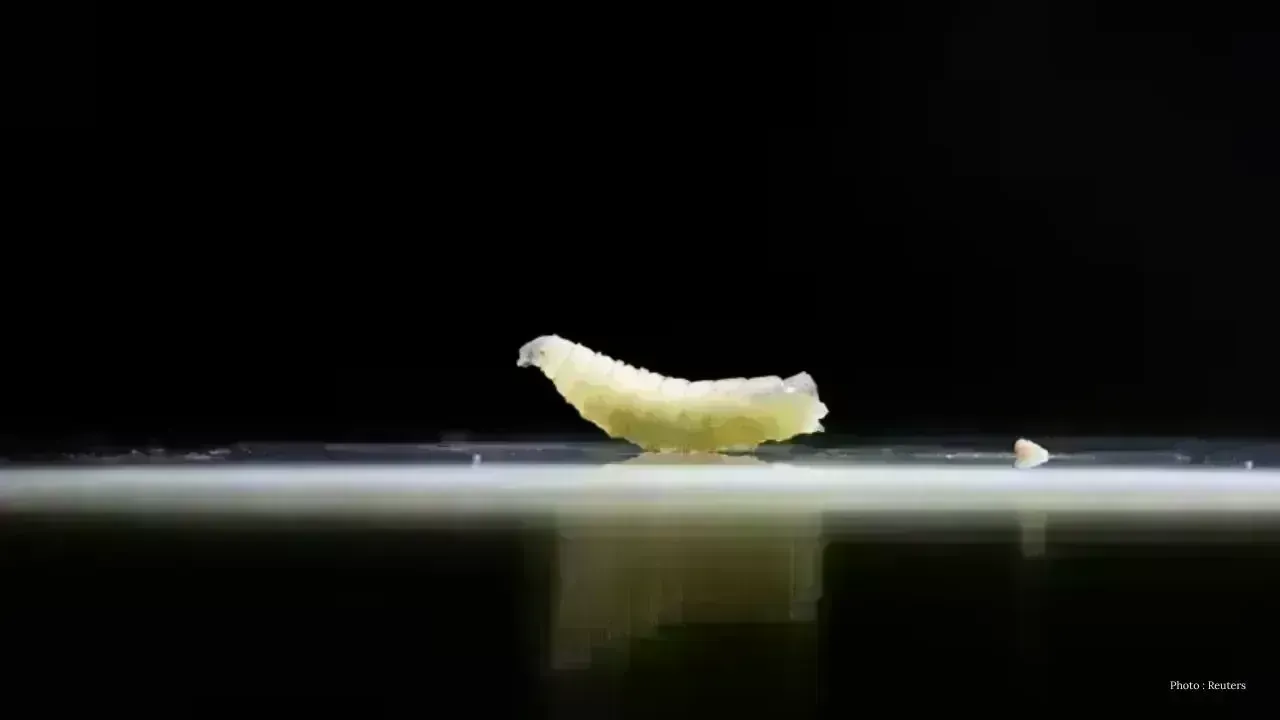
The New World screwworm is a parasitic insect whose larvae consume the living tissues of warm-blooded creatures. Unlike several other fly varieties that lay eggs on decaying tissue, screwworm flies lay theirs in open wounds, where the larvae hatch and begin to eat away at healthy flesh. This can result in excruciating injuries, severe infections, and, if not treated expediently, can be fatal.
Historically, this parasite was prevalent across various regions of North America but was mostly eradicated in the U.S. due to decades of coordinated efforts characterized by the release of sterilized male flies. This campaign is regarded as one of the most successful initiatives in contemporary animal health management.
The recent discovery has reignited worries among farmers, ranchers, and agricultural leaders. Healthy livestock is crucial for meat, dairy, and other agricultural outputs. A major outbreak could lead to soaring veterinary expenses, loss of animals, and disruption of food production. Experts warn that if unchecked, this parasite could cause severe ramifications for cattle operations and the broader livestock industry.
The USDA has clarified that this case does not signify a widespread outbreak. Nonetheless, officials are bolstering surveillance efforts and urging livestock owners to monitor animals for unusual wounds or infection signs. Prompt reporting of potential cases is paramount to minimizing the risk of wider dissemination.
Agricultural stakeholders are collaborating with state agencies, veterinarians, and industry representatives to enhance monitoring initiatives. These collaborative efforts include inspections, lab tests, and educational outreach aimed at helping producers identify and report probable cases effectively. Officials emphasize that cooperation within the agricultural community is vital for effective control.
The incident has drawn attention beyond the livestock sector due to its potential effects on food production. The cattle industry is integral to North American agriculture, contributing significantly to the beef supply for both domestic and international markets. Any threat to livestock health can create economic challenges for producers and disrupt supply chains.
In Canada, experts and border health officials are closely monitoring the situation. Even though the discovery was made in Texas, threats to animal health can affect the broader region. Canadian authorities consistently observe emerging livestock diseases and pests to protect their agricultural sectors and uphold biosecurity measures.
Veterinary experts highlight that modern surveillance systems and rapid-response protocols are essential tools for containing potential outbreaks. Developments in animal health monitoring have enhanced authorities’ capacity to detect threats early and act before they escalate. However, experts urge that relentless vigilance is needed whenever a serious livestock pest is identified.
As of now, the USDA has not imposed major trade restrictions as a result of the recent case and continues to assess ongoing investigations while ramping up monitoring in impacted regions. Regular updates from the agency are anticipated as more information becomes available.
The emergence of the New World screwworm in a Texas calf highlights the persistent challenges related to animal health and agricultural security. Although authorities believe the situation has been promptly addressed, continued monitoring and collaboration among farmers, veterinarians, and government entities will be crucial in preventing further spread.


 English