Post by : Saif
Al-Najjar
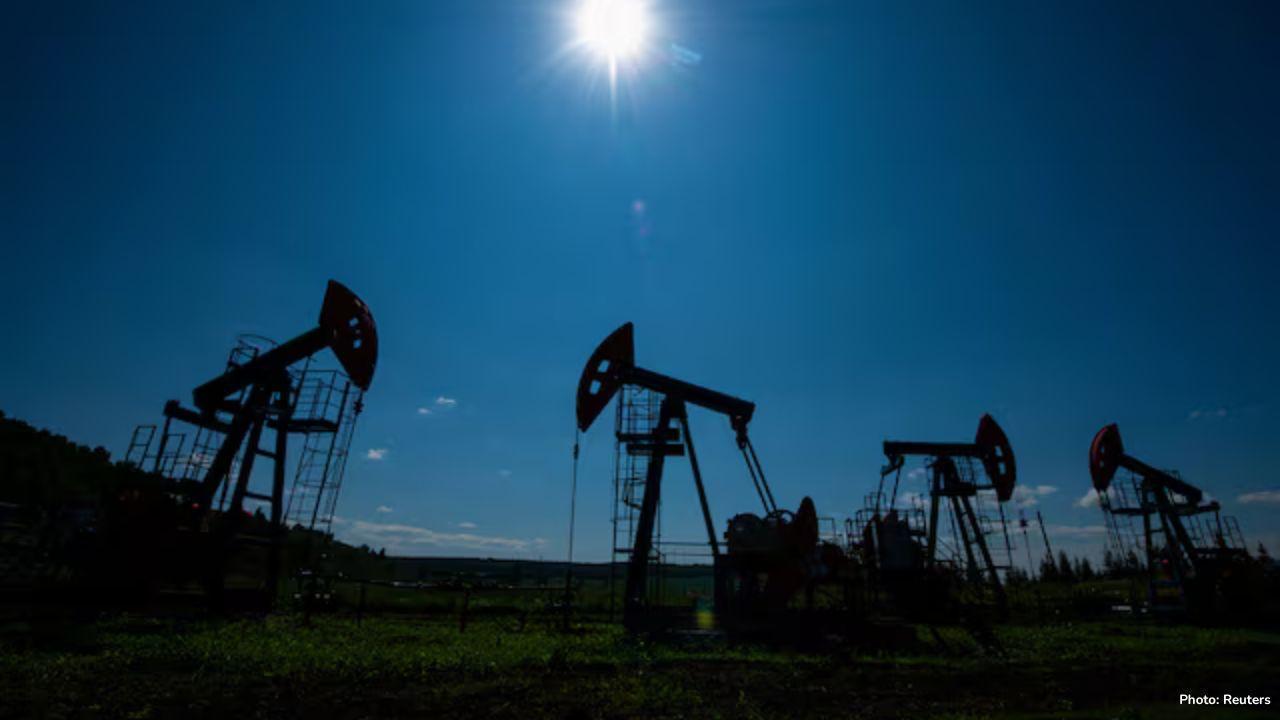
Oil prices climbed on Thursday after falling for three straight days, as investors reacted to the possibility of tighter sanctions on Russian crude and signs of rising global demand. The recent gains followed losses caused by oversupply concerns and falling demand in major markets.
Brent crude futures, the international benchmark, rose by 37 cents to $65.72 per barrel, while U.S. West Texas Intermediate (WTI) crude gained 34 cents, reaching $62.12 per barrel. These modest gains reflect a mix of technical recovery and growing geopolitical risks.
Why Oil Fell Earlier
In the previous three sessions, oil prices dropped due to fears of oversupply. Both Brent and WTI reached their lowest levels in months: Brent closed at its lowest since June 5, and WTI reached its lowest since May 30. Analysts said falling demand from the United States and Asia contributed to this decline.
The U.S. Energy Information Administration (EIA) reported that last week, crude oil, gasoline, and distillate inventories increased as refining activity and demand slowed. U.S. crude inventories rose by 1.8 million barrels to 416.5 million barrels, higher than the expected 1 million-barrel rise.
Sanctions Fears Boost Oil
Oil prices recovered slightly due to concerns about tighter sanctions on Russia. The Group of Seven (G7) finance ministers announced plans to pressure Russia by targeting buyers who continue to import Russian oil and those helping bypass sanctions.
In addition, the U.S. will provide Ukraine with intelligence for long-range missile strikes on Russian energy infrastructure. This may allow Ukraine to hit refineries, pipelines, and other facilities, aiming to reduce Russia’s oil revenue.
Hiroyuki Kikukawa, chief strategist at Nissan Securities Investment, said: “Buying interest emerged as WTI neared its $60 support level, while heightened geopolitical risks and speculation about tighter sanctions on Russian crude also lent support.”
Demand From China
China, the world’s largest crude oil importer, also supported oil prices by stockpiling crude. Increased buying in China helped prevent a deeper fall in prices, showing that global demand remains a key factor in stabilizing the market.
OPEC+ Production Plans
Despite rising prices, expectations of higher output by OPEC+—the Organization of the Petroleum Exporting Countries and allied producers—limited gains. Sources familiar with OPEC+ talks said the group may raise production by up to 500,000 barrels per day in November, triple the increase made for October.
Saudi Arabia, a leading member of OPEC, wants to reclaim market share by increasing output. However, this comes as demand from the U.S. and Asia is expected to slow, which could balance or even lower prices in the future.
Political Factors in the U.S.
The U.S. government shutdown added another layer of uncertainty to global markets. President Donald Trump’s administration froze $26 billion for Democratic-leaning states, demonstrating how political decisions can affect both domestic and international markets.
The shutdown not only affects government operations but also raises concerns about the economy and energy policy. Market watchers are carefully monitoring these developments, as political instability can influence oil prices indirectly through investor confidence and demand expectations.
The Bigger Picture
The rise and fall of oil prices this week show how sensitive global markets are to both supply and political events. On one side, potential sanctions on Russia and increased stockpiling in China push prices higher. On the other side, oversupply worries, higher OPEC+ output, and weaker U.S. demand act as downward pressure.
Oil markets are closely tied to global stability. Geopolitical conflicts, government shutdowns, and production decisions all have immediate effects on energy prices. Investors, countries, and businesses depend on a careful balance between supply and demand to keep markets steady.


 English