Post by : Mariam
Al-Faris
Oman has made significant progress in using renewable energy for electricity production. As of May, renewable energy now accounts for 11.5% of the country’s total electricity. This is part of Oman’s national strategy to increase the share of clean energy in its power generation. The government has set ambitious targets to reach 30% renewable energy by 2030 and 60% by 2040. These targets show Oman’s commitment to a cleaner, more sustainable future and its efforts to reduce dependence on traditional fossil fuels.
Government’s Focus on Clean Energy
The Directorate General of Renewable Energy and Hydrogen, part of Oman’s Ministry of Energy and Minerals, highlighted the rapid growth of renewable energy in recent years. The country has launched several major projects in solar and wind energy, which are helping Oman transition toward cleaner sources of power. The government’s focus is not only on generating electricity but also on reducing harmful emissions and protecting the environment. This approach ensures that the nation’s energy system becomes more sustainable while supporting economic development.
Key Solar and Wind Projects
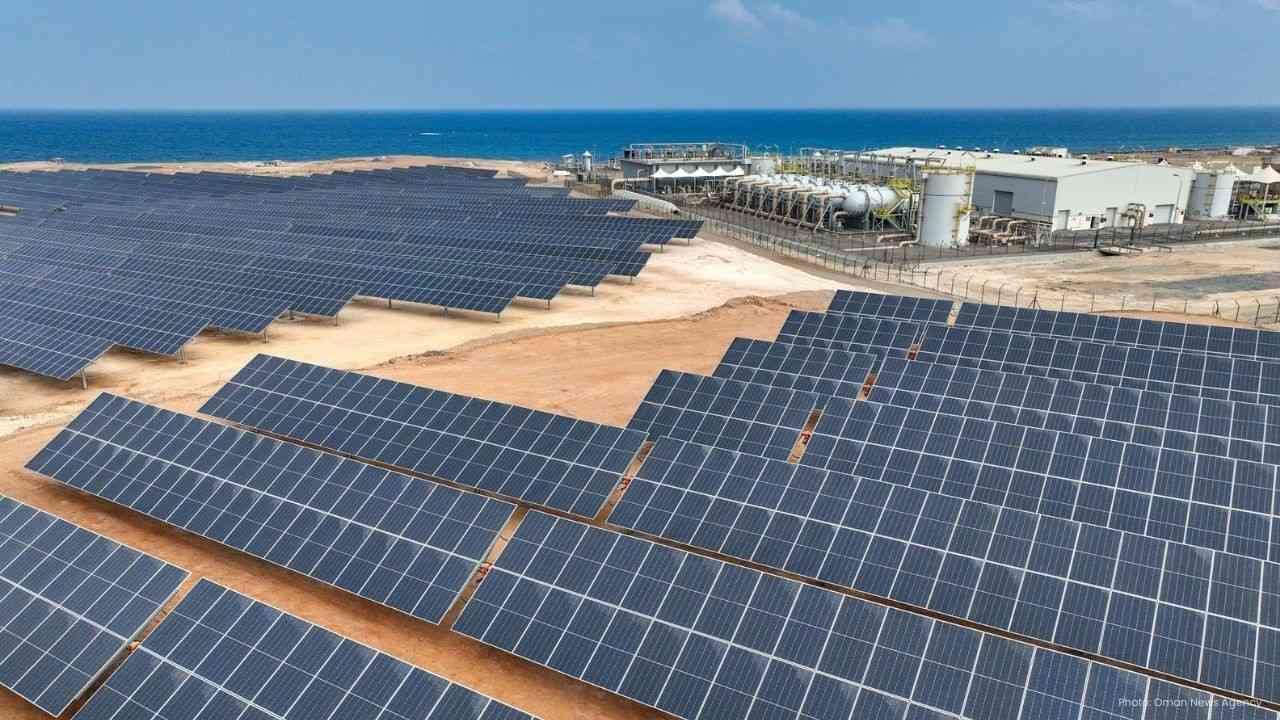
Several important renewable energy projects have already been launched in Oman. The Dhofar 1 Wind Farm, Ibri 2 Solar Plant, and Manah 1 and Manah 2 Solar Plants are among the main projects currently contributing to the country’s electricity supply. These projects produce clean energy and help Oman diversify its energy sources. They also create employment opportunities for local communities and contribute to economic growth, while aligning with national strategies to reduce carbon emissions and preserve natural resources.
Upcoming Large-Scale Projects
Oman plans to start additional large-scale renewable energy projects this year. The 500-megawatt Ibri 3 Solar Plant, the 100-megawatt Jalan Bani Bu Ali Wind Farm, and the 120-megawatt Dhofar 2 Wind Farm are expected to be awarded contracts soon. These projects will add significant renewable energy capacity to Oman’s electricity network, further supporting the country’s clean energy targets. By increasing the share of renewable energy in the national grid, Oman is taking important steps toward a more sustainable and environmentally friendly energy system.
Future Renewable Energy Plans
Several other renewable energy projects are in the planning or implementation stages. These include the 90-megawatt Sadah Wind Farm, the 300–400-megawatt Mahout 1 and Mahout 2 Wind Farms, a 280-megawatt Al Kamil Solar Plant, and a 220-megawatt solar energy project. Once completed, these projects will significantly expand Oman’s renewable energy capacity. They will help reduce reliance on oil and gas for electricity production and contribute to long-term sustainability goals.
Economic Benefits of Renewable Energy
Investing in renewable energy brings many benefits to Oman’s economy. Renewable projects diversify energy sources, ensuring a more stable and reliable electricity supply. They also attract local and international investments, creating new business opportunities and boosting economic growth. The construction and operation of renewable energy projects provide jobs and support local communities. In the long term, these projects help Oman reduce energy costs and increase energy efficiency.
Environmental Advantages
Renewable energy projects in Oman play a key role in environmental protection. By using solar and wind energy, the country reduces harmful greenhouse gas emissions and air pollution. This helps combat climate change and protects natural resources. Renewable energy is a clean source of electricity, which means less harm to the environment compared to fossil fuels. Oman’s commitment to renewable energy shows that the country is serious about protecting the planet while meeting its electricity needs.
Supporting National Sustainability Goals
Oman’s renewable energy expansion is part of a broader national sustainability strategy. The country aims to develop a more sustainable energy system that balances economic growth, environmental protection, and social development. Renewable energy projects support these goals by providing clean power, creating jobs, and encouraging innovation in the energy sector. Achieving the target of 30% renewable energy by 2030 will also strengthen Oman’s position as a regional leader in sustainable energy practices.
Impact on Local Communities
Renewable energy projects benefit local communities in many ways. They create employment during construction and operation, improve access to clean electricity, and support local businesses through contracts and services. These projects also raise awareness about the importance of renewable energy and environmental sustainability. By involving local communities in energy projects, Oman ensures that the benefits of renewable energy are shared widely and contribute to social development.
Long-Term Energy Security
Expanding renewable energy strengthens Oman’s long-term energy security. By diversifying its energy sources, the country reduces dependence on oil and gas, which are subject to price fluctuations and global supply risks. Renewable energy provides a reliable and consistent supply of electricity, helping to stabilize the national grid. This ensures that Oman can meet growing electricity demand in the coming years while maintaining environmental standards and sustainability.
Strategic Vision for 2040
Oman has a clear long-term vision for renewable energy. The goal of achieving 60% renewable energy by 2040 reflects the country’s commitment to clean energy, economic diversification, and environmental protection. This vision guides the planning and development of future projects, ensuring that Oman continues to invest in sustainable energy solutions. It also positions Oman as a forward-thinking nation that prioritizes green energy and long-term sustainability.
A Cleaner Future for Oman
Oman’s renewable energy sector is growing steadily through solar and wind projects across the country. These initiatives support economic diversification, environmental protection, and sustainable development. With ambitious targets for 2030 and 2040, Oman is making significant progress toward a cleaner, greener, and more sustainable energy future. Renewable energy is no longer just a part of Oman’s electricity mix; it is a key driver of the nation’s economic growth, environmental responsibility, and long-term energy security.


 English