Post by : Anis
Al-Rashid
Women’s Health: From Silence to Spotlight
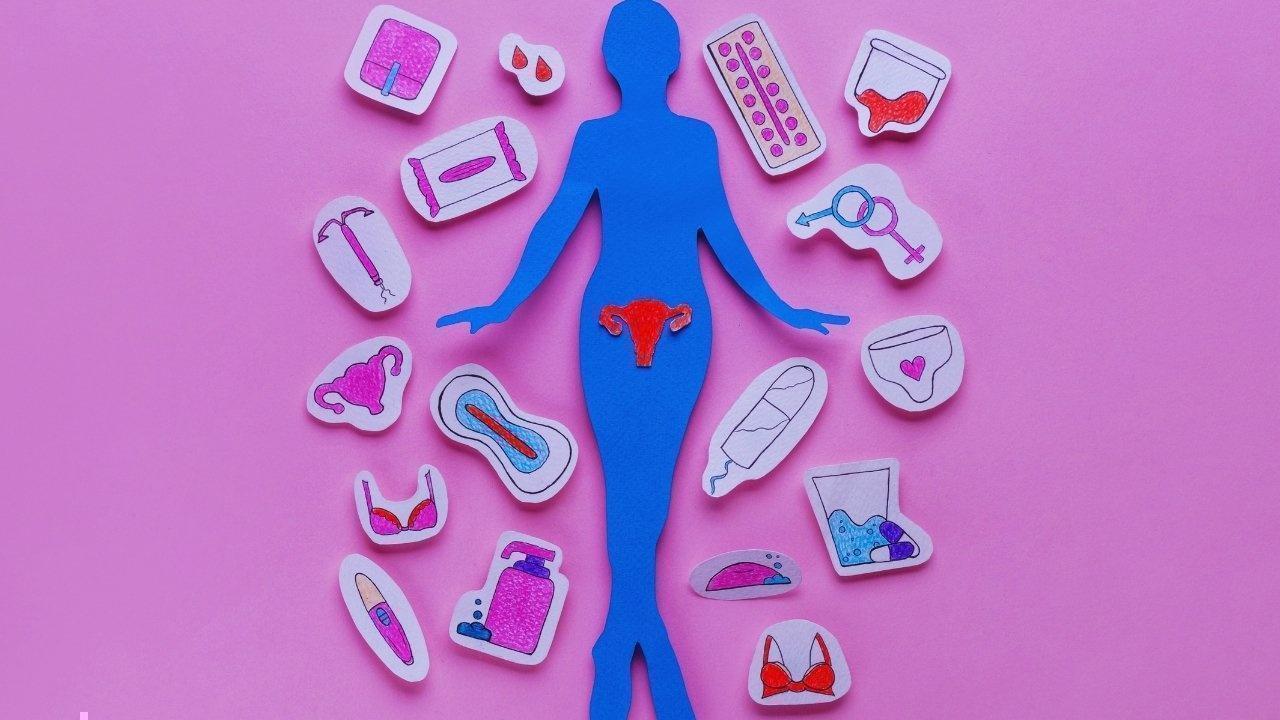
For years, menstruation and menopause received limited attention in public health conversations. That is changing: these issues are now discussed openly and addressed through coordinated medical, technological and policy responses that treat them as core elements of women’s health.
In 2025 the focus has shifted from awareness to practical solutions. Improved testing, digital monitoring and a broader range of treatment options are helping women better understand and manage their reproductive transitions.
FemTech and Digital Solutions Expand
The FemTech sector is a major driver of change, producing devices and applications tailored to female biology. From connected menstrual products to algorithm-based cycle predictors, these tools provide personalised insights and support clinical decision-making.
Modern apps now analyse patterns to forecast hormonal shifts, symptom peaks and fertility windows, while integrating sleep, nutrition and mood data to offer usable health guidance.
Menopause Moves into Mainstream Care
Menopause is increasingly treated as a defined stage requiring active management rather than a private burden. New HRT options and non-hormonal treatments aim to reduce symptoms with attention to safety and individual needs.
Employers and insurers are beginning to recognise menopause as part of workplace health programs, offering adjustments, counselling and coverage that reflect its impact on daily life and productivity.
Hormone Balance at the Core
Hormonal monitoring is central to both menstrual and menopausal care. Non-invasive tests and routine hormone panels let clinicians tailor interventions to the individual rather than relying on standardised regimens.
Personalised hormone therapies and bioidentical formulations are being used more often to address symptoms such as fatigue, cognitive changes and weight shifts with targeted dosing informed by lab results.
Diet and Lifestyle Support Hormonal Health
Nutrition and exercise guidance are being matched to hormonal phases. Practices like cycle-aware nutrition and phase-specific training help manage energy, inflammation and recovery across the menstrual cycle.
For menopause, dietary strategies that support bone and heart health—along with stress-reduction practices such as meditation and yoga—are recommended to maintain overall wellness.
Challenging Cultural Barriers
Although stigma persists in some communities, public education and advocacy campaigns are narrowing information gaps. School curricula and national initiatives in several countries now include basic reproductive health education and access to sanitary supplies.
Open discussion in media and workplaces is slowly normalising conversations about periods and menopause, encouraging more women to seek care and accommodations when needed.
Emotional and Psychological Care
Recognising the psychological impact of hormonal transitions, mental health services are increasingly integrated into reproductive care. Targeted therapy and stress-management programs are now common components of treatment plans.
This broader approach recognises that symptom management includes both physical interventions and mental health support to improve daily functioning and quality of life.
Workplace Policies and Benefits
Organisations are adapting to the needs of female employees by offering flexible schedules, targeted leave policies and telehealth access. Some countries and companies have already implemented menstrual leave and menopause support as part of employee benefits.
Insurance coverage is also expanding to include fertility, hormonal therapies and menopause-related care, moving toward greater parity in health benefits.
AI and Predictive Diagnostics
Data analytics and wearables are improving early detection of menstrual irregularities and menopausal onset. Predictive models can flag deviations and support earlier medical review for conditions like PCOS and endometriosis.
Future tools may offer personalised, real-time guidance and help reduce diagnostic delays that historically affected women’s reproductive health outcomes.
Education and Public Awareness
Education remains a key factor in improving outcomes. Public campaigns, healthcare messaging and online resources are making evidence-based information more widely available, enabling informed choices about treatment and self-care.
Greater transparency and accessible information help ensure that prevention, diagnosis and treatment are within reach for more women.
Reframing Periods and Menopause
Perceptions are shifting from viewing menstrual cycles and menopause as problems to recognizing them as normal life phases requiring tailored care. Movements promoting menstrual equity and menopause awareness are encouraging policy and social change.
Women are increasingly adopting tools and services that prioritise their biological needs, reframing these stages as aspects of lifelong health rather than limitations.
Outlook for Women’s Wellness
Looking ahead, the combination of improved diagnostics, targeted therapies and supportive policies is expected to expand care options and market growth. Investment in women’s health is likely to continue as demand for personalised solutions rises.
By 2030 the sector is forecast to grow substantially, reflecting a sustained shift toward treating women’s health as a core part of public and private healthcare agendas.
Disclaimer
This article is provided for informational purposes and does not replace personalised medical advice. Readers with menstrual or menopausal concerns should consult a qualified healthcare professional.


 English