Post by : Anis
Al-Rashid
Magh Mela: A Vibrant Tradition in Prayagraj
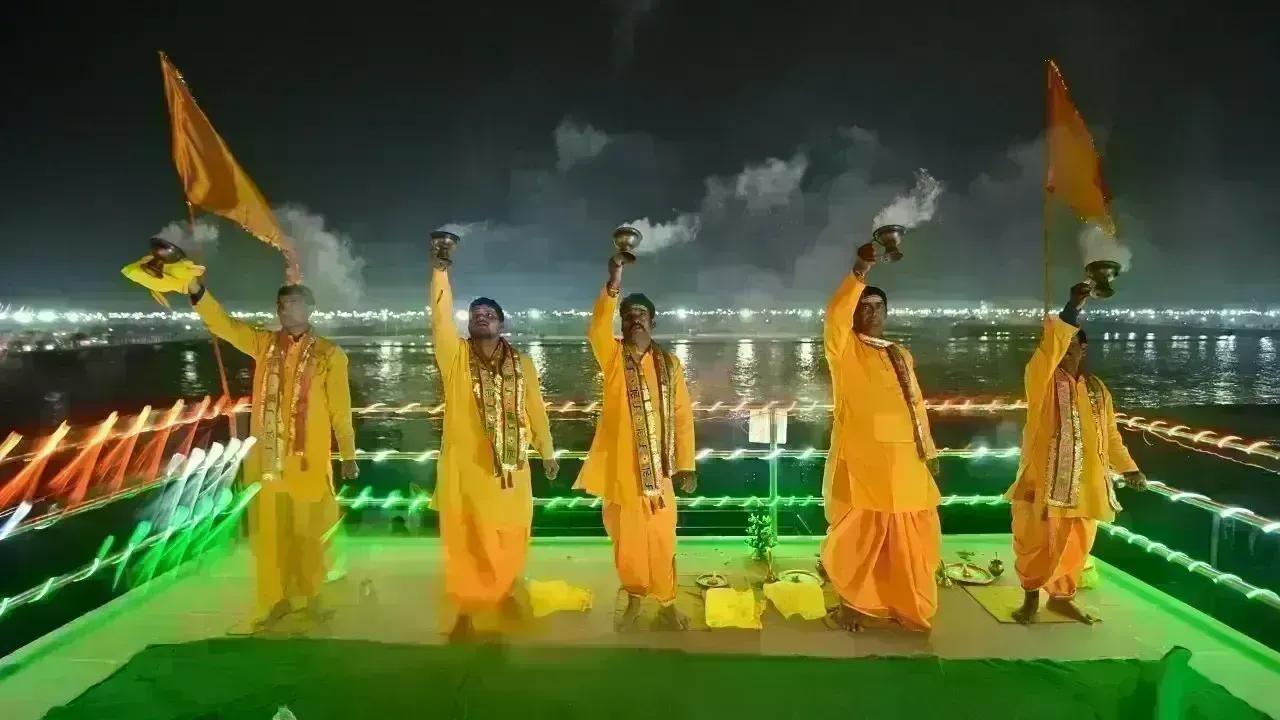
Magh Mela transcends mere religious observance; it embodies a living tradition that emerges annually on the sacred banks of the Ganga, Yamuna, and mythologized Saraswati rivers. For generations, pilgrims, traders, and spiritual seekers converge on this confluence during the month of Magh to rejuvenate faith and cleanse their spirits.
In 2026, this historic event is poised to establish Prayagraj as a central hub of devotion once again. From morning prayers at the riverbanks to flickering oil lamps at night, the Mela intertwines ancient rituals with modern organizational frameworks. Much like cities in the GCC that harmonize tradition with advanced infrastructure, Magh Mela preserves its spiritual essence while promoting order and safety. Visitors arrive with few belongings but carry significant hopes for peace and communal harmony.
Significant Dates for 2026
The Magh Mela calendar features important bathing days—snans—rooted in the Hindu lunar calendar. Though religious authorities will release the final itinerary soon, the foundational schedule remains intact.
Key dates include Makar Sankranti, Mauni Amavasya, Basant Panchami, Maghi Purnima, and Maha Shivratri, expected to fall between January and February. These days typically attract large crowds, paralleling some of the grandest religious gatherings seen in the region.
Distinct Spiritual Significance
Each snan holds unique spiritual value. Makar Sankranti signals a solar transition, while Basant Panchami represents renewal. Mauni Amavasya, a highlight, is marked by silence and introspection as devotees enter the river. Such contemplative practices resonate with structured spiritual retreats prevalent in parts of the Gulf.
Leveraging Global Crowd Management Practices
Administering millions of visitors requires robust strategies. For Magh Mela 2026, local authorities have analyzed crowd management techniques from global cities like Dubai, Riyadh, and Doha, known for hosting grand events.
Inspired by these frameworks, Prayagraj's administration plans to set up facilities, including temporary police stations, emergency healthcare units, and centralized control rooms, ensuring a secure and organized spiritual experience.
Embracing Technology for Effective Management
Technology will play a pivotal role in the 2026 festival. Mobile apps, QR-based registration, and online systems will facilitate crowd navigation. Echoing Dubai's smart governance models, Magh Mela will seamlessly integrate digital solutions within a culturally rich context.
Exploring Spiritual Geography: Akharas and Camps
The expansive Magh Mela area is segmented into akharas, each establishing detailed encampments that serve as hubs of spiritual discourse and discipline. Streets named in honor of esteemed saints evolve into arenas for philosophical dialogue.
Prominent akharas like Juna, Niranjani, Awahan, and Naya Udasin will return, extending their influence to the global Hindu community across the Gulf.
Life within the Akhara Camps
Daily rituals within these camps revolve around yajna, katha, and communal meals, fostering an intense environment that parallels the vibrant talent pools of Gulf tech and finance sectors. Many seekers will opt to live in bamboo huts for a month, forming a temporary city based on discipline.
Projected Attendance and Global Involvement
Initial forecasts suggest that up to 15 lakh pilgrims may visit Magh Mela 2026 throughout its duration, with a significant number expected to be overseas Indians residing in the Gulf nations.
As financial markets assess potential outcomes, spiritual scholars emphasize the merits of completing kalpwas, a disciplined month-long stay undertaken by devout attendees.
The Discipline of Kalpwas
Kalpwas involves fundamental living practices such as sleeping on bare ground, rationing meals, and adhering to strict rituals—a lifestyle echoing the disciplined living espoused in several Gulf spiritual communities. The Mauni Amavasya of 2026 may witness the largest bathing congregation in Mela history.
Transportation and Infrastructure for 2026
Inspired by Dubai's aviation model, transportation to Magh Mela 2026 will pivot on railway systems, state buses, and optimized roadways.
Dedicated Train Services and Bus Networks
Numerous special trains are anticipated to connect major Indian cities like Delhi, Mumbai, and Chennai with Prayagraj. Dedicated helplines will provide real-time updates to ensure smooth travel for pilgrims.
Innovative Parking Solutions
Strategic parking zones and color-coded routes inspired by Gulf infrastructure development will minimize traffic congestion. Collaboration with airlines servicing the Gulf will offer cost-effective travel for expatriates.
Ensuring Safety, Order, and Preparedness
The enormous scale of Magh Mela places immense demands on security and medical services. For 2026, teams are preparing for potential emergencies, including financial and critical healthcare responses.
Reuniting Families and Addressing Distress
Digital kiosks and centralized data systems will aid in reuniting families during peak attendance, reducing anxiety for attendees who lose loved ones.
Public Health and Sanitation Initiatives
Aligned with increasing health awareness trends in the Gulf, Magh Mela 2026 will implement comprehensive public health protocols, including temporary clinics and sanitation facilities.
Food Safety and Community Nourishment
Community kitchens will offer meals to millions, with dedicated teams ensuring food safety standards to maintain hygiene across large-scale feeding operations.
Religious Tourism and Community Links Across the Gulf
Religious tourism thrives in the Middle East, and for many overseas Indians, Magh Mela 2026 signifies a heartfelt return home, comparable to other global cultural events.
Artistic Collaborations Beyond Borders
Art exhibitions linked to river heritage in Dubai and Abu Dhabi and livestreaming by Gulf-based creators will enhance the global reach of rituals and discussions.
Learning from Sacred Management: Prayagraj, Mecca, and Neom
Like major religious centers globally, Magh Mela 2026 draws on lessons from pilgrimage management, balancing structure with spirituality.
Weather Considerations and Water Conditions for 2026
Expectations of colder winter conditions may enhance river levels but also present challenges like fog. Contingency strategies will address potential weather disruptions.
Health Strategies for Cold Weather
Shelters and medical assistance will be prepared to manage the health needs of attendees during chilly periods, taking cues from countries adept at handling extreme weather.
Traders and the Dynamic Marketplace
The Mela encompasses a bustling marketplace with books, artifacts, and daily necessities. Financial institutions will offer services tailored for pilgrims.
Educational Dialogues and Modern Discussions
Aside from spiritual practices, Magh Mela 2026 will facilitate discussions on technology and ethics, grounding complex topics in relatable language.
Community Dynamics at Magh Mela 2026
The Mela is a test of communal discipline, fostering teamwork, patience, and unity among participants, turning acquaintances into a family.
Media Management and Global Outreach
A media coordination hub will handle coverage, focusing on personal stories rather than mere reporting to convey the human experience.
What Society Can Learn from Pilgrims
Similar to market cycles, Magh Mela instills lessons on restraint, balance, and foresight—values crucial in today’s fast-paced urban landscape.
Conclusion: Faith Unfolding in 2026
Magh Mela 2026 is set to showcase the capability of spiritual gatherings to rival the world’s grandest events. For Dubai and the broader Gulf, it serves as a compelling reminder of the enduring power of community, reflection, and discipline amidst rapid change.
Disclaimer
This article serves informational purposes and is not meant as an official notice. Details regarding dates and arrangements may be subject to change; readers are encouraged to confirm through official channels before planning their visit.


 English