Post by : Saif
Al-Najjar
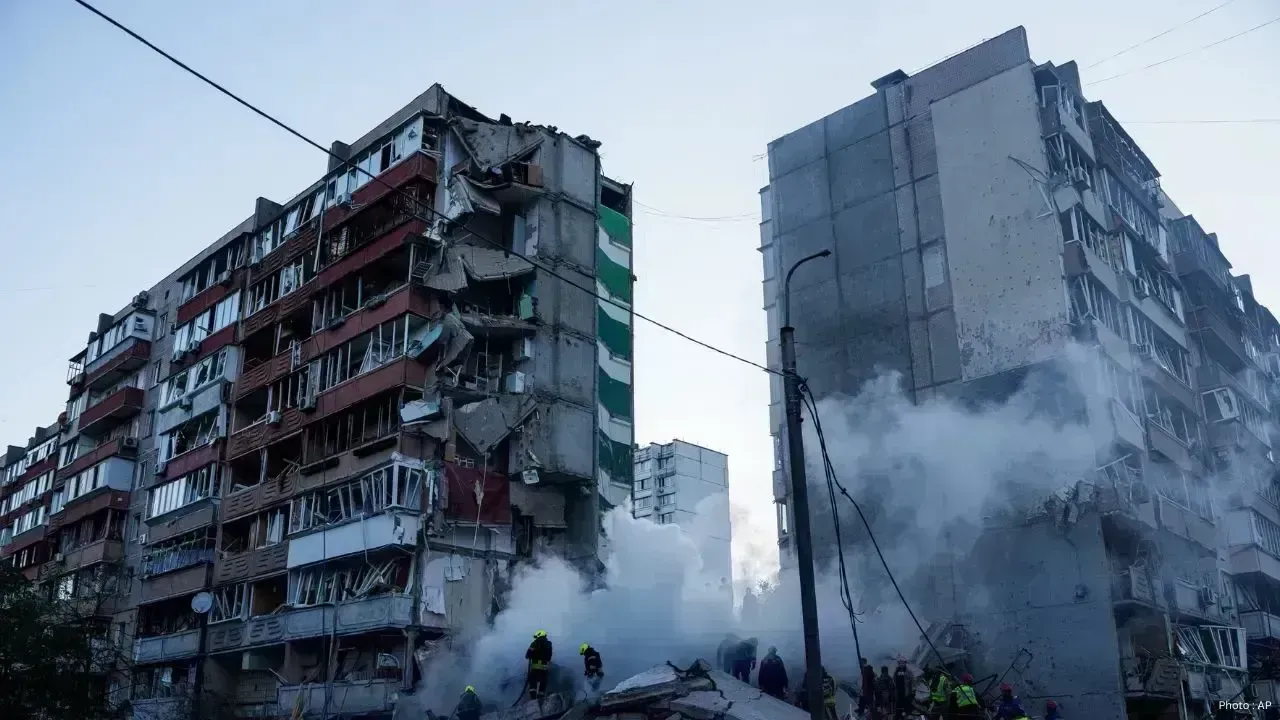
In an alarming new wave of violence, Russia has executed a significant attack on Ukraine’s capital, Kyiv, marking a continuation of the brutal war that has persisted for over four years. The assault triggered loud explosions throughout the city, damaging numerous structures and compelling citizens to seek refuge in shelters overnight.
Ukrainian officials report that the latest wave saw the use of drones and missiles targeting several regions. Air defense systems were activated as authorities worked to counter the incoming threats, with residents expressing distress over the sounds of explosions and sirens that echoed for hours.
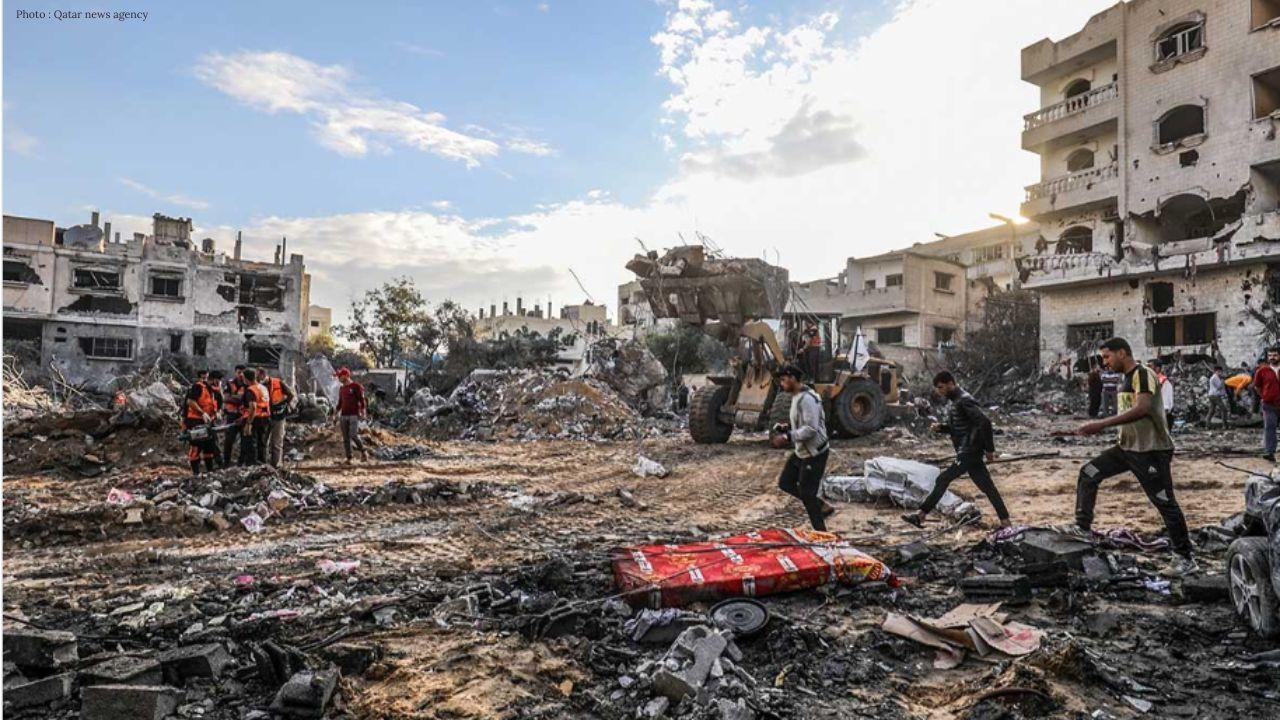
Emergency response teams were deployed across the city following the outbreak of fires in both residential and commercial districts. Reports of injuries surfaced, while an array of buildings, vehicles, and essential infrastructure sustained considerable damage.
This attack further illustrates the ongoing plight of civilians caught in the crossfire of the Russia-Ukraine conflict, as significant urban centers like Kyiv remain vulnerable to aerial assaults, even after prolonged periods of hostility.
The Ukrainian government has vehemently condemned these attacks, accusing Russia of deliberately targeting civilian zones. Ukrainian leadership has continued to urge for heightened international military support to bolster the nation's defensive capabilities.
In response, Russia maintains that its military actions are justified by existential security concerns and regional strategic goals. Moscow has consistently asserted that its operations are aimed at military objectives; however, Ukrainian sources indicate that civilian infrastructure is frequently caught in the crossfire.
This enduring conflict has already led to thousands of casualties and has displaced millions, leaving the country's economy and infrastructure severely compromised. Numerous regions face power deficiencies, disrupted transportation systems, and ongoing challenges in reconstruction.
The impact of the conflict extends globally, placing pressure on food prices, fuel markets, and international trade, given both Russia and Ukraine’s significant roles in energy and agricultural exports.
While world leaders persist in their calls for peace, diplomatic resolutions remain elusive with many nations expressing concerns about potential escalation and long-term instability across Europe and surrounding areas.
Experts note that Russia has intensified its drone and missile operations in recent months to undermine Ukraine’s defenses and exert pressure on the government. Conversely, Ukraine is enhancing its air defense capabilities, supported by its Western allies.
For residents of Kyiv and other cities within Ukraine, the reality remains grim, with daily life fraught with uncertainty. Families continue to endure nights in shelters, while educational institutions, hospitals, and businesses navigate the ever-present threat of conflict.


 English