Post by : Mariam
Al-Faris
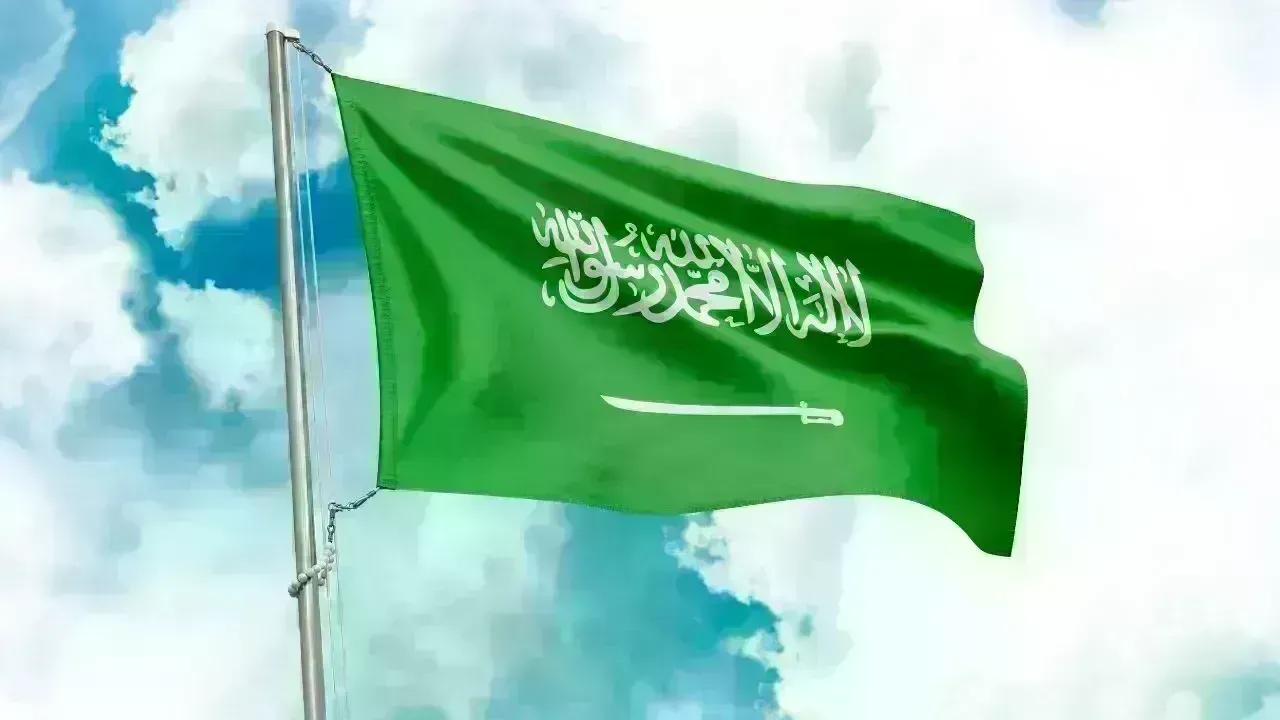
Saudi Arabia has introduced a new proposal to create one clear set of rules for how employees should dress and behave at work. The Ministry of Human Resources and Social Development has released a draft “Code of Appearance and Conduct,” and it is now open for public feedback. If approved, these rules will be applied across government offices, private companies and non-profit organisations throughout the country.
The aim of this proposed code is to build a more professional, organised and consistent workplace environment. The Ministry wants to strengthen national identity, ensure employees present themselves properly and reduce confusion about what is acceptable at work. Unlike past guidelines, which were general, the new proposal provides clear details for how different groups of employees should dress and conduct themselves.
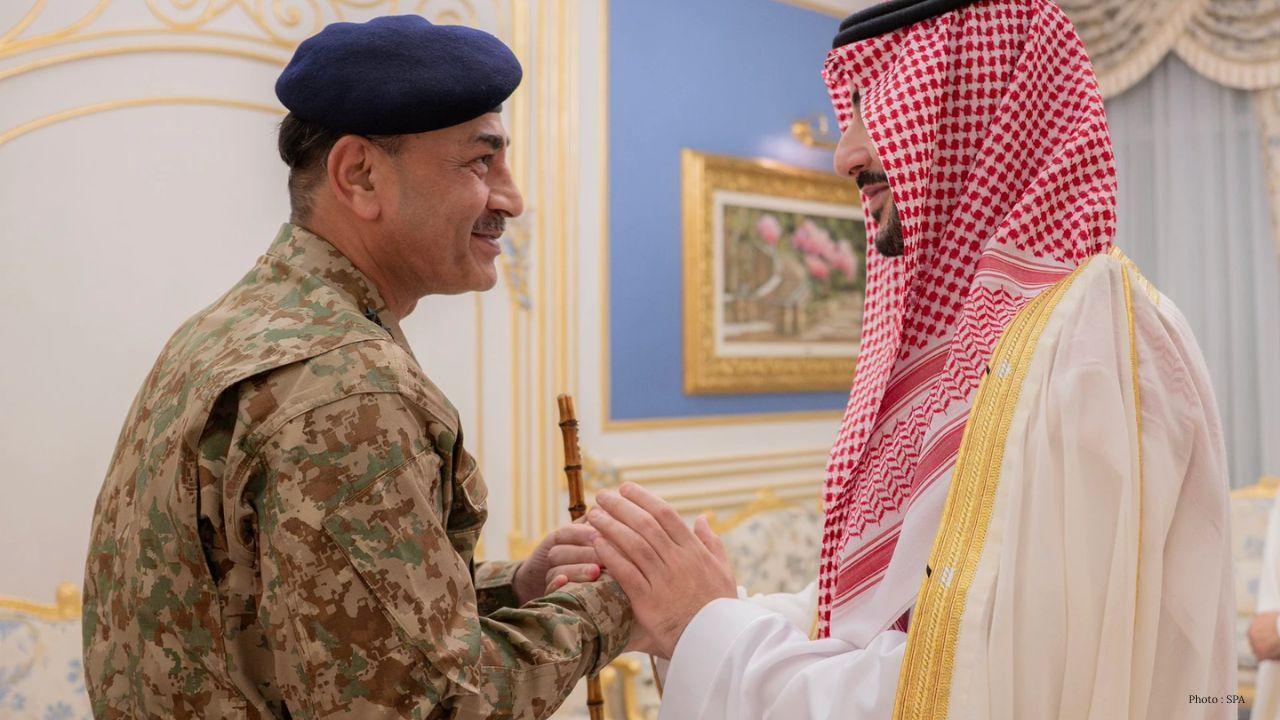
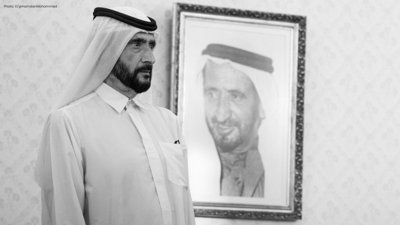
The draft sets firm requirements for male employees. Saudi men will need to wear the national dress while at work. This includes the traditional thawb and the ghutra or shemagh. This rule ensures that local heritage and identity remain visible in professional settings.
Non-Saudi men, on the other hand, will be required to wear a formal business suit. By doing this, the government wants to remove mixed interpretations of business attire and create a single standard for all expatriate employees. These measures are part of efforts to improve workplace professionalism and maintain a uniform appearance across different sectors.
The draft code also lays out clear rules for women. Both Saudi and non-Saudi female staff must dress modestly, wearing outfits that fully cover the body. Clothes should not be tight or transparent.
These rules apply whether women are at their regular workplace, attending official events or appearing in media on behalf of their employer. The purpose is to protect public decency and ensure a consistent and respectful appearance in all work-related situations.
The proposed rules go beyond clothing. Employees must follow high standards of behaviour and maintain good personal hygiene. The code highlights the importance of respectful interactions and proper conduct in professional environments.
It also bans accessories or clothing that display political messages, ideological symbols or anything that could be considered offensive. This is meant to keep workplaces neutral and free from potential conflict or division.
Companies will play an important role in enforcing the new rules. Every organisation in the private sector will need to create and display its own internal dress code that follows the national guidelines.
If businesses fail to follow or enforce these rules, they may face penalties. In the past, fines for labour violations have reached up to SR 5,000, showing that the government takes workplace regulations seriously. The proposal signals that similar penalties may apply under the new system.
Right now, the code is still under public consultation. Employers, employees and the general public can share their opinions before the rules are finalised. Although some details may change, the direction is clear: Saudi Arabia wants a more organised, uniform and nationally representative workforce.
If the draft becomes official, both companies and workers will need to adjust their practices. The upcoming months will show how the final version will look, how strict the enforcement will be and how these new standards will shape everyday office life in the Kingdom.


 English