Post by : Sami
Al-Rahmani
Secrets to Keeping Your Roti Soft: Common Mistakes and Solutions
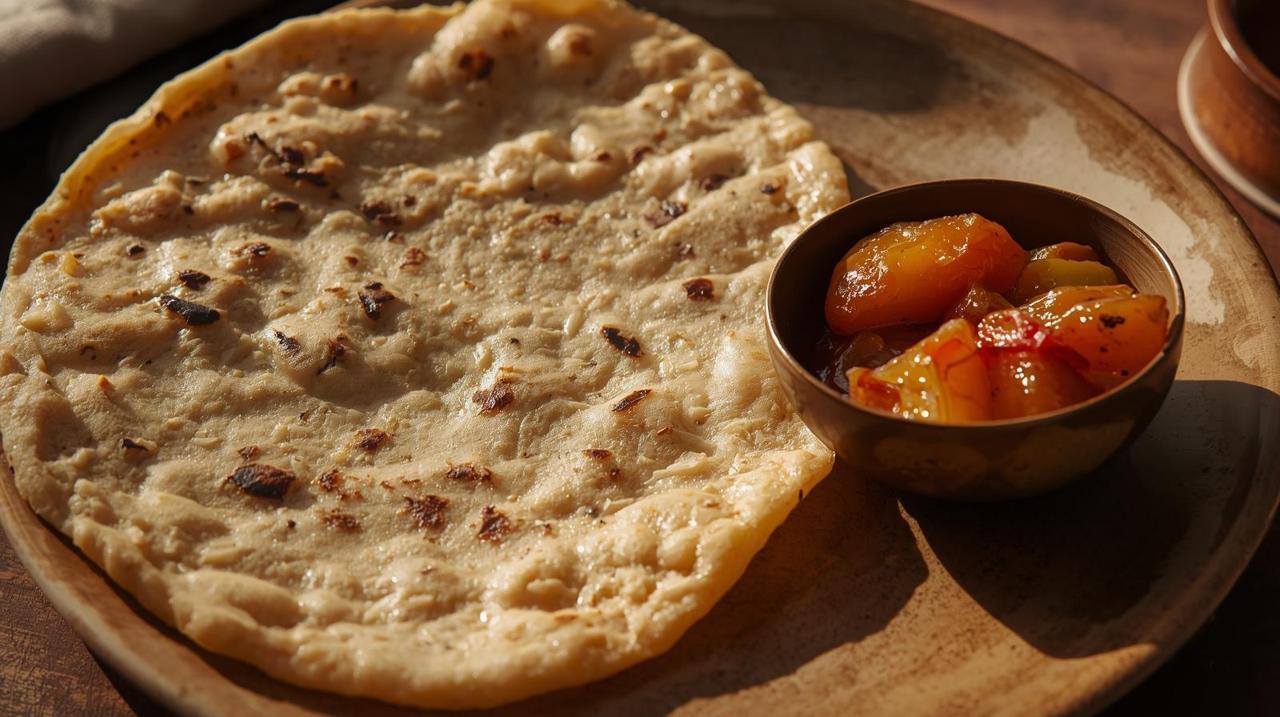
Crafting the ideal soft, fluffy roti might seem straightforward, yet many find their creations turning hard, chewy, or dry in just moments. Thankfully, these issues often stem from minor oversights, and addressing them can lead to beautifully soft rotis that last for hours. Here’s an in-depth look into the typical causes and effective remedies.
Why Roti Becomes Hard
Hard rotis typically result from improper dough consistency, insufficient gluten formation, excessive cooking, or lack of moisture. Each factor impacts the final softness and flexibility.
Flour-to-Water Ratio Mistakes
A dough that is overly tight (too little water) will yield stiff rotis, while too much water can lead to dryness as they cool. The best dough is soft, smooth, and slightly stretchy, avoiding hardness and stickiness.
Insufficient Kneading
Kneading is vital for developing gluten, enabling roti to remain soft and pliable. Many people knead for merely a minute—this is inadequate. Proper kneading guarantees a good puff and consistent softness in rotis.
Neglecting Dough Resting
Allowing the dough to rest helps moisture disperse evenly. Rushing into rolling right after kneading makes the dough tough, which contributes to hard rotis.
Inconsistent Rolling Thickness
Rolling the dough unevenly results in spots that are either too crispy or undercooked, both leading to hardness. The optimal thickness of a roti is medium and uniform, avoiding extremes.
Inadequate Heat on the Tawa
Achieving soft rotis requires high, even heat. Using a tawa that's not adequately heated can lead to:
• Drying out of rotis
• Longer cooking times
• Loss of moisture, leading to hardness
Professional chefs know the importance of preheating the tawa before cooking.
Overcooking Issues
Prolonged contact with the tawa will dehydrate the roti rapidly. Rotis should be cooked swiftly and precisely. Overcooking drains moisture and causes stiffness.
Failing to Puff the Roti
A puffing roti traps steam inside, keeping it soft. If your roti is failing to puff, it can stem from:
• Poor gluten formation
• Uneven rolling
• Incorrect heat settings
Puffing is a clear indicator that your dough and cooking methods are spot on.
Delayed Ghee Application
Brushing ghee right after cooking seals in moisture. Waiting too long before application allows drying, negating roti softness.
Choosing the Right Tawa
An unblemished tawa, with minimal grease and adequate texture, ensures proper cooking. Typically, iron or cast-iron tawas yield the softest rotis by retaining heat evenly.
Strategies for Soft Rotis Every Time
Here are some straightforward, effective solutions:
Ensure Proper Water Usage
Begin with warm water. For one cup of atta, use about ½ cup to ⅔ cup of water, depending on your flour type.
Knead for 5–7 Minutes Minimum
Knead until the dough is smooth and springs back. A teaspoon of oil can enhance softness.
Let the Dough Rest for 15–30 Minutes
This step is critical. Cover with a damp cloth to keep the moisture intact.
Roll Evenly
Apply gentle pressure and turn the dough while rolling to achieve a consistent thickness.
Utilize High Heat for Cooking
Preheat the tawa for a minimum of 1–2 minutes. Cook rotis swiftly—about 20–30 seconds per side.
Encourage Puffing
Once both sides are lightly cooked, use tongs to puff the roti directly over the flame (if on gas). If not, lightly press the edges on the tawa to promote puffing.
Immediate Ghee Application
Brush the ghee while the roti is still hot to keep it moist and enhance softness.
Proper Roti Storage
Store fresh rotis in a cloth-lined casserole to retain steam and softness. Avoid leaving them exposed.
Pro Tip: Use Milk or Curd for Extra Softness
Incorporating 1–2 tablespoons of milk or curd into the dough yields softer rotis and prolongs freshness, especially in colder months.
Disclaimer
This article provides general cooking advice and educational insights. Individual outcomes may vary based on flour types, cooking methods, and heat sources. For specific dietary or health inquiries, consult an expert before making changes to your cooking practices.


 English