Post by : Anis
Al-Rashid
New Awareness in Self-Care Practices
Recent discussions around mental health in major cities have ignited important conversations about managing stress, emotional balance, burnout, and fatigue. These reports not only unveiled clinical issues but also reflected the day-to-day challenges that many face in managing work, relationships, financial stress, and the overwhelming digital landscape.
Almost instantaneously, individuals began integrating simple, achievable self-care routines into their hectic lives. Departing from complex wellness trends, many are now focusing on manageable daily rituals that can be practiced without substantial expenditure or lifestyle upheaval.
This dialogue has led to communities and workplaces sharing effective self-care strategies, nurturing a collective movement driven by genuine needs and feasible solutions.
Impact of Mental Health Reporting on Public Actions
This week's mental health stories provided many with clarity, steering them away from grandiose resolutions, and instead towards more practical changes.
Key themes from the reports included:
Self-care is no longer viewed as an indulgence but as a vital necessity.
Most notably, the relatability of the newly embraced habits stood out. These practices, grounded in emotional need and authentic experience, stood in stark contrast to superficial trends.
Revival of Morning Routines
A significant shift observed during this period was the resurgence of deliberate morning rituals. With stress levels highlighted in recent news, many found smoother starts to their days through intentional morning practices.
Adopted practices often included:
-
Spending five minutes in silence before checking phones
-
Slowly preparing a warm drink
-
Gentle stretching in bed
-
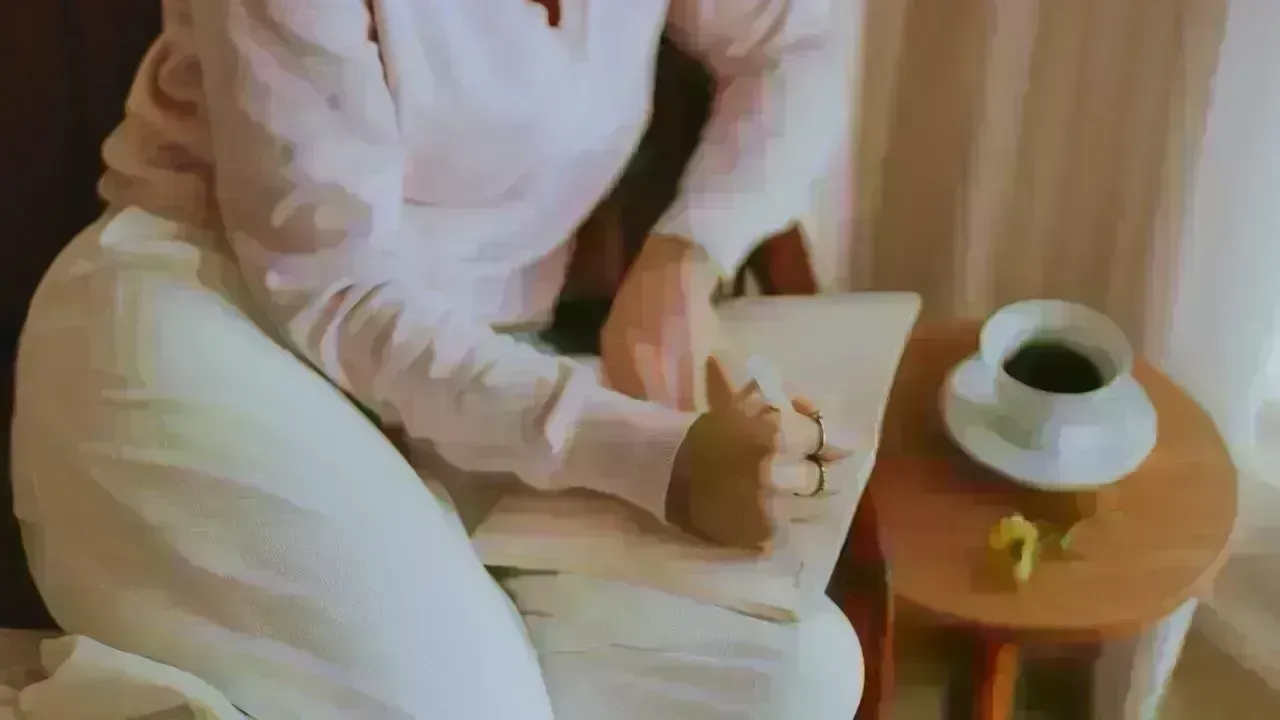
Writing a few thoughts in a journal to set the emotional tone
-
Creating a task list rather than reacting impulsively to notifications
Although these rituals seem minor, they have offered many the grounding they need to navigate their days.
Adopting Short Mental Breaks
The mental health discourse highlighted the cognitive drain caused by continuous multitasking. People began integrating short breaks into their schedules, something often overlooked in recent months.
Common micro-breaks included:
-
Taking a two-minute break from devices
-
Deep breathing throughout work transitions
-
Gazing out a window to refresh focus
-
Standing and stretching between meetings
-
Mindfully sipping water
These breaks assisted people in emotional regulation, burnout prevention, and lowering irritability, marking them as vital self-care habits of the week.
Establishing Digital Boundaries
One of the major trends emerging from this week's coverage was the move towards healthier digital habits. Individuals became acutely aware of the toll that constant notifications, screen scrolling, and emotional content had on their well-being.
In response, people adopted habits like:
-
Turning off non-essential notifications
-
Implementing 'no-phone' times during meals
-
Setting usage limits on social media
-
Charging devices outside the bedroom
-
Muting or unfollowing distressing content
These boundaries have afforded individuals necessary mental space, reduced anxiety, and improved sleep, marking a significant shift in self-care practices this week.
Reconnecting with Basic Physical Activity
The mental health reports emphasized the connection between physical activity and emotional wellness, prompting individuals to revisit fundamental forms of exercise.
Some trending habits included:
-
Taking evening or break walks
-
Engaging in gentle stretching routines
-
Home workouts that require no equipment
-
Practicing slow yoga
-
Incorporating light household chores into movement
Rather than pursuing intense fitness goals, the focus has shifted to movement that nurtures mood and energy balance.
Journaling Gains Popularity
Inspired by the benefits of journaling for anxiety and emotional overload, many felt compelled to articulate their thoughts on paper this week.
Three journaling methods gained popularity:
-
Emotion dumps to release pent-up feelings
-
Gratitude notes to shift from negativity
-
Reflection logs to monitor weekly mood changes
People are drawn to journaling for its ability to clarify thoughts, alleviate stress, and lend emotional structure, all without significant time investment.
Breathwork Emerges as a Quick Calming Technique
Breathwork has emerged as a simple yet effective self-care trend. Current discussions emphasize controlled breathing’s role in effectively calming the body during moments of stress.
Popular techniques include:
-
Slow diaphragmatic breathing
-
Exhale-focused breathing (longer exhales than inhales)
-
Box breathing for grounding
-
Short breathing routines pre-sleep
These exercises gained traction as they require no special setup and can be performed in various settings.
Embracing “Micro-Joy Moments”
Another noteworthy trend is the practice of deliberately seeking out small joys throughout the day. People recognized that minor pleasures can significantly elevate moods.
Throughout the week, popular micro-joys included:
-
Playing a favored song during morning routines
-
Lighting a candle in the evening
-
Savoring tea mindfully
-
Wearing comfortable clothing
-
Tidying up a particular area of a room
These small acts can provide a much-needed emotional lift during busy days.
Focus on Meaningful Social Connections
This week's mental health debates outlined the emotional effects of isolation and the importance of true connections. As a result, individuals began prioritizing substantial interactions over superficial digital ones.
Examples included:
-
Calling rather than texting a close friend
-
Quality family time
-
Reconnecting with those who were previously out of touch
-
Participating in community activities
-
Openly sharing feelings
These interactions not only alleviated loneliness but also bolstered support systems, enhancing collective emotional health.
Transition to Practical Daily Routines
This week saw a shift from idealized wellness routines that are often promoted online to more realistic and manageable self-care practices suited to busy lives.
Key adjustments included:
-
Simplifying to-do lists
-
Reducing multitasking efforts
-
Organizing living spaces gradually
-
Focusing on essential over aesthetic tasks
-
Recognizing and celebrating small victories
This change was liberating for many.
Prioritizing Sleep Hygiene
Amidst the mental health coverage, declining sleep quality emerged as a dominant theme. In response, individuals are now prioritizing sleep hygiene.
Current sleep-enhancing habits include:
-
Minimizing screen exposure before bedtime
-
Maintaining a regular sleep schedule
-
Creating low-light environments at night
-
Avoiding heavy meals late in the evening
-
Listening to soothing sounds
These adjustments assist in mental and physical recovery after exhaustive days.
Embracing the Power of “No”
An unexpected yet vital trend this week was the increased focus on setting boundaries. Many acknowledge that burnout is frequently caused by over-commitment, prompting a reclamation of personal time.
This involved:
-
Declining additional work responsibilities
-
Limiting social engagements
-
Managing mental load through delegation
-
Guarding personal time for rest
Learning to say “no” has evolved into a form of self-care.
Final Thoughts
This week's mental health dialogues did more than encourage conversations; they reshaped how individuals navigate their daily lives. The self-care trends are simple, attainable, and rooted in emotional necessity rather than fleeting popularity. These practices foster smoother mornings, breathing space during work, warmth in relationships, and organization in restless minds.
The essence remains that self-care need not be extravagant. Simple habits—be it five minutes of quiet, a deep breath, or a heartfelt conversation—can effectively enhance emotional well-being. As more individuals adopt these shifts, we may find ourselves at the start of a cultural transformation towards gentler, more mindful living.
DISCLAIMER:
This article is intended for general informational purposes only. It is not a substitute for professional mental-health guidance, diagnosis, or treatment.


 English