Post by : Mariam
Al-Faris
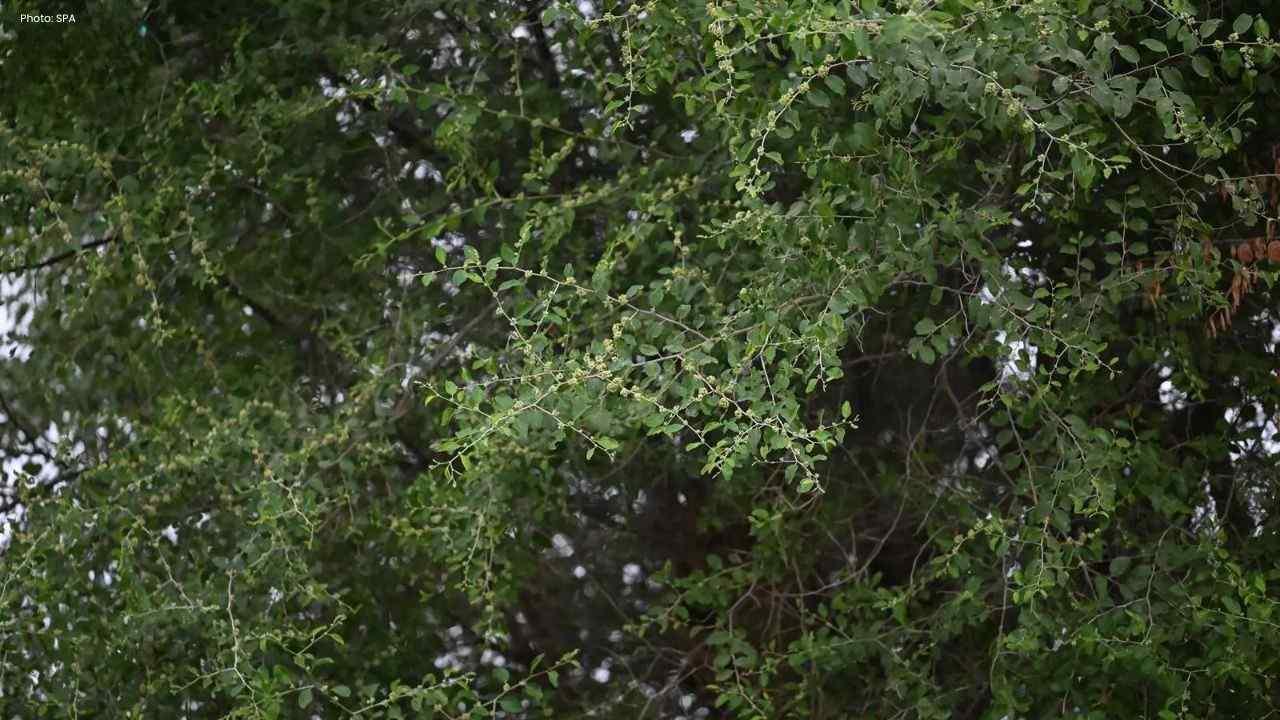
Sidr trees in the Jazan Region are considered one of the most important natural plants in the area. These trees live for many years and grow strongly in arid environments, making them a valuable part of the region’s natural landscape. Their presence supports environmental balance, especially in valleys where water and greenery are limited. For generations, these trees have played a major role in supporting nature, people, and wildlife.
Sidr trees usually grow alone and can reach impressive heights of nearly 10 meters. They are known for their strong and deep roots, which help hold the soil in place. This feature makes them a natural shield against desertification, preventing soil erosion and protecting the land during dry seasons. Their branches spread widely, creating a dense network that helps reduce the impact of strong winds and heavy rains. Because of this, Sidr trees are seen as an essential part of the region’s natural safety.
The large branches and thick leaves of the Sidr tree make it a perfect home for wildlife. Birds often build their nests in these trees, and many small animals use them for shelter and food. The presence of Sidr trees improves biodiversity, supporting a variety of living creatures. This connection between the tree and wildlife helps maintain a healthy environment, showing how important the Sidr tree is to life in Jazan.
One of the most valuable features of the Sidr tree is its high-quality nectar. The tree blooms twice a year—once in the summer and again in the winter. These regular blooming seasons help beekeepers collect Sidr honey, which is famous for its rich flavor, purity, and health benefits. Beekeepers carefully study the flowering times to collect the best honey. Because of its quality and taste, Sidr honey is considered a premium product across the region.
Besides honey, the Sidr tree also produces jujube fruits. These fruits are typically orange or red and have a sweet taste. They are rich in natural fiber and minerals, making them a healthy food choice. Many local residents enjoy these fruits as a traditional snack, and they are also used in natural remedies. This makes the Sidr tree not only important for the environment but also valuable for nutritional benefits in the community.
For centuries, Sidr leaves have been used in traditional practices. People often use the leaves for cleansing and hair care. The powdered form of the leaves is added to skin treatments and natural beauty routines. The wide shade of the Sidr tree also attracts hikers, families, and nature lovers. Many people gather under these trees for rest, social activities, or simply to enjoy the peaceful surroundings. This strong cultural connection shows how deeply the Sidr tree is rooted in the region’s daily life and traditions.
Sidr trees in Jazan hold significant environmental, cultural, and practical importance. They support the ecosystem, enrich local traditions, and provide valuable food and natural products. Their long-standing presence in the region reflects a balanced relationship between people and nature. As Jazan continues to grow, the Sidr tree remains a symbol of stability, sustainability, and natural beauty.


 English