Post by : Saif
Al-Najjar
Energy is one of the most important needs of modern life. We use it to run homes, schools, offices, and transport. But the way we use energy today is not always smart or clean. Burning oil, gas, and coal pollutes the air and adds to climate change. This is why the world is moving toward two big solutions: smart energy management and electric vehicles (EVs).
These two ideas are helping people save power, reduce waste, and keep the planet safe. This article explains them in simple words so everyone, even school students, can understand.
What is Smart Energy Management?
Smart energy management means using energy in a better, faster, and more careful way. It uses new technology to make sure electricity is not wasted and is used when it is most needed.
Some examples are:
Smart meters: They show how much energy a home or office is using in real time.
Automatic systems: These turn off lights, fans, or machines when no one is using them.
Energy storage: Solar or wind energy can be stored in batteries for use later.
Smart grids: Power companies can balance supply and demand so there are fewer blackouts.
This way, people save money on bills and also protect the environment.
What are Electric Vehicles (EVs)?
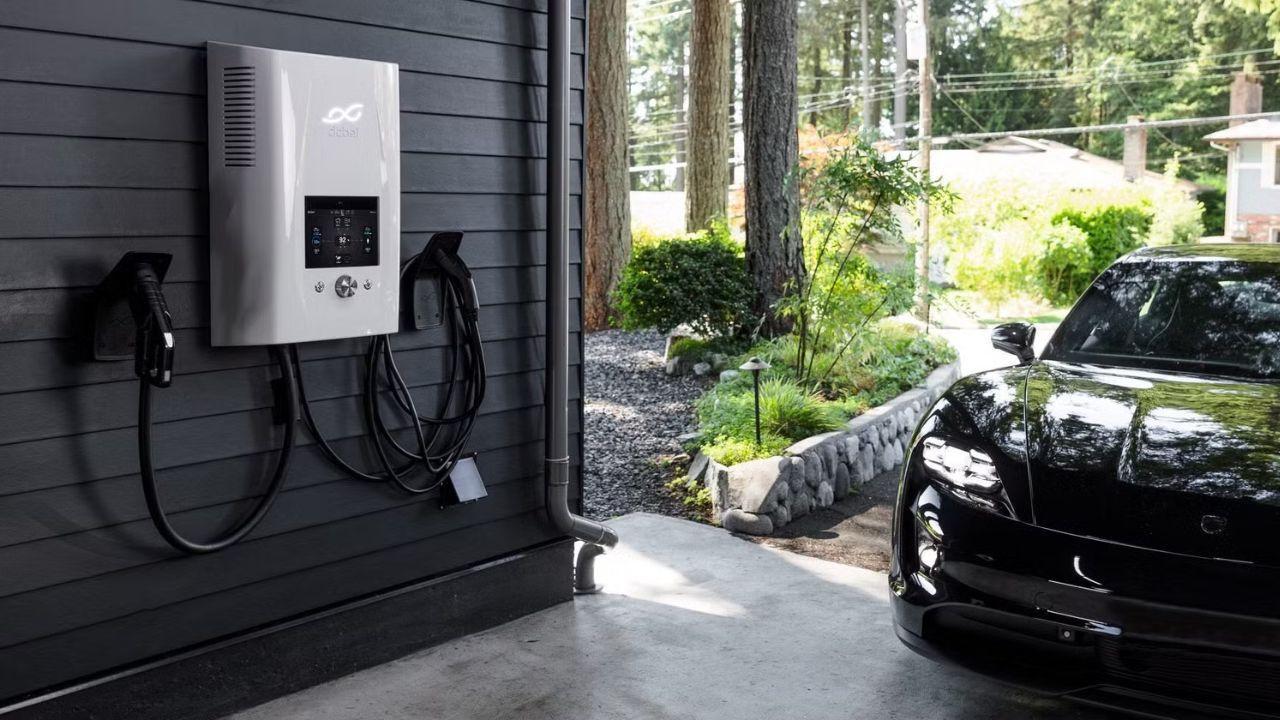
Electric vehicles are cars, buses, or trucks that run on electricity instead of petrol or diesel. They have batteries that can be charged at home or at charging stations.
Benefits of EVs:
Clean air: EVs do not release smoke from exhaust pipes.
Low cost: Charging is cheaper than buying fuel.
Quiet ride: EVs make less noise than fuel cars.
Less oil use: Countries do not need to import as much petrol or diesel.
How Smart Energy and EVs Work Together
Smart energy systems and EVs are connected. Together, they create a strong and clean energy future.
Smart charging: EVs can be charged at night when electricity demand is low.
Vehicle-to-grid (V2G): Some EVs can send stored power back to the grid to help during peak hours.
Battery storage: EV batteries can store extra energy from solar or wind farms.
Smart systems can make sure charging many cars at once does not cause overload.
Global Efforts and Progress
Many countries are building charging networks on highways and in cities.
Car companies are making EVs with bigger batteries so they can drive longer on a single charge.
Governments are offering discounts or tax cuts to encourage people to buy EVs.
Cities are using smart lights, solar power, and digital tools to save energy.
Benefits for Society and Nature
Cleaner environment: Less pollution in air, water, and land.
Healthier people: Less smoke means fewer breathing problems.
New jobs: Growth in clean energy, battery, and EV industries.
Secure energy: Countries can rely more on their own renewable energy.
Challenges We Must Solve
High cost: EVs and smart systems are still expensive for many families.
Charging network: More charging stations are needed for long trips.
Battery recycling: Old EV batteries need safe recycling methods.
Public awareness: People need more knowledge on how to save energy wisely.
The Road Ahead
Smart energy management and EVs are not just dreams. They are already here, and they are changing how we live. Governments, companies, and families must work together to grow this change faster. By saving energy, using EVs, and supporting clean technology, we can cut pollution, protect health, and build a better future for children.
The future of energy is smart and electric. With smart systems, we can save power and reduce waste. With EVs, we can clean the air and lower costs. Together, they are a strong answer to the world’s energy and climate problems.


 English