Post by : Bianca
Haleem
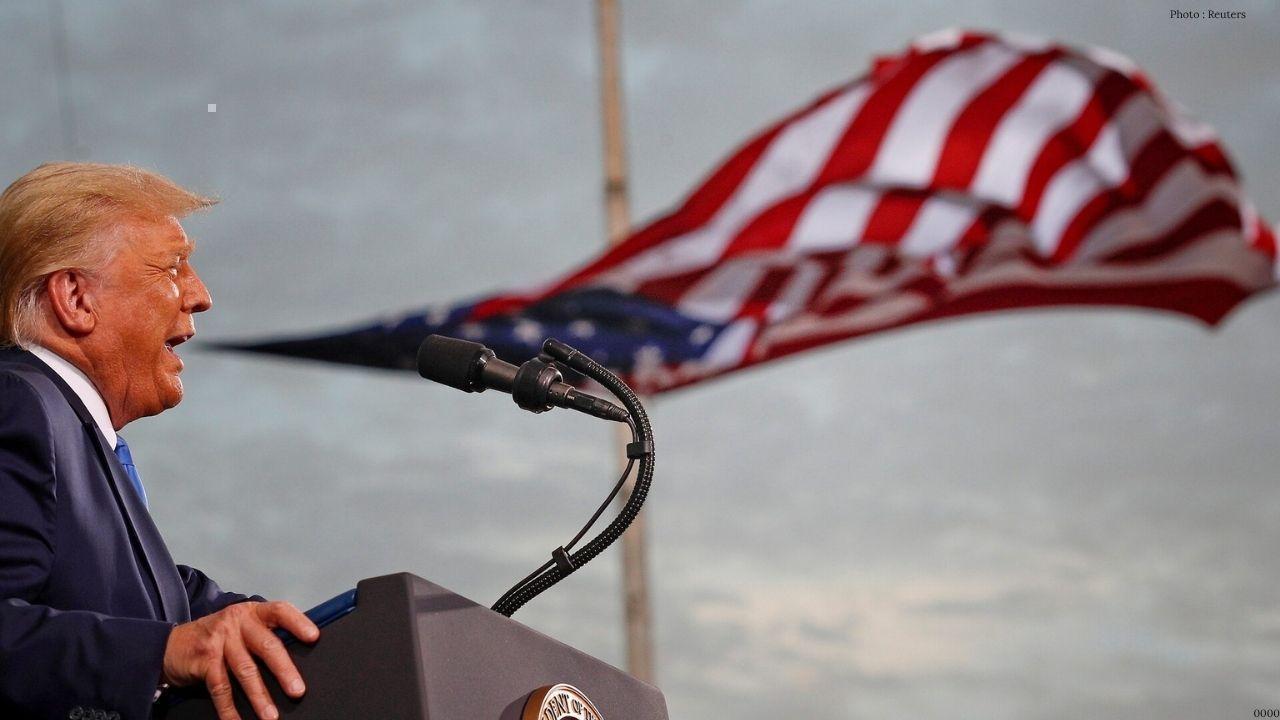
South Korea is propelling forward with its plans for nuclear-powered submarines following a significant endorsement from former U.S. President Donald Trump, concluding years of American hesitance. This development is poised to redefine maritime security and potentially ignite an underwater arms competition in East Asia.
For years, Seoul has aimed to join the limited circle of nations equipped with nuclear submarines, primarily to address the escalating undersea threats from North Korea, including its submarine-launched ballistic missiles. Trump's endorsement paves the path for South Korea to acquire nuclear fuel under an existing bilateral agreement, thereby eliminating a crucial obstacle for the initiative.
The progress has attracted significant attention in the region. Experts believe that China may react with caution, while Japan might feel compelled to reassess its naval strategy. Nuclear-powered submarines offer enhanced speed, prolonged submerged capabilities, and broader operational reach, potentially altering the naval equilibrium in the region.
South Korea's ambitious aspirations are based on years of groundwork. The nation first examined nuclear propulsion for submarines during the North Korean nuclear crisis of 1994. Although technical hurdles delayed advancement, South Korea has consistently made strides, achieving basic submarine designs and inching closer to reactor assembly. Defense officials project that the initial vessel could be operational within a decade, aiming to build at least four nuclear submarines weighing 5,000 tons each.
North Korea has issued warnings that this initiative might trigger a "nuclear domino" effect, and reports indicate that Pyongyang may be receiving technical support from Russia. Meanwhile, Japan has recognized nuclear propulsion as a viable option but has yet to embark on detailed studies.
The U.S. characterizes its support as part of a larger strategy to bolster regional deterrence and alliances against the rising military power of China. Seoul asserts that the program is fundamentally defensive, targeting North Korean threats while affirming its commitment to global non-proliferation efforts.
As South Korea strives to become a leader in naval advancement throughout the region, the forthcoming years may transform undersea warfare in East Asia, with nuclear-powered submarines taking center stage in a new strategic framework.


 English