Post by : Shweta
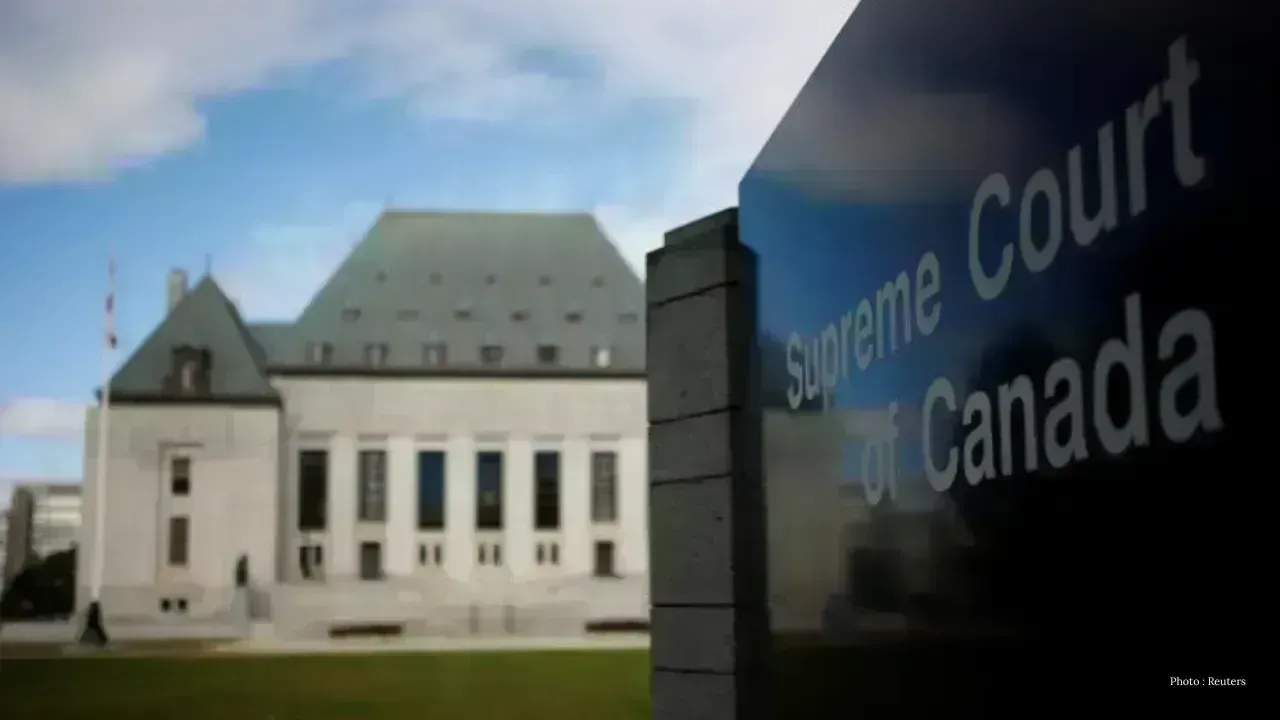
The Supreme Court of Canada has opted not to entertain an appeal related to a significant Aboriginal title case in New Brunswick, a move poised to shape discussions surrounding Indigenous land rights across Canada. The litigation was brought forth by the Wolastoqey Nation, which sought formal acknowledgment of Aboriginal title that encompasses extensive tracts of land, including those held privately in New Brunswick.
By rejecting the appeal, Canada’s highest judicial authority has upheld a prior decision from the New Brunswick Court of Appeal, which stated that Aboriginal title cannot be enforced upon lands privately owned. This ruling holds considerable weight as it may dictate how future legal conflicts regarding Indigenous land claims and private ownership rights are resolved across the nation.
The Wolastoqey Nation maintained that its ancestral lands included significant portions of New Brunswick, arguing that Indian title rights should be acknowledged even in regions currently owned by private parties. However, the New Brunswick Court of Appeal concluded in late 2025 that acknowledging Aboriginal title on privately managed lands could lead to substantial legal and societal entanglements. One judge cautioned that such recognition might hinder reconciliation efforts between Indigenous peoples and other Canadians.
In response to the Supreme Court's determination, officials from the federal government emphasized that private property rights are considered “essential” within Canada. The ruling is expected to serve as a precedent in other crucial Aboriginal title cases, notably the prominent Cowichan Tribes case in British Columbia.
The Cowichan situation has garnered national spotlight due to a prior ruling from a British Columbia court, which noted that both Aboriginal title and private property rights might coexist in select areas. This created apprehensions among homeowners, businesses, and municipal authorities, especially where overlapping land claims could arise. Several organizations and governments are presently appealing that British Columbia judgment.
Legal analysts highlight that the Supreme Court's dismissal of the New Brunswick appeal could bolster defenses advocating for protections of private land ownership. Meanwhile, Indigenous leaders and advocates assert that Aboriginal title rights are enshrined in the constitution and should be officially acknowledged within Canadian law. Previous Supreme Court decisions, including those in the Tsilhqot’in and Delgamuukw cases, have already broadened the scope of legal recognition concerning Indigenous land rights.
The case has incited vivid discussion online and among legal commentators, with numerous Canadians engaging in the debate over how the nation should reconcile efforts among Indigenous rights and property regulations. Some analysts predict that similar disputes regarding land ownership will eventually present themselves before the Supreme Court from other provinces.
While the Supreme Court did not elaborate on its reasons for declining the appeal, this decision preserves the ruling from New Brunswick and signifies another crucial chapter in Canada’s ongoing discourse about Indigenous land rights and constitutional law.


 English