Post by : Mariam
Al-Faris
Photo: Reuters
Taiwan has announced a major national project called the "Ten Major AI Infrastructure Projects" with a strong goal: to turn Taiwan into a global leader in artificial intelligence (AI) by the year 2040. This project is not just about developing new technologies; it is about transforming the country’s economy, job market, and global position in the tech industry.
According to the government, this ambitious initiative could generate more than T$15 trillion (about US $510 billion) in economic value by 2040. The plan is expected to improve various sectors, create employment opportunities, and strengthen Taiwan's leadership in the digital world.
Premier Cho Jung-tai Presents the Vision
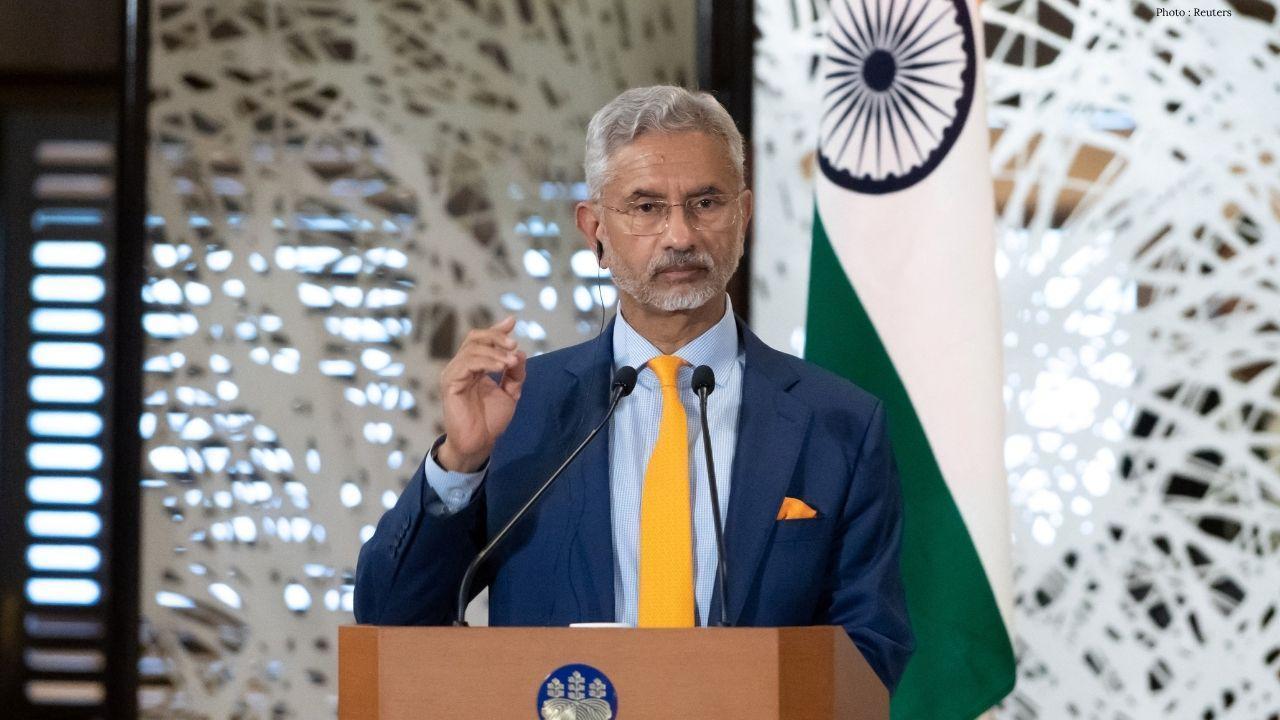
His Excellency Premier Cho Jung-tai, one of Taiwan’s top leaders, introduced the initiative and explained the country’s vision for its AI-driven future. He said Taiwan wants to build on its current strengths in the information and communications technology (ICT) sector and its world-class semiconductor industry.
Premier Cho called Taiwan a future "smart technology island", suggesting that AI will be at the heart of the country’s progress. This reflects the government’s strong confidence in Taiwan’s ability to compete globally by using its current technologies and building new ones.
Why Taiwan Has a Strong Starting Point
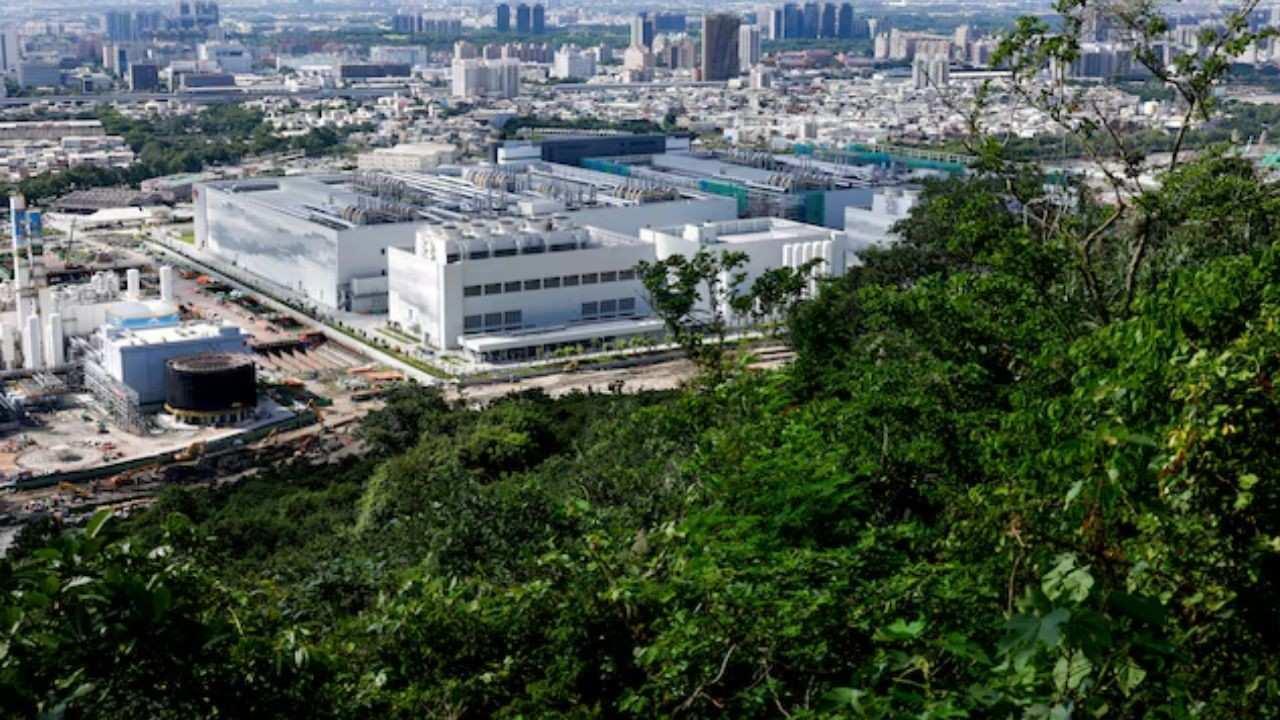
Taiwan is already well-known around the world for its advanced technology. One of its biggest advantages is being home to leading semiconductor companies, including TSMC (Taiwan Semiconductor Manufacturing Company), which makes some of the most advanced microchips on Earth. These microchips are essential components in everything from mobile phones to electric cars—and especially in artificial intelligence systems.
Because AI requires a lot of computing power, the chips Taiwan produces are critical to the development of smart machines, data processing, and AI applications. This existing strength gives Taiwan a solid foundation to build a powerful AI industry.
The Focus of the AI Plan: Three Key Technologies
As part of the initiative, Taiwan has identified three main technologies that it will prioritize. These technologies are expected to play a major role in global AI development:
-
Silicon Photonics
This is a special technology that uses light (instead of electrical signals) to transfer data inside computer chips. It can make devices work faster and use less energy. This is important for making powerful and efficient AI systems.
-
Quantum Technology
This involves developing computers that are much more powerful than today’s machines by using the rules of quantum physics. Quantum computers can solve complex problems much faster than regular ones, which could lead to major advances in AI.
-
AI Robotics
Taiwan plans to focus on building intelligent robots that can learn and make decisions on their own. These robots can be used in factories, hospitals, schools, homes, and other areas where smart machines can help improve daily life.
Creating 500,000 Jobs Across Sectors
One of the most important goals of this plan is to create 500,000 new jobs across Taiwan. These jobs will not only be in tech companies but also in education, research, manufacturing, and services. People will be needed to design software, build robots, test AI systems, and manage digital infrastructure.
This shows that the plan is not only about machines—it’s about creating better opportunities for people. It will offer young professionals a chance to grow in future technologies and encourage more students to study science and technology.
Establishing Global Research Labs
To support this large project, Taiwan also plans to set up three world-class research laboratories that will focus on AI and related technologies. These labs will bring together international researchers, engineers, professors, and companies to work on new inventions, advanced studies, and training.
By doing this, Taiwan hopes to build a strong research environment that will attract talent from all over the world and create a space where new AI ideas can grow quickly.
A Major Boost to the Economy
The Taiwanese government believes this project will significantly improve the country’s economy. By creating new industries, boosting exports, and attracting investment, the AI sector could add up to T$15 trillion (around US $510 billion) in value by 2040.
This economic growth would not only improve the country’s financial standing but also improve the quality of life for its citizens. More income, better services, and smarter infrastructure would all be possible through this development.
Taiwan's Strategy to Compete Globally
Countries like the United States, China, and members of the European Union are also investing heavily in artificial intelligence. Taiwan understands the global competition and wants to secure its place at the top.
By focusing on specific high-impact areas and using its current advantages, Taiwan hopes to become an essential partner in the global tech ecosystem. Collaborating with other countries and technology companies is part of the strategy, and the government is open to international partnerships.
Government Support and Industry Collaboration
The AI initiative will be strongly supported by Taiwan’s government, which will provide the required funding, legal frameworks, and partnerships to help it succeed. This includes support for local tech startups, financial aid for research institutions, and updated regulations to encourage innovation.
Public-private partnerships will be encouraged so that both large corporations and small companies can benefit and contribute to the AI vision. The government will also work with schools and universities to train more AI professionals.
Training the Next Generation
Education is a big part of Taiwan’s AI vision. The initiative includes efforts to improve science, math, engineering, and AI education at all levels—from schools to universities. By preparing students with the skills they’ll need in the AI age, Taiwan is investing in a long-term future where its people will continue to lead in innovation.
Training programs, internships, and scholarships will help students and young professionals find their place in this fast-changing field.
Taiwan’s Roadmap to an AI Future
The "Ten Major AI Infrastructure Projects" is a big step forward for Taiwan. It shows that the country is serious about becoming one of the top global leaders in AI technology. By combining its strengths in semiconductors, tech innovation, education, and government policy, Taiwan is building a future that is smart, sustainable, and people-focused.
The journey to 2040 may be long, but with clear goals, strong leadership, and community support, Taiwan is preparing to shape the world of tomorrow—one smart solution at a time.


 English