Post by : Saif
Al-Najjar
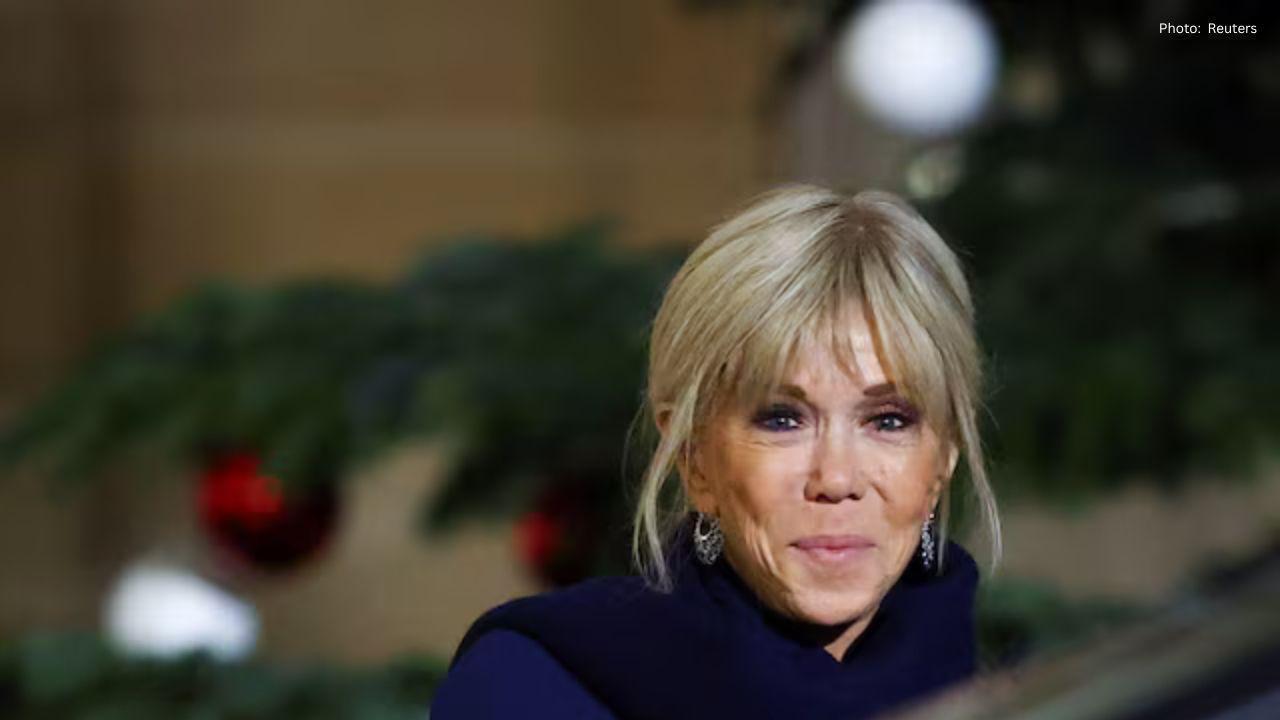
A Parisian court has ruled against ten individuals for their involvement in online harassment directed at Brigitte Macron, the first lady of France. This decisive verdict underscores the serious legal ramifications of spreading falsehoods and defamatory content on the internet.
French media sources report that the court declared eight men and two women guilty of disseminating damaging and incorrect information about Brigitte Macron via social media. Accusations included outrageous claims that she is a transgender individual and that she was originally named after her brother. The court found these allegations baseless and intentionally intended to tarnish her reputation.
Brigitte Macron and her spouse, President Emmanuel Macron, have long been the targets of such misinformation campaigns. Initially, they opted to overlook these slanders, but as the fabrications proliferated online, they chose to pursue legal recourse. This ruling represents a significant effort to confront and curtail online harassment.
The court also highlighted instances where some offenders made disparaging remarks regarding the couple's 24-year age difference, which has been a constant source of mockery and insult from critics. Some comments even ventured into offensive and serious accusations, described by the court as malicious and intolerable.
As a consequence, the court imposed sentences of up to eight months, which were suspended. This means the individuals will avoid incarceration unless they perpetrate further offenses. Nevertheless, this verdict is regarded as an essential warning for those who exploit the internet to propagate falsehoods and hatred.
This ruling coincides with a separate high-profile defamation case that the Macrons are engaged in within the United States. They have initiated legal proceedings against a right-wing influencer and podcaster for repeating similar false claims regarding Brigitte Macron. French authorities believe that the decision strengthened their legal position by demonstrating a willingness from the judiciary to combat online harassment.
The case underscores a rising issue for public figures globally, as social media accelerates the spread of misinformation, resulting in genuine damage to lives and families. Policymakers and courts are striving to find a balance between safeguarding free speech and protecting individuals from malicious abuse.
In France, the court’s ruling is perceived as a progressive move in tackling cyber harassment, reinforcing the notion that the internet is not free from legal oversight and that those who disseminate harmful lies can indeed be held accountable.


 English