Post by : Sami
Al-Rahmani
The Impact of Urban Development on Local Ecosystems
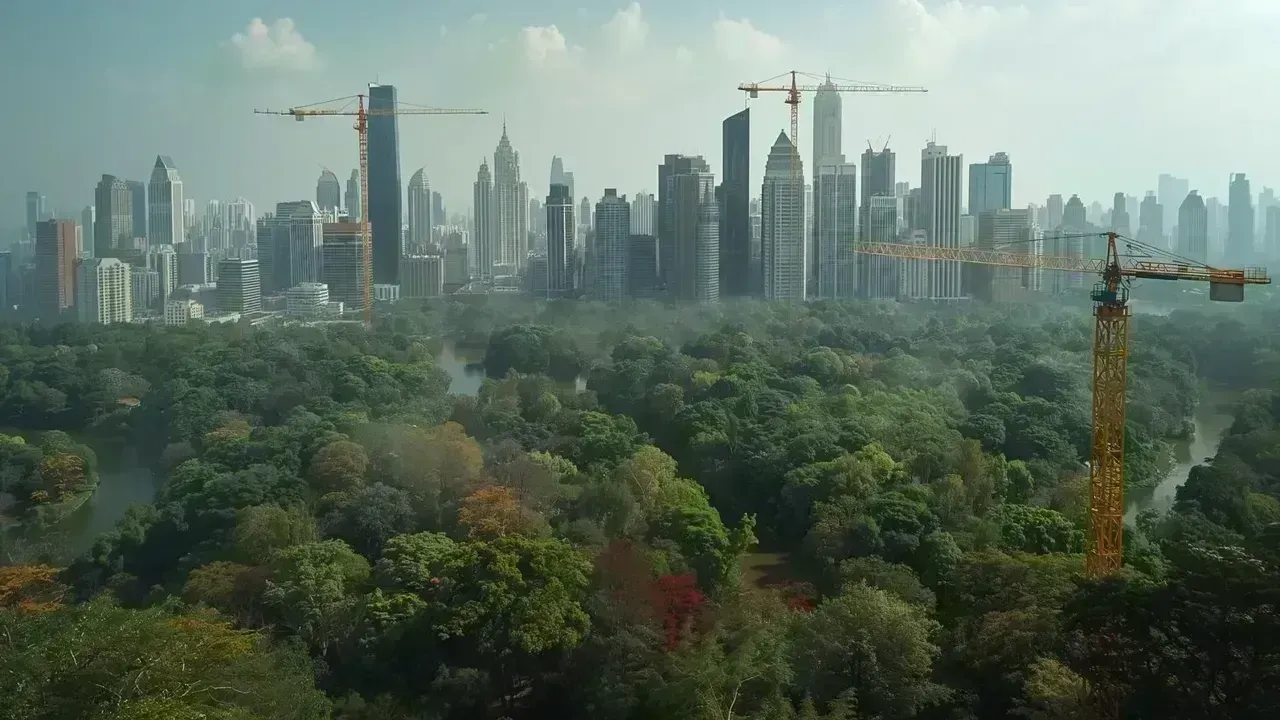
Urban development is frequently viewed as an indicator of progress—enhancing infrastructure, housing, transportation, and driving economic growth. However, this growth conceals a significant issue: the disruption of local ecosystems. As urban areas expand in 2026 and beyond, natural environments are altered, divided, or erased, leading to profound effects on wildlife, plants, water systems, and even human health.
This article delves into the repercussions of urban development on ecosystems, the significance of these transformations, and the role of sustainable planning in mitigating environmental harm.
What Constitutes Local Ecosystems?
A local ecosystem is a harmonious network of living organisms—plants, animals, microorganisms—and non-living components such as soil, water, and air within a designated area.
These ecosystems provide fundamental services, including:
Land Transformation: A Primary Impact
Urban expansion typically initiates with changes in land use.
How Land Conversion Harms Ecosystems
Forests, wetlands, grasslands, and agricultural spaces are often cleared to create roads, residential areas, shopping centers, and industrial sites. This results in:
-
Loss of native plants
-
Destruction of animal habitats
-
Decreased biodiversity
-
Soil degradation
Once land is converted, ecosystems may find it challenging to recover.
Habitat Fragmentation and Displaced Wildlife
Urban development doesn’t merely eliminate habitats—it fragment them into isolated sections.
The Dangers of Fragmentation
-
Animals lose their migration pathways
-
Breeding behaviors are disrupted
-
Genetic diversity diminishes
-
Increased vulnerability to extinction
Wildlife pushed into urban settings often encounters human conflict, resulting in injuries or diminishing populations.
Biodiversity Decline
Urban growth tends to favor a limited number of adaptable species, eradicating many others.
Indicators of Biodiversity Loss
-
Decrease in native plant species
-
Decline in pollinators like bees and butterflies
-
Loss of birds, amphibians, and small mammals
A drop in biodiversity undermines ecosystems, reducing their resilience to climate changes and diseases.
Water Systems Under Pressure
Urban development dramatically alters natural water cycles.
Urban Influence on Water Ecosystems
-
Wetlands are drained or filled
-
Natural streams may be redirected or covered
-
Increased rainwater runoff due to concrete surfaces
This leads to flooding, pollution, and diminished groundwater recharge.
Impact on Aquatic Life
Contaminated runoff transports chemicals, oil, plastics, and waste into waterways, jeopardizing fish and aquatic vegetation.
Urban Heat Islands and Climatic Strain
Cities create urban heat islands, resulting in higher temperatures compared to surrounding rural areas.
Reasons for This Phenomenon
-
Concrete and asphalt soak up heat
-
Reduced tree canopy limits cooling
-
High energy usage increases heat emissions
Elevated temperatures can stress plants and animals, disrupt breeding patterns, and degrade air quality.
Air Pollution and Ecosystem Health
Urban zones produce substantial air pollution.
Consequences for Ecosystems
-
Acid rain damages soil and vegetation
-
Poor air quality disrupts plant photosynthesis
-
Animals suffer from respiratory issues
Air pollution weakens ecosystems, diminishing their capacity to sustain life.
Soil Degradation and Fertility Loss
Healthy soil is critical for ecosystems.
Urbanization's Impact on Soil
-
Soil sealing hampers water penetration
-
Construction compacts soil structure
-
Chemical contaminants impair fertility
Poor soil quality adversely affects plant growth and food webs.
Noise and Light Pollution: The Hidden Threats
Urban settings introduce persistent noise and artificial lighting.
Effects on Wildlife
-
Disrupted communication among species
-
Disrupted sleep and migration cycles
-
Increased stress levels and lower reproduction rates
Many creatures rely on natural sound and darkness for survival.
Invasive Species and Urban Ecosystems
Cities inadvertently foster invasive species.
Reasons Invasive Species Thrive in Urban Areas
-
Disturbed land creates opportunities for aggressive species
-
Less competition from native flora
-
Human activity spreads non-native organisms
Invasive species can outpace native plants and animals, creating further instability within ecosystems.
The Human Side of Ecosystem Damage
The impact of environmental harm extends to people.
Consequences for Humans Include
-
More frequent flooding and heatwaves
-
Poor air and water quality
-
Loss of recreational green spaces
-
Increased health risks
Healthy ecosystems serve as natural protection systems for urban environments.
The Importance of Sustainable Urban Development
Urban expansion need not degrade ecosystems.
Effective Planning Approaches
-
Preserving green corridors
-
Safeguarding wetlands and forests
-
Integrating parks and urban arboretums
-
Controlling urban sprawl
Sustainable urban designs balance development with ecological responsibilities.
Green Infrastructure as a Key Solution
Green infrastructure mimics natural processes.
Examples of Green Infrastructure
-
Green roofs and vertical gardens
-
Permeable surfaces
-
Urban wetlands
-
Rain gardens
These innovations help manage runoff, reduce temperatures, and enhance biodiversity.
The Role of Native Vegetation
Establishing native plants bolsters local ecosystems.
Advantages of Native Flora
Community Engagement and Action
Community participation is vital for healthy urban ecosystems.
Ways Individuals Can Contribute
-
Support green initiatives
-
Minimize waste and pollution
-
Protect local green spaces
-
Advocate for sustainable practices
Collective efforts can lead to significant impact.
Envisioning the Future of Urban Areas and Nature
By 2026, cities will house over half of the world's population. The aim is not to halt development but to rethink how it unfolds.
Cities prioritizing ecosystems will benefit from:
A Final Perspective on Urban Expansion and Ecosystems
While urban development reshapes environments, its success hinges on respecting ecological limits. A collapse of ecosystems renders cities vulnerable, whereas thriving ecosystems contribute to sustainability.
Caring for local ecosystems is not a luxury, but a necessity for our survival.
Disclaimer
This article is intended for general informational and educational purposes. The environmental effects of urban development vary by geography, planning methodologies, and regulatory frameworks. This content should not replace professional advice from environmental, urban planning, or policy experts. Readers are encouraged to seek counsel from qualified professionals and local authorities for specific environmental assessments or planning actions.


 English