Post by : Anis
Al-Rashid
When Work Enters Family Spaces
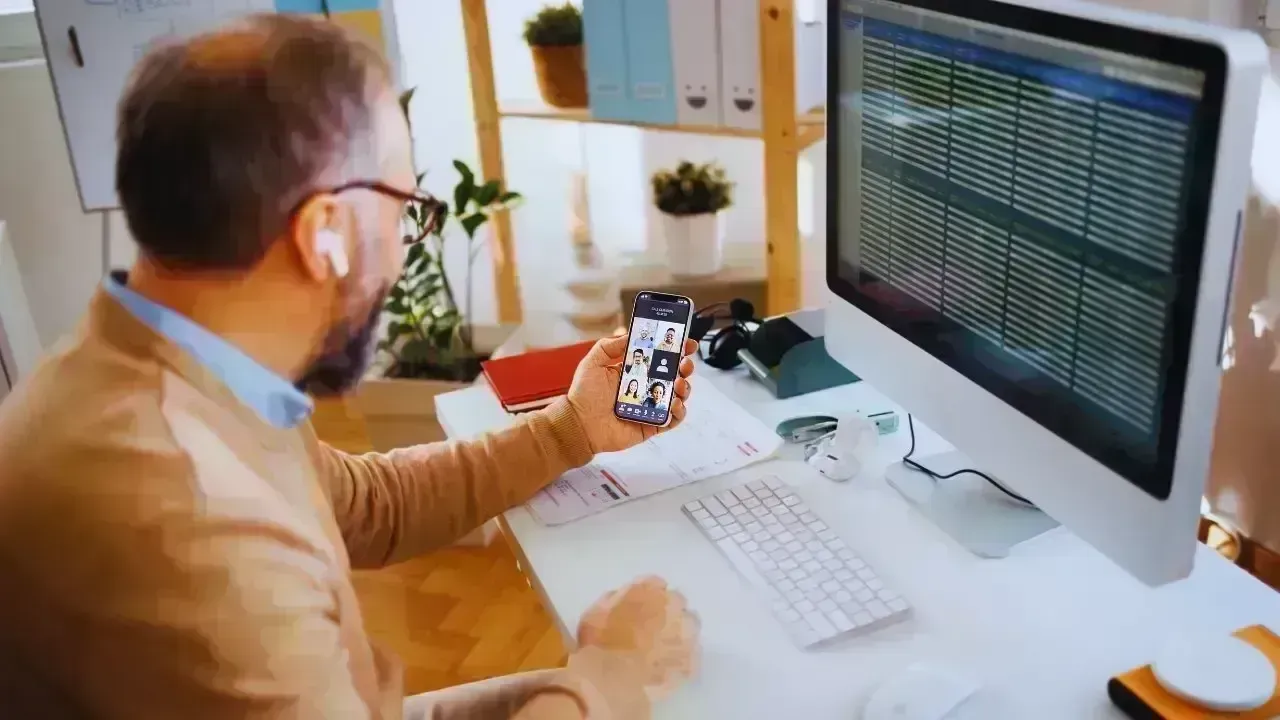
For years, work and home were two distinct realms, separated by commutes and fixed schedules. The advent of remote work has disrupted this separation, transforming it from a temporary measure into a permanent change in how we view work.
By 2026, remote and hybrid work configurations are the norm, significantly influencing how families structure their daily lives. This paradigm shift affects time spent together, delegation of tasks, parenting methods, and how stress is managed, with homes serving as multifunctional hubs for working, learning, and connecting.
The Blurred Boundaries of Home and Work
Struggles with Separation
The absence of clear physical distinctions between personal and professional lives is evident. Workspaces invade kitchens, bedrooms host video calls, and family moments are interrupted by meetings, complicating the ability to mentally detach from work.
Children observe their parents in work settings, and partners witness daily professional stresses firsthand. This visibility fosters understanding but can also clash with personal space and emotional privacy.
A Fluid Daily Rhythm
Traditional family routines governed by office hours are evolving into flexible structures that cater to dynamic work schedules. While this adaptability enhances life quality, it requires active communication and coordination among family members.
Parental Engagement and Everyday Life
More Presence, Less Distance
One major benefit of remote work is the increased presence of parents at home, enabling them to participate in everyday activities and emotional highs and lows.
This continuity fosters stronger connections, ensuring that children feel supported and involved as they navigate their daily lives.
The Challenge of Focus
However, parental presence does not guarantee emotional availability. Juggling work with family demands can leave parents distracted, highlighting the need for clear expectations and boundaries.
Changing Dynamics of Care
Sharing Caregiving Roles
The remote work environment promotes a more equitable division of caregiving tasks as both partners are often at home. This balance challenges traditional gender roles and encourages households to share responsibilities more evenly.
Collaboration in Parenting
Flexibility allows for a collaborative approach to parenting, where one partner can manage a meeting while the other handles household duties. This teamwork fosters stronger relationships but relies on mutual respect and clear communication.
Children's Growth and Learning
Increased Exposure to Work
Children in remote work households gain real-time insights into professional life. They learn valuable lessons about work ethics, communication, and problem-solving, which can be beneficial yet may require careful management to avoid stress exposure.
Cultivating Independence
Adaptability becomes second nature as children navigate new routines, learning to manage their time and engage independently while still requiring emotional support.
Relationships Under Pressure
Building Awareness
Close proximity can deepen relationship bonds through enhanced communication and shared experiences, yet it can also bring underlying issues to the surface, necessitating space for individual identities.
Creating Space
Successful families emphasize the need for separate work areas, personal time, and clear communication, helping maintain balance in a shared living environment.
Redefining Home Spaces
Multi-use Living Areas
Homes, ideally not designed for dual functions, now often reconcile multiple uses, compelling families to reassess how living spaces fulfill various roles.
This repurposing affects personal comfort and mental health, influencing housing preferences toward more spacious or quiet environments.
Design Choices for Harmony
Families are increasingly focused on creating functional living areas, utilizing partitions and adaptable furniture to balance their work and family lives. Such adaptations reflect a growing awareness of how home design significantly impacts day-to-day experiences.
Managing Time and Work
Seizing New Opportunities
Remote work offers families the chance to reclaim time formerly devoted to commuting, redirecting it towards shared meals and activities.
This flexibility aligns better with children's needs, cultivating a more relaxed daily pace.
The Challenge of Inclusivity
Without formal start and finish times, work responsibilities can intrude into personal lives. Families need to safeguard their time to prevent burnout and nurture relationships.
Mental Health Considerations
Mixed Emotional Responses
While remote work minimizes stress from commuting and rigidity, isolation and constant connectivity can amplify anxiety for some.
Families must recognize these emotional changes, offering support when needed.
Highlighting Emotional States
Remote work brings emotional well-being to the forefront, making it crucial for families to openly discuss stressors and support each other.
Strengthening Extended Ties
Building Intergenerational Connections
Remote work enables families to remain closer to extended relatives, enhancing bonds and allowing grandparents to play more active roles in daily life.
Adjusting Social Structures
As familial ties strengthen, maintaining friendships and community contacts outside the household can become challenging, highlighting the need for intentional social engagement.
Economic Implications
Location Flexibility
Remote jobs allow families to prioritize residential choices without geographical constraints, facilitating moves to quieter and more affordable areas.
Spending Behavior Modifications
Reduced expenses from commuting and dining affect household finances, potentially freeing funds for healthier lifestyles and security.
Increased Educational Involvement
Engagement in Learning
Parents can actively participate in their children's schooling, increasing awareness of their educational journey and associated challenges.
Helping vs. Encouraging Independence
Striking the right balance between providing support and fostering independence can be complex, requiring thoughtful family communication.
Impact on Career Growth
Balancing New Opportunities with Inequalities
Remote work opens pathways for caregivers, but unequal caregiving responsibilities may still hinder career visibility for some.
Shared Dynamics for Success
To effectively balance work and family life, households must collaborate in managing remote workflows rather than approach them unilaterally.
Digital Integration into Family Life
Managing Screen Time
Increased screen time necessitates the establishment of digital boundaries to maintain connection and well-being within families.
Forming Healthy Digital Practices
Parents can influence their children’s understanding of balance and productivity through their own digital habits.
Cultural Shifts in Work Perception
Integrating Work into Life
Remote work encourages families to value work as part of a holistic life rather than its focal point, emphasizing well-being alongside productivity.
Defining Success within the Home
Career success is increasingly measured by quality of family time, transforming how families think about their ambitions and balance.
Addressing Ongoing Challenges
Preventing Burnout
The constant overlap of roles heightens the risk of burnout, necessitating families to establish restorative routines.
Access Disparities
Not all professions accommodate remote work, which creates disparities in experiences and opportunities across households.
The Lasting Impact on Family Identity
Adaptability in Family Structure
Remote work fosters more adaptive and collaborative family units, marking a shift from individual convenience to collective decision-making.
A New Generation’s Expectations
Children raised in remote work settings will carry diverse expectations about work-life balance into adulthood.
Conclusion: The Quiet Evolution of Family Life
The rise of remote work has profoundly altered family dynamics, reshaping everyday life by blending roles and responsibilities. With this transformation comes both opportunities and challenges, prompting families to learn how to effectively coexist in a fluid environment. By 2026, it's evident that the intersection of work, life, and family will leave a lasting imprint on household structures.
Disclaimer:
This content serves informational purposes only and is not intended as professional advice. Each family's experiences with remote work will differ based on various factors.


 English