Post by : Shweta
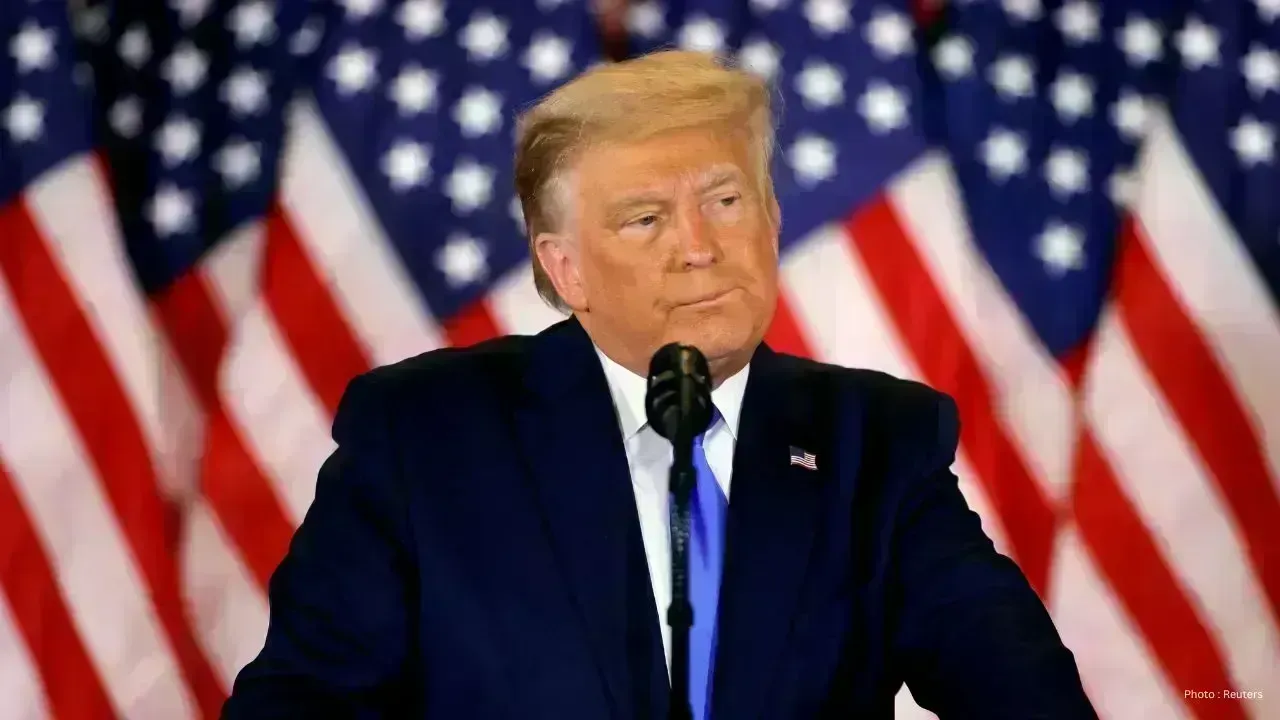
U.S. President Donald Trump has delivered a pointed message to Iran, issuing threats of serious consequences if the nation does not reopen the Strait of Hormuz, a vital global maritime corridor. This announcement coincided with disclosures about a perilous operation to rescue a downed American military aviator.
Through various social media posts, Trump indicated that the U.S. might target critical Iranian infrastructures such as power plants and bridges if the strait remains closed past the specified timeline. The Strait of Hormuz serves as one of the global oil and gas transportation routes, thus any halting of its traffic could significantly disrupt international markets and energy prices.
This warning came in the wake of a military operation that saw U.S. forces conduct a rescue of a wounded pilot whose aircraft had crashed within Iranian borders. Sources from the U.S. stated that this mission required significant coordination and risk management involving multiple aircraft. One crew member was swiftly retrieved, while another underwent an extensive search effort for rescue.
Reports indicate that the operation utilized several aerial vehicles and necessitated intricate planning to minimize additional losses. Certain U.S. officials hinted at technical difficulties that could have led to the downing of some aircraft, while Iran has claimed responsibility for those incidents. The specifics are murky, with both sides delivering contrasting accounts of what transpired.
Tensions have escalated between the two nations since the onset of the current regional conflicts. Iranian officials have condemned Trump's remarks as confrontational, warning that any attacks on infrastructure could trigger further escalation. Moreover, Iran has threatened to hinder transportation through other crucial waterways, such as the Bab el-Mandeb Strait, integral to international commerce.
Simultaneously, diplomatic channels remain open as nations like Oman, Egypt, and Russia engage in dialogues aimed at diffusing tensions and ensuring safe navigation through critical shipping lanes. These discussions are centered on exploring solutions that avert further hostilities while promoting stability in global trade.
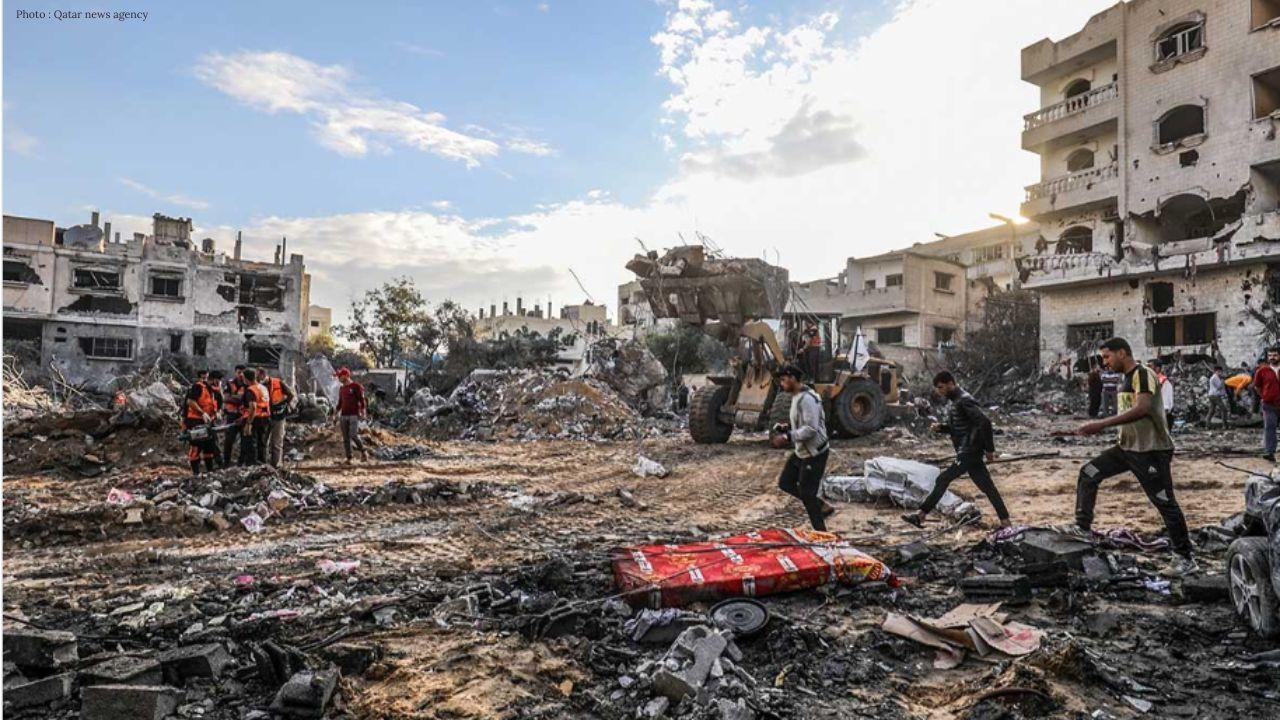
The atmosphere remains charged, with reports highlighting airstrikes and other assaults across different regions. Explosions have been noted in various parts of Tehran and surrounding cities, although details concerning the specific targets remain sparse. Damage to critical infrastructure, including power plants and oil facilities, has also been recorded in neighboring countries.
The ongoing unrest has already led to considerable casualties and displacements throughout the area, with thousands impacted, raising alarms about the humanitarian ramifications and wider global stability.
As events unfold, the international community is watching closely, with an increase in calls for restraint and diplomatic resolution. The next few days are pivotal in determining whether tensions will subside or spiral even higher.


 English