Post by : Saif
Al-Najjar
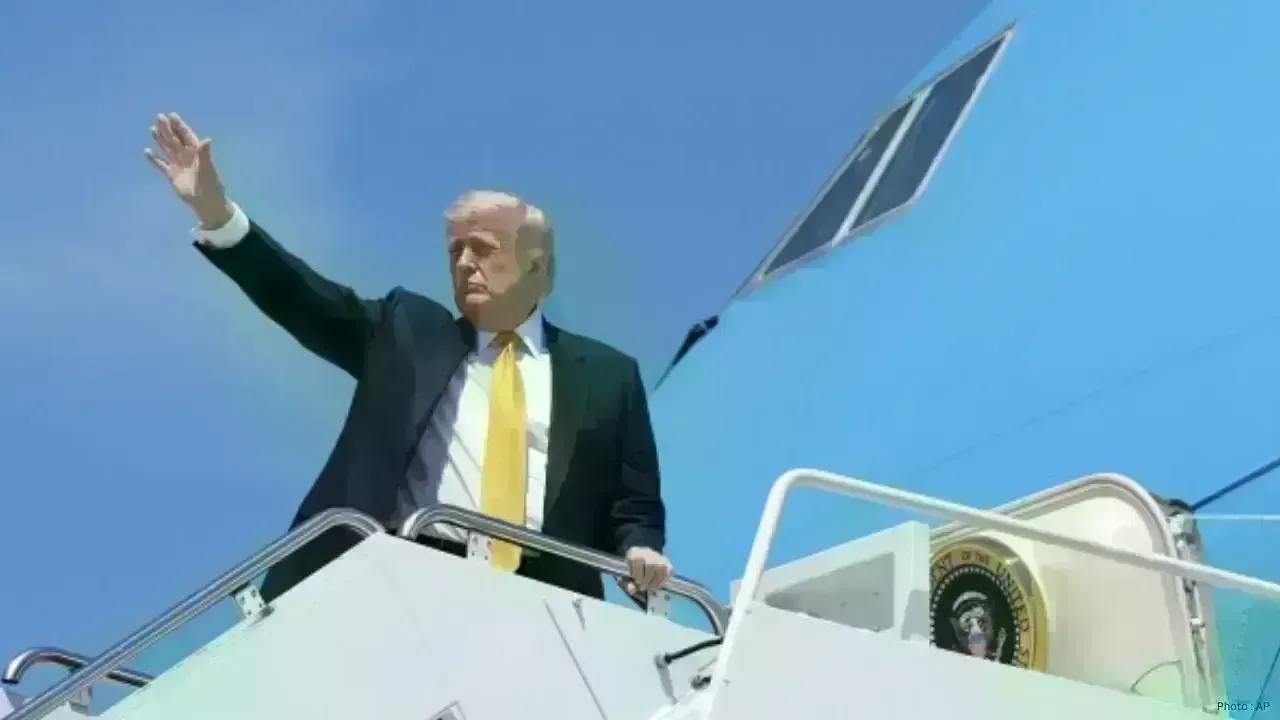
The summit between Donald Trump and Chinese President Xi Jinping in Beijing stands as one of the year's pivotal diplomatic engagements. This meeting unfolds during a period of heightened strain in U.S.-China relations, particularly over trade, technology, Taiwan, and overarching security matters.
On his visit to China, Trump aims to strengthen economic partnerships and alleviate the pressures of global turmoil, inflation, and ongoing geopolitical conflicts. This trip marks a considerable return of U.S. presidential presence in China after several years of absence.
Anticipations are high for discussions covering a range of delicate issues, with trade topping the agenda. Both nations have endured years of tariff battles and an escalating economic rivalry that has ripple effects on global markets and business operations.
Despite previous agreements for temporary trade pauses, significant disputes linger unresolved. China encounters significant restrictions accessing advanced U.S. technology, while the U.S. expresses concerns regarding China's expanding economic and military capabilities.
Conversations are also expected to encompass technology and artificial intelligence. U.S. firms are advocating for broader access to Chinese markets, even as Washington continues to impose limits on technology exports to China.
Discussions about Taiwan will likely draw significant attention. China views Taiwan as part of its territory, whereas the U.S. continues to provide military and political support to Taiwan. The rise of tensions over Taiwan has escalated sharply in recent years, marking it as a critical flashpoint in U.S.-China relations.
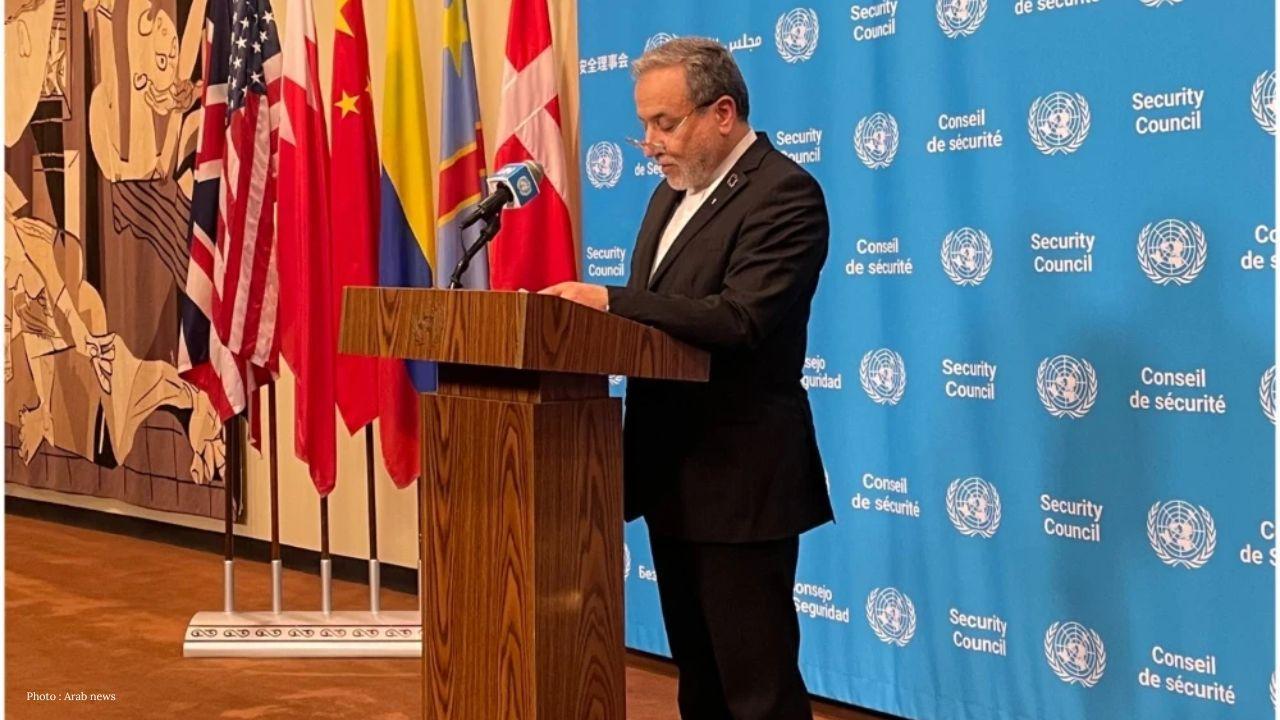
Moreover, global security concerns add urgency to the summit. Persisting tensions in the Middle East, especially involving Iran, have impacted oil prices and international markets. Observers believe China’s strong economic links with Iran could be pivotal in de-escalating these tensions.
Despite Trump's attempts to minimize differences with Xi before arriving, analysts argue that substantial challenges remain. The competition between the nations extends beyond trade to include military dominance, technological supremacy, and global diplomacy.
Both countries acknowledge the necessity of maintaining stable relations. As the world’s leading economies, serious conflict between the U.S. and China could disrupt businesses, supply chains, financial markets, and the daily lives of people across the globe.
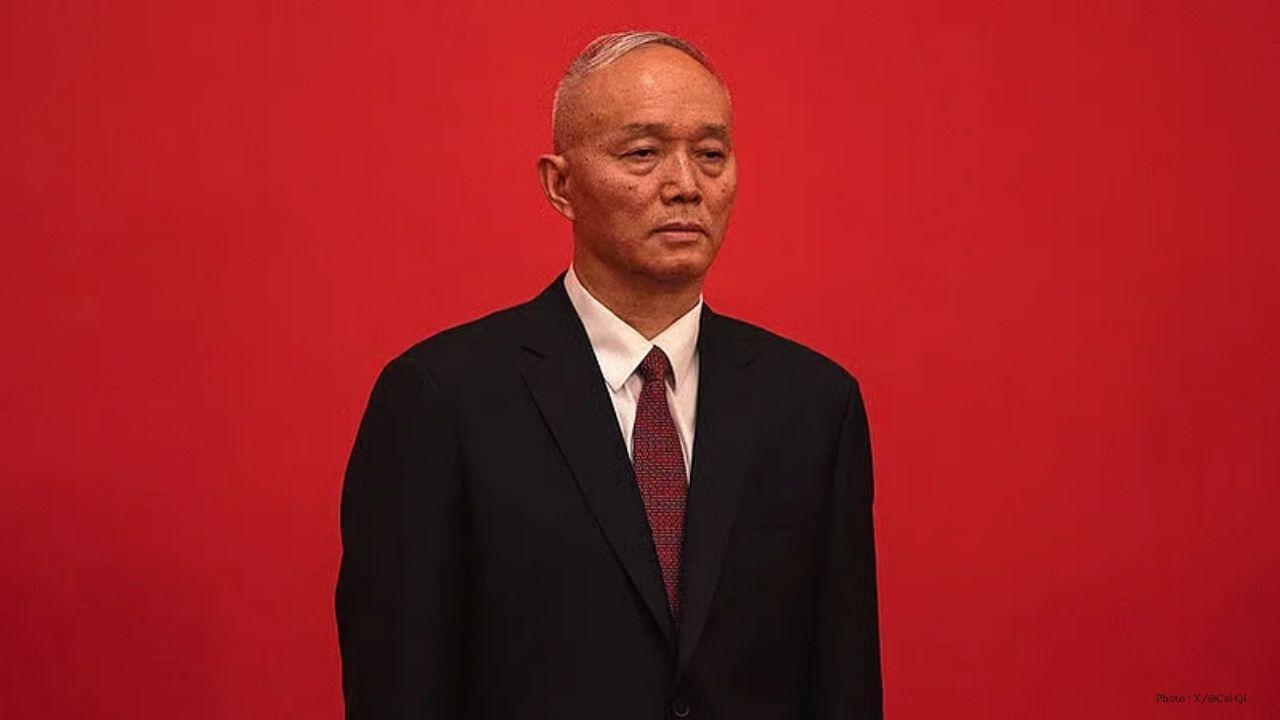
Chinese officials are poised to leverage this visit to project stability and robust diplomacy. Ceremonial events and significant official meetings have been organized to emphasize the summit’s importance.
For Trump, this summit carries domestic political implications as well. With persisting economic challenges and worldwide tensions, his administration is keen to derive favorable outcomes on trade and international collaboration.
Nonetheless, many experts forecast that substantial advancements are unlikely to emerge from the meeting. Instead, it may focus more on preventing escalating tensions and ensuring channels of communication remain open.


 English