Post by : Shweta
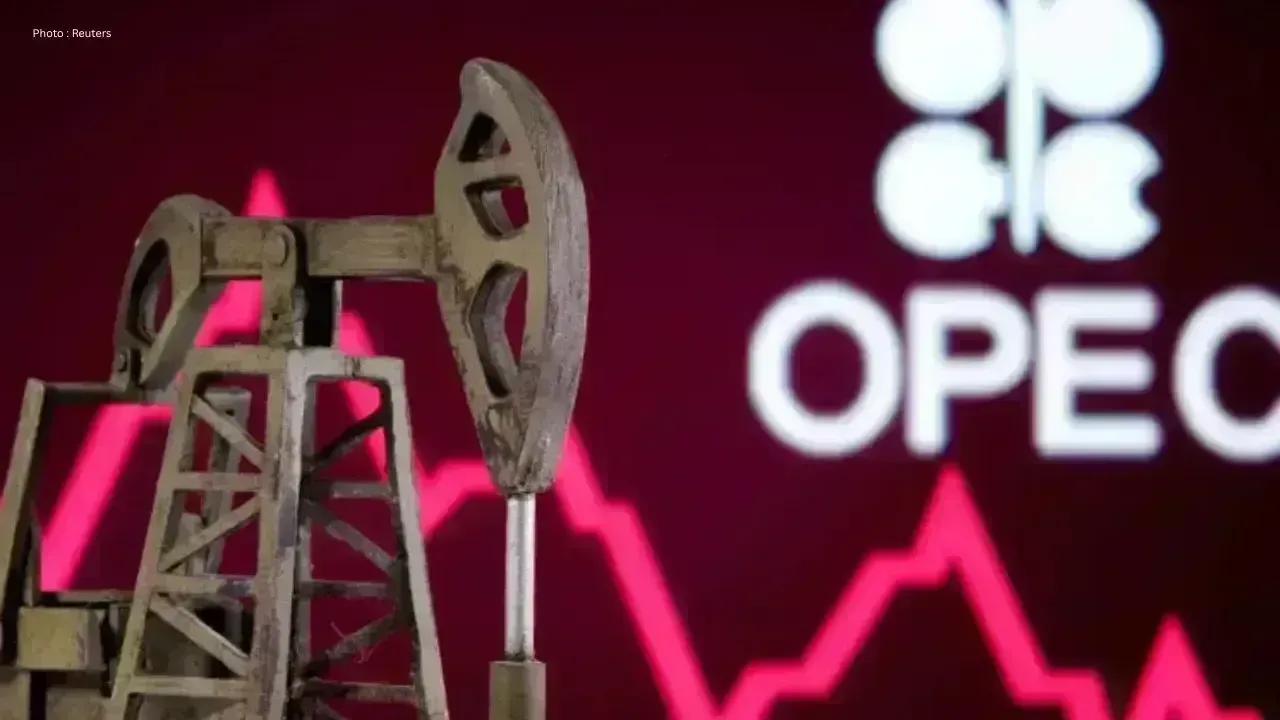
The United Arab Emirates has announced its departure from the Organization of the Petroleum Exporting Countries (OPEC) and the broader OPEC+ coalition, effective May 1, 2026. This decision concludes nearly six decades of association with one of the world's key oil governing bodies, signaling a pivotal moment in energy geopolitics and evolving relationships within the Gulf region.
Officials from the UAE highlighted that this strategic withdrawal follows a comprehensive assessment of the nation's long-term economic and energy frameworks. They emphasized that Abu Dhabi seeks increased autonomy in oil output and a more agile response to shifting global energy needs. This measure is also interconnected with the nation’s ambitious economic aspirations, which include enhancing investments in energy, trade, infrastructure, and renewable initiatives.
In a formal declaration, the UAE government reaffirmed that this decision aligns with national interests and future growth objectives. Authorities reiterated their commitment to fostering stability in international energy markets while responsibly meeting global oil demand. Even post-departure, the UAE plans to collaborate with global allies to ensure balanced energy supplies.
The UAE's journey with OPEC began in 1967 through Abu Dhabi, predating the establishment of the federation in 1971. Over the years, the UAE emerged as a key player within the organization, ranking as its third-largest producer, following Saudi Arabia and Iraq. Recent years have seen increasing discord over production limits, particularly as Abu Dhabi endeavored to augment its output capacity.
Currently, the UAE is capable of producing nearly five million barrels of oil daily; however, OPEC+ restrictions have kept actual production significantly lower. Officials have expressed concerns that such limitations are hindering the full utilization of the nation’s production and investment infrastructure. The government has consistently sought the flexibility to adjust its output based on market dynamics and strategic forecasting.
This decision also underscores the intensifying rivalry between the UAE and Saudi Arabia regarding regional influence and economic authority within the Gulf. While Saudi Arabia typically advocates for tighter oil supply to bolster global prices, the UAE has frequently leaned towards increasing production and enhancing market presence. Although leaders from both nations have publicly downplayed tensions, analysts suggest that disputes over oil strategy and regional leadership have become more pronounced.
The timing of this announcement drew worldwide attention, coinciding with a significant Gulf Cooperation Council session held in Jeddah. Chaired by Saudi Crown Prince Mohammed bin Salman, the summit saw the UAE represented by Foreign Minister Sheikh Abdullah bin Zayed Al Nahyan. During discussions, UAE Energy Minister Suhail Al Mazrouei referred to Saudi Arabia as a “brotherly state” and commended regional collaboration, yet the announcement of the OPEC exit stirred concerns regarding the future of Gulf cooperation.
Experts in energy foresee that the UAE's withdrawal might diminish OPEC’s clout in the global oil landscape. Historically, the organization has depended on unity among major producers to manage supply and stabilize pricing, and the exit of one of its wealthiest members may inject additional unpredictability into already volatile international energy markets influenced by geopolitical situations and risks across the Strait of Hormuz.
The ramifications of this move could extend beyond the Gulf region, notably impacting countries like India, which have established robust energy partnerships with the UAE. Indian enterprises have vested interests in various UAE oil fields, and bilateral economic agreements have significantly bolstered trade between the two nations in recent years.
In pursuit of enhanced independent global economic interactions, the UAE has recently finalized trade agreements with several nations, including India. Leaders in Abu Dhabi are convinced that achieving greater control over oil production will underpin sustainable growth and reinforce the UAE's stature as a vital global energy and investment center.
As the UAE gears up to officially exit OPEC+, analysts forecast that this decision heralds a new chapter in Middle Eastern energy politics. This move could realign alliances within the oil sector and reshape how major producers manage global supply and pricing in the forthcoming years.


 English