Post by : Anis
Al-Rashid
The Global Shift Towards Unconventional Travel
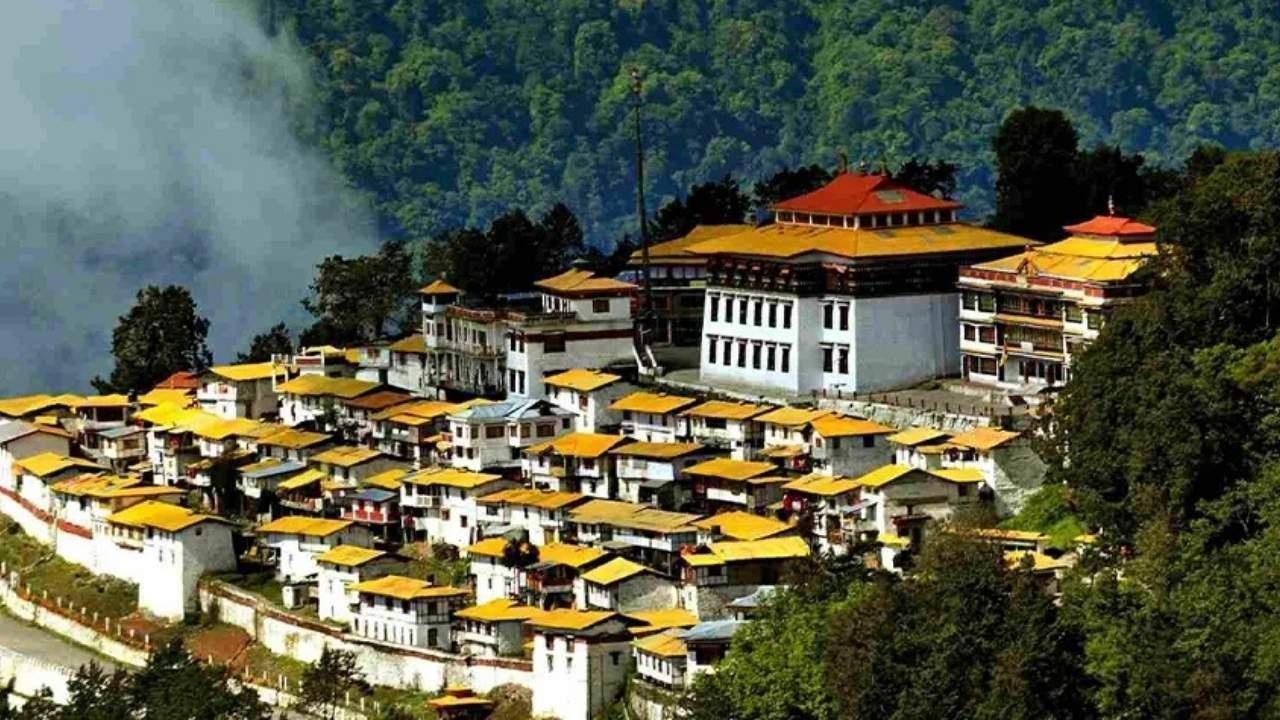
Travel preferences worldwide have transformed significantly. A growing number of millennials and Gen Z travelers now seek immersive experiences that mainstream locations cannot offer. These explorers desire personal, authentic journeys, leading to the increased popularity of once-overlooked regions. Northeast India, long admired for its natural beauty yet underexplored due to infrastructure challenges, is now garnering attention.
Today, Northeast India embodies a unique blend of untouched landscapes, vibrant cultures, and sustainable tourism, appealing to visitors who yearn for journeys that transcend the usual checklist and overcrowded landmarks. This stunning region features unspoiled valleys, tribal communities, rich biodiversity, clear rivers, sacred groves, distinctive bamboo structures, local cuisine, and ancient traditions—all creating a rediscovery of adventure that modern tourists cherish.
The diverse offerings, including slow travel, heritage exploration, and ecological awareness, make off-beat destinations in Northeast India a sought-after choice among travelers striving for authenticity.
Northeast India’s Emergence as an Off-Beat Travel Favorite
The rise of Northeast India as a destination of choice is deliberate, responding to cultural, social, and emotional trends influencing modern travel preferences.
In an era where tourists shy away from commercialized spots, they are now drawn to serene, sustainable places offering genuine interactions and a lively environment. Northeast India delivers precisely that—raw, unfiltered, and deeply connected to nature.
Geographically compact, the region features an array of experiences, allowing tourists to journey from misty hilltops to tribal villages, from lush river islands to dense forests within hours. This multilayered experience adds excitement and a delightful unpredictability to their travels.
The Appeal of Authentic Culture and Indigenous Encounters
There's a magnetic appeal to Northeast India’s off-beat sites driven by intimate cultural encounters. Unlike bustling tourist regions, where traditions are often commercialized, the Northeast showcases its heritage authentically.
The indigenous communities of Nagaland, Arunachal Pradesh, Mizoram, Manipur, and Meghalaya maintain rich cultural legacies, from traditional dances and woven textiles to architectural marvels and indigenous festivities. Visitors are captivated by this blend of ancient roots and respectful modern evolution.
Villages like Khonoma in Nagaland, Mawlynnong in Meghalaya, Ziro in Arunachal Pradesh, and Vanchengpui in Mizoram act as living museums, where traditions are experienced rather than merely observed. Homestays enable tourists to indulge in local cuisine, engage in traditional cooking, glean insights into agricultural methods, celebrate local festivals, and understand community dynamics—experiences absent in typical tourist hubs, marking the Northeast as a cultural gem.
The Unspoiled Nature: A Sublime Biodiversity Experience
One compelling reason behind the rising interest in off-beat travels is the pristine environment of Northeast India. This natural paradise boasts some of Asia's most varied ecosystems, featuring tropical rainforests, high-altitude pastures, dense bamboo plantations, rain-soaked mountains, river islands, karst landscapes, and undisturbed wetlands.
Destinations like Dzukou Valley, Mawphanlur, Unakoti, Mechuka, Longwa, Dawki, Yanaeng, Garo Hills, and the Dibang Valley present archaeological remains untouched by mass tourism. Their tranquility is far from empty; it invites meditation and reflection. For city-dwelling travelers overwhelmed by pollution, congestion, and noise, visiting the Northeast is akin to rejuvenation.
The region attracts researchers, wildlife enthusiasts, hikers, photographers, and nature lovers seeking untamed, genuine landscapes. Its living root bridges, sacred woods, unique orchids, wild herbs, and distinctive flora and fauna form an ecological haven.
The Surge of Slow Travel and the Northeast’s Complimentary Fit
Slow travel is gaining global traction. Tourists are moving away from rushed itineraries toward deeper connections with their surroundings—with a desire to stay longer, breathe deeply, observe nature, converse with locals, and forge a relationship with their itinerary.
Northeast India embodies this approach.
Its scenic drives encourage unhurried exploration, with homestays fostering cultural exchanges. Local food, prepared traditionally with regional ingredients, reflects the region’s essence, inviting travelers to disconnect from their fast-paced lives.
This slow-paced trend resonates with travelers aiming for psychological healing from exhaustion, digital burnout, and urban stress, creating an inviting sanctuary.
Adventure Tourism and Embracing Uncharted Paths
Adventure enthusiasts increasingly seek untouched trails without hordes of previous explorers. The Northeast delivers unprecedented thrills.
Adventures such as trekking in Dzukou Valley, river canyoning in Meghalaya, paragliding in Sikkim, exploring caves in Jaintia Hills, traversing hanging bridges in Arunachal Pradesh, and biking through rugged terrains promise excitement with significance. The fusion of ancient forests, mysterious caves, and untamed rivers enhances the adventure.
For those seeking a unique escape from crowded tourist spots, the Northeast’s topography proves unrivaled. Every path tells a story, and every view represents a fresh discovery.
The Temptation of Local Food: A Culinary Culture Rooted in Freshness
Gastronomy in the Northeast is a substantial draw for off-beat tourism. Rejecting the heavy spices often seen in mainstream Indian kitchens, Northeastern cuisine centers around fresh ingredients, understated seasonings, smoked flavors, fermented elements, and native greens.
Travelers are enchanted by novel dishes featuring bamboo shoots, black rice, axone, roselle leaves, fresh herbs, wild mushrooms, smoked meat, and freshwater fish, promising a refreshing change from conventional curries.
Each Northeastern state boasts its unique culinary heritage, allowing foodies to experience distinct flavors—from Ziro’s smoked pork to Manipur’s chak-hao sweets, Assam’s tenga dishes, Meghalaya’s jadoh, Arunachal’s thukpa, and Mizoram’s bai—encouraging culinary journeys rooted in authenticity rather than mere imitation.
The Emotional Connection to Untouched Places
A subtle motivator for travelers venturing to off-beat locations is the emotional bond they form with unspoiled terrains. Amid crowded beaches and bustling tourist traps, many seek solitude.
Off-beat sites in the Northeast provide a rare gift—the sensation of discovery. The joy of stumbling upon a secluded riverbend, a quiet viewpoint, or a village living in harmony with nature creates lasting memories.
These moments yield personal narratives that travelers cherish well after their return home, due to the authenticity of their experiences.
Emphasizing Sustainability and Responsible Travel
The Northeast emerges as a beacon of eco-friendly tourism. Many lesser-known sites promote community-centric tourism, where local families manage homestays, oversee trekking paths, preserve natural habitats, and safeguard cultural traditions. This model ensures that tourism benefits both the local population and the environment.
Travelers prioritizing sustainability often favor regions that respect their natural heritage. The Northeast’s environmentally-friendly initiatives—minimal plastic usage, natural building methods, organic farming, watershed protection, and forest conservation—align well with this eco-friendly ethos.
This responsible approach fosters an inclusive atmosphere, inviting tourists to engage in a collective mission.
Infrastructure Progress and Enhanced Accessibility
Despite its rugged landscapes, the Northeast has witnessed significant advancements in road connectivity, airports, and homestay facilities. This growth attracts travelers seeking exploration without facing undue challenges.
With comfortable accommodations, local guides, shared transport options, mobile connectivity, and organized itineraries, off-beat travel has become accessible while retaining the region's stunning charm. This blend of accessibility and authenticity remains a pivotal reason for the upsurge in tourism.
Why Tourists Will Continue to Gravitate Towards the Northeast
The Northeast boasts what contemporary life often lacks—purity. Unblemished nature, genuine cultures, authentic food, and sincere human interactions satisfy travelers' deep yearning for simplicity, adventure, significance, and tranquility. These are enduring trends in global travel behavior.
People are returning enthusiastically to the Northeast, delving deeper into its essence, extending their stays, sharing experiences with friends, and discovering new treasures with each visit. The region continues to unfold its beauty beyond the limits of a single trip.
Amid a rapidly progressing world, the Northeast remains rooted in authenticity, making it a consistent favorite among travelers.
Conclusion
The emergence of Northeast India as a sought-after off-beat travel destination signifies a broader movement towards immersive, sustainable, and meaningful travel experiences. With landscapes that feel pristine, living cultures, honest food, and profoundly emotional journeys, the Northeast caters to a traveler’s desire for connections and transformation.
Today’s travelers seek more than just places; they yearn for narratives, bonds, and personal evolution. The Northeast facilitates these desires seamlessly. As global travelers continue to search for genuine experiences to escape chaos, the region’s allure will only intensify.
Disclaimer:
This article reflects current travel trends, experiential observations, and cultural insights. Readers should verify local guidelines, weather conditions, and travel necessities before planning their journey.


 English