Post by : Anis
Al-Rashid
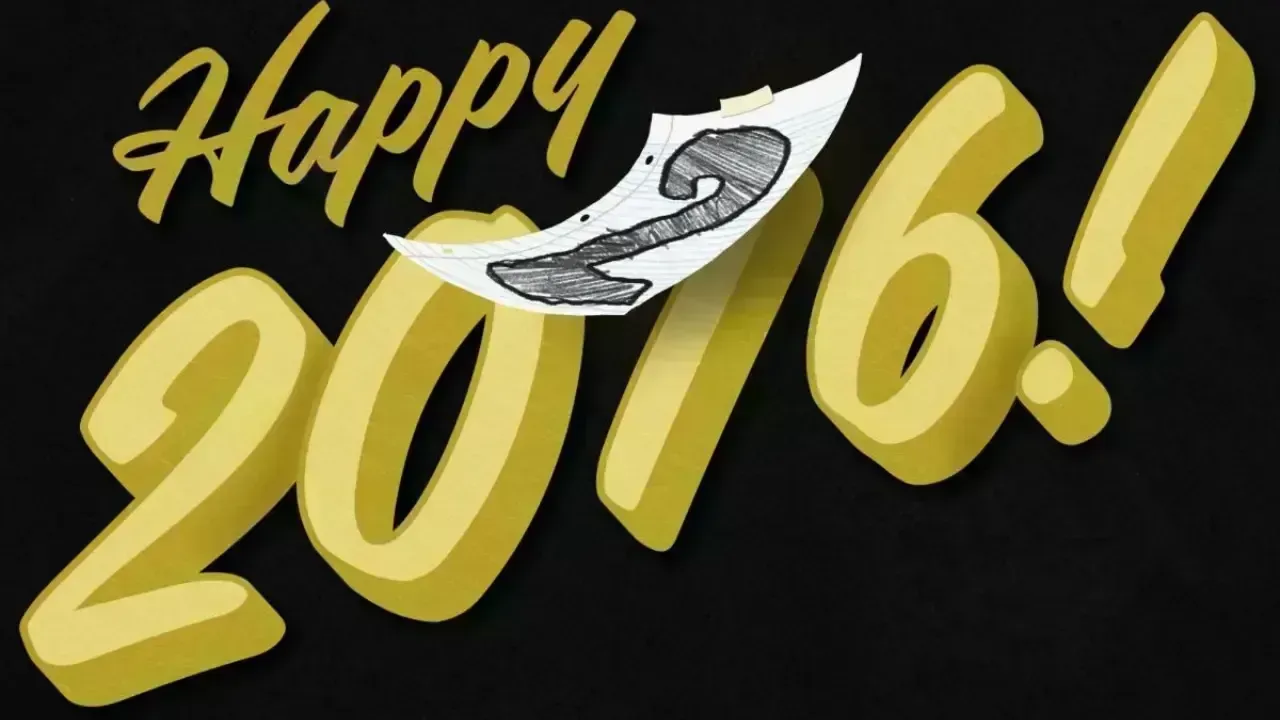
A Roaring Return to 2016
If you scroll through your social media feeds in 2026, you’ll often come across a recurring sentiment: “2026 echoes 2016.” This phrase pops up in memes, music playlists, fashion trends, and comment sections on viral content. The comparison isn't mere coincidence; for millions worldwide, 2016 is seen as a cultural zenith—a time when online interactions were light-hearted, global tensions felt manageable, and digital life was engaging instead of burdensome.
Labeling 2026 as the new 2016 has transcended meme status. It’s a nostalgia-infused cultural phenomenon influenced by generational experiences, emotional exhaustion, and a yearning for a period considered simpler and more genuine. To grasp the depth of this sentiment today, we must investigate the emotional power of 2016 and why 2026 is striking the same chord.
The Cultural Significance of 2016
The Last of the 'Carefree' Internet
For many, 2016 marks the end of an era dubbed the carefree internet. Social media felt less commercial, algorithms weren’t as overpowering, and online engagements were spontaneous rather than curated.
Platforms like Vine were alive with absurd, unmonetized humor, while Instagram remained personal and unfiltered, filled with organic rather than manufactured content.
This nostalgia starkly contrasts with the algorithm-reliant and commercialized nature of the early 2020s.
A Global Pop-Cultural Unity
2016 was unique in its collective experience of culture. Music, memes, and games transcended borders, creating a shared global moment.
-
Pokémon Go transformed public spaces into shared experiences.
-
International pop music reigned supreme across charts.
-
Memes fostered connection, unlike the divisive culture seen today.
This collective joy forged emotional ties that many return to when reflecting on better days.
The Psychology Behind 2026's Nostalgia Rush
Generational Imprint
Nostalgia often peaks around late adolescence and early adulthood. For younger Millennials and Gen Z, 2016 was formative—during their school years, college escapades, first jobs, and newfound freedoms.
As they reach 2026, these generations face economic challenges, career uncertainties, and ongoing global issues. It's natural to reminisce about times associated with emotional safety and clarity.
Thus, 2016 becomes more symbolic than historically accurate.
Emotional Recovery After Crisis
The years 2020 to 2024 were marred by crises: pandemics, wars, inflation, and relentless online conflicts. Psychologists note that nostalgia often spikes after stress.
In 2026, a collective emotional recovery is evident. People aren’t just moving ahead; they are also looking back for reassurance. Comparing the present to 2016 serves as a shorthand for “life before burdens became overwhelming.”
How Social Media Fuels the 'New 2016'
Algorithmic Nostalgia Boost
Today's platforms promote emotionally resonant content. Nostalgia thrives due to its ability to evoke memories and comfort.
Platforms like TikTok and Instagram have seen an upsurge in:
Successful videos receive algorithmic boosts, creating the impression that everyone shares the same nostalgia—perpetuating the trend.
Recycling Without Context
For many engaging with 2016 nostalgia, the memories are not personal but rather mythic. They consume curated highlights stripped of their complex context, rendering the era seemingly simple and universally positive.
Music: The Prime Trigger of Nostalgia
Resurgence of 2016 Hits
Streaming services show a marked revival of music from 2014 to 2017. Titles like “2016 energy,” “summer 2016,” and “we didn’t know we were happy” dominate platforms like Spotify.
This music is linked to:
When these songs resurface in 2026, they resonate with comfort and nostalgia.
Old Sounds in New Music
In 2026, many artists are drawing inspiration from mid-2010s pop, featuring tropical house beats and catchy hooks. This is no coincidence; artists realize the power of nostalgia, leading to a feedback loop where new music evokes 2016.
Fashion and Aesthetic Revival
Championing 'Unfiltered' Styles
Fashion trends in 2026 are reflecting styles reminiscent of 2016, showcasing:
This shift away from ultra-curated luxury aesthetics indicates a quest for authenticity.
Decline of Maximalism
The early 2020s were characterized by intense visual trends—vivid colors and aggressive self-branding. In contrast, nostalgia for 2016 suggests a preference for visual simplicity.
People are choosing styles that provide a respite from sensory overload.
Internet Culture and Memes in Revival
From Absurdity to Simplicity
The meme scene in 2016 was marked by playful absurdity devoid of heavy political undertones. By 2026, meme fatigue prevails, with audiences seeking relief from discourse-driven humor. The return of surreal memes mirrors the lightheartedness of 2016.
Feeling Over Meaning
Today's trends prioritize an emotional resonance rather than meaningful content. This aligns with nostalgia's engagement potential.
A Critical Comparison: 2026 vs. 2016
Significant Differences
Despite emotional similarities, the reality of 2026 varies significantly:
-
Platforms are now more commercialized
-
Attention spans have dwindled
-
Global instability is on the rise
-
Digital surveillance and monetization are omnipresent
Thus, the comparison is anchored in emotional truths rather than factual parallels.
Why Nostalgia Resonates
The phrase “2026 is the new 2016” serves as a coping mechanism, allowing individuals to view the present with hope rather than despair—signifying optimism while acknowledging challenges.
The Commercialization of Nostalgia
Brands Catching the Wave
In 2026, marketing strategies are increasingly drawing on mid-2010s culture, employing retro styles and nostalgic sounds. Brands find that nostalgia eases consumer hesitation.
The Perils of Overexposure
There's a delicate balance between offering comfort and hindering innovation. If nostalgia dominates, creativity could stall, echoing historical patterns where nostalgia cycles collapse under their own weight.
Society's Reflection in This Trend
Yearning for Emotional Clarity
The allure of this trend indicates a widespread sense of exhaustion. Individuals aren't yearning for an idyllic past; instead, they're seeking a time that felt manageable.
This narrative mirrors a collective desire to reconnect, slow down, and alleviate pressure.
A Movement Toward Change
Rather than merely looking back, the nostalgia for 2016 suggests a transitional phase. Cultures often reflect before reestablishment.
Final Thoughts: Nostalgia as Reflection
The assertion that “2026 is the new 2016” is not about resurrecting the past; it's about navigating the present. This trend encapsulates the convergence of emotional nostalgia, generational identity, and digital fatigue into a collective understanding.
Regardless of its longevity, this wave of nostalgia reveals an essential truth: people crave joy absent of irony, connection free from performance, and meaning devoid of excess.
In this context, nostalgia becomes a lens for reflection rather than a means of escape.
Disclaimer:
This article investigates cultural phenomena based on observed online behaviors and discussions. Interpretations may change as platforms, audiences, and global dynamics evolve.


 English