Post by : Anis
Al-Rashid
Impact of the Recent Health Advisory on Travel Plans
A recent regional health advisory has led numerous travelers to reassess their travel preparations. Designed not to deter travel, but to improve awareness and equip individuals for anticipated and unforeseen circumstances, the advisory stresses the importance of safety, hygiene, and readiness ahead of their journeys. With seasonal illnesses on the rise and fluctuating weather patterns, it is imperative that travelers implement the recommended strategies for a safer trip.
Discussion forums, social groups, and workplace chats have exploded with inquiries since the advisory was issued:
“Should we wear masks again?”
“What documents are necessary?”
“Which areas should we avoid?”
“Is travel insurance important now?”
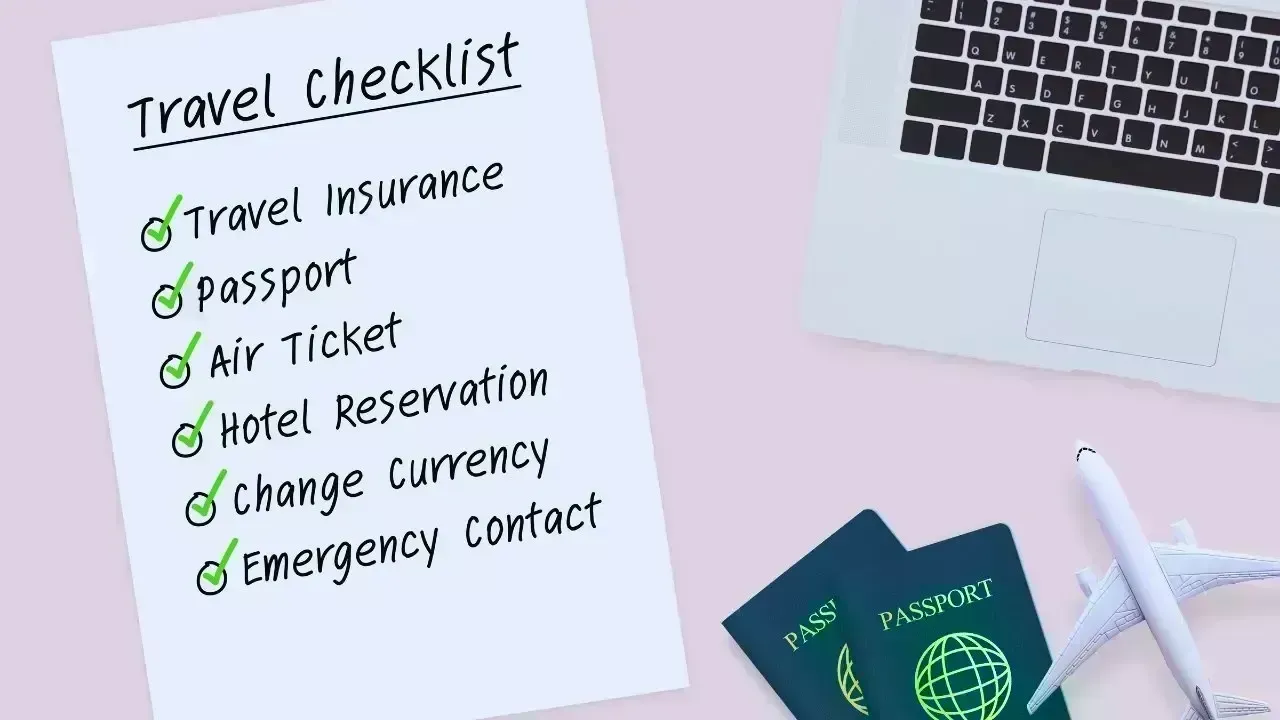
In response, many travelers have restructured their travel habits with a practical checklist that reflects the new guidance. Here’s a rundown of the essential steps for those traveling this week or soon, ensuring a more organized and informed experience.
Key Points from the Health Advisory
The advisory focused on three main themes:
1. Heightened Risk of Seasonal Illness
An increase in respiratory infections has prompted travelers to adopt necessary precautions.
2. Specific Area Outbreaks
Certain regions have reported elevated case counts, advising travelers to exercise caution in these locales.
3. Reinforcement of Safety Protocols
Public areas such as airports and transit hubs are expected to align with updated hygiene protocols.
The intention behind this advisory is not to instill fear but to promote preparedness.
The Essential Checklist for Travelers
1. Required Health Items
This week, travelers are advised to carry a health kit containing:
These items enable travelers to manage minor ailments without the stress of sourcing supplies in unfamiliar places.
2. Important Travel Documents
Keeping essential health and identification documents is vital, including:
Having these documents on hand streamlines check-in processes and alleviates tension during travel.
3. Pre-Trip Health Assessment
Conducting a self-check prior to departure is an essential step:
Any fever in the last two days
Present cough or cold symptoms
Unusual tiredness
Recent contact with an ill individual
Recent doctor visits
Assessing overall readiness for travel
The focus is on responsible travel, minimizing strain instead of restricting movement.
4. Awareness of Local Guidelines
Before traveling, individuals should verify:
This preparation minimizes surprises and aids in smoother travel experiences.
5. Hygiene and Personal Security Packing
Travelers are advised to include hygiene products for additional comfort:
Extra tissues
Travel-sized soaps
Oils or balms for dry skin
Compact towels
Additional masks (if desired)
Sanitizing wipes for seating areas
Such essentials enhance comfort in shared environments.
6. Verifying Accommodation Safety
Before booking or checking in, confirm:
Many have contacted hotels for clarity on safety protocols.
7. Low-Risk Itinerary Adjustments
Travelers are choosing to adapt plans to ensure safety:
Planning intelligently is taking precedence over spontaneous decisions.
8. Focus on Nutrition and Hydration
The regional advisory underscored the importance of nourishment and hydration. Travelers are:
This vigilance helps combat fatigue and illness during trips.
9. Consideration of Travel Insurance
The advisory advocated for reviewing or obtaining travel insurance—especially effective during health advisories. Insurance provides security for:
This insight has seen increased engagement this week.
10. Mental Preparation
Travelers have embraced not just physical readiness, but mental readiness as well. This includes:
Anticipating minor modifications
Exercising patience in queues
Following guidelines
Staying composed in the face of sudden changes
This mental preparedness has become an integral aspect of travel planning.
Diverse Responses from Various Traveler Groups
Families with Kids
They have prepared by packing:
Additional sanitizers
Thermometers
Child-safe medications
Snacks to minimize stops
Solo Travelers
Their focus is on:
Senior Travelers
They pay special attention to:
Doctor consultations before trips
Bringing all necessary medications
Choosing less crowded routes
Business Travelers
Their priorities include:
This tailored approach ensures safety while optimizing travel experiences for all.
Popularity of the Updated Travel Checklist
The checklist gained traction for several compelling reasons:
Addressed genuine concerns
User-friendly
Reduced ambiguity
Budget-friendly options
Directly aligned with the advisory
Empowered travelers rather than instilling fear
These small but significant steps greatly ease the travel process.
The Broader Implications: A Shift Towards Responsible Travel
This week has signaled a transition toward more responsible travel practices among individuals. Travelers are exhibiting:
Greater awareness of surroundings
Increased consideration for others
Improved organization
Enhanced self-sufficiency
Increased health consciousness
This trend is likely to persist, as awareness of the advantages of preparedness continues to grow.
Final Thoughts
The regional health advisory served as a catalyst for more conscientious travel habits. Rather than hindering plans, it equipped travelers with the knowledge and readiness they needed for successful trips. The checklist developed as a response has proven invaluable in helping individuals travel securely and confidently while reducing stress during their journeys.
In an unpredictable world, small steps toward preparation can make a profound difference. No matter the purpose of travel—be it business, family, or emergencies—this guide ensures a safer, smoother experience.
DISCLAIMER:
This article is for informational purposes only, based on recent advisories. Travelers are encouraged to adhere to official health guidelines and seek personalized advice from professionals.


 English