Photo: Reuters
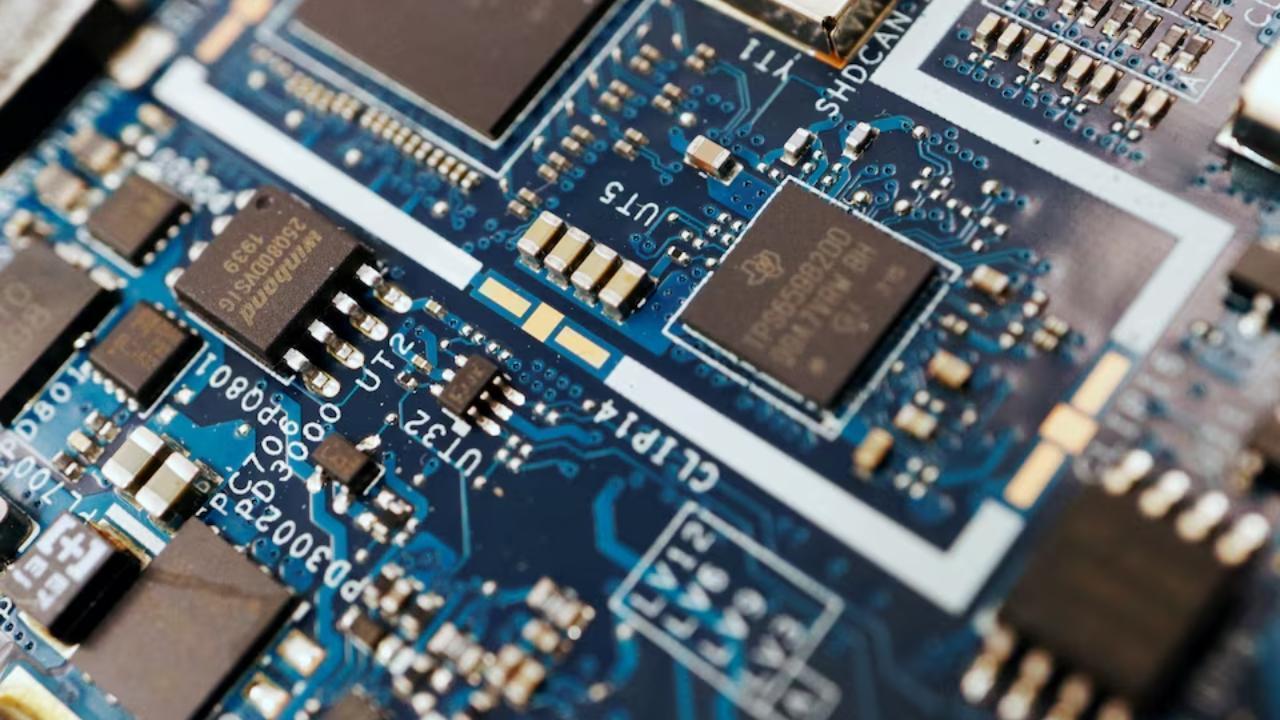
The United States is taking quiet but serious steps to stop the illegal movement of high-powered AI chips and servers into countries like China. Behind the scenes, U.S. agencies are secretly placing location trackers in shipments of these advanced technologies. These small tracking devices are helping the U.S. trace where certain shipments really end up—and to catch anyone trying to move them illegally.
Why Is the U.S. Doing This?
Since 2022, the U.S. has had strict rules about where powerful AI chips can be sent. These rules mostly affect exports to countries like China and Russia, where there are concerns about how such advanced technologies might be used—for example, in surveillance or military systems.
Even with these rules, some shipments still find ways around the restrictions. Often, they pass through countries like Malaysia or Singapore, only to end up in China or other restricted locations. These types of backdoor shipments are hard to track with paperwork alone.
So, U.S. officials have come up with a new plan—hiding tiny trackers inside the packages or the devices themselves. These trackers can report the real-time location of the shipment, so officials know if it ends up somewhere it shouldn’t.
How Do the Trackers Work?
Where Are They Placed?
The trackers are placed inside or along with servers and AI chips. Some go inside server casings, while others are hidden in the shipping boxes. The size of these devices can vary—some are as small as a coin, others as large as a smartphone. Their goal is simple: report the exact path the shipment takes after it leaves the factory.
Why Are They Useful?
These trackers allow the government to see if shipments are being rerouted without permission. If something looks suspicious—like a server shipped to one country suddenly ends up in another—they can take action. That could mean stopping future shipments, launching investigations, or arresting people involved.
Is This Legal?
This is not the first time the U.S. has used tracking tools like this. In the past, similar trackers have been used in shipments of airplane parts or sensitive electronics. Sometimes the government gets a judge’s approval before placing a tracker. In other cases, officials get special administrative permission. It depends on the type of item and how sensitive the case is.
Which U.S. Agencies Are Involved?
- Several key government agencies are believed to be involved in this effort, including:
- The Bureau of Industry and Security (BIS) – responsible for enforcing export controls.
- Homeland Security Investigations (HSI) – which deals with smuggling and national security.
- The FBI – which often leads investigations into sensitive technology leaks or smuggling networks.
- These agencies work together when it comes to protecting advanced U.S. technologies from falling into the wrong hands.
What Do Tech Companies Say?
- Some big tech companies have been named in these reports. Here’s how they’ve responded:
- Dell said it has no knowledge of any trackers being placed in its shipments.
- Nvidia, one of the biggest names in AI chips, stated clearly that it does not install trackers in any of its products.
- Super Micro, a company that makes servers, refused to comment on its internal security practices.
- AMD, another major chipmaker, did not respond to questions.
- So far, it seems that the companies themselves are not involved in the actual placement of trackers. This action is being taken directly by government agencies.
How Is China Responding?
China has not received any formal proof of these trackers, but it has raised concerns. Chinese officials accuse the U.S. of trying to slow down China’s progress by using export controls unfairly. They argue that these rules are designed to limit China’s access to technology, rather than for true security reasons.
China has also voiced suspicion that some U.S. tech products—especially chips made by Nvidia—may include hidden “backdoors.” Nvidia has strongly denied these claims, stating that its chips are secure and do not contain any secret access points.
Are Smugglers Aware?
Interestingly, some people involved in the resale of AI chips are already aware that trackers may be in the shipments. In recent court cases, U.S. investigators learned that some smugglers were being told to check packages for any sign of tracking devices.
This means the secret may not be so secret anymore. But it also shows just how high the stakes have become. As AI chips become more powerful, the fight to control where they go is becoming more intense.
What Does This Mean Going Forward?
Export Control Is Becoming Smarter
With trackers, the U.S. is moving beyond paperwork and border checks. Now, they can use real-time data to see where products are going. That’s a big upgrade in how export controls are managed.
AI Chips Are a Big Deal
These aren’t just any computer chips. The ones being tracked are extremely powerful—able to help train AI models that can be used for many things, from translation tools to military drones. Because of their “dual-use” nature (civilian and military), the U.S. is trying to keep them out of the wrong hands.
Smugglers May Get More Clever
Once smugglers realize shipments are being tracked, they may find new ways to hide their movements. They could try removing the trackers, repackaging goods, or shipping them through even more countries to confuse the trail.
Raises Legal and Ethical Concerns
Some people might be uncomfortable with the idea of governments secretly placing trackers in private shipments. While this tactic helps catch smugglers, it also raises questions about privacy and trust—especially if companies don’t know it’s happening.
To stop the illegal movement of powerful AI technology, the U.S. is now hiding small trackers in shipments of AI chips and servers. These tools give the government a way to trace the real journey of these devices—especially when smugglers try to move them to restricted countries like China. U.S. agencies like HSI, the FBI, and export authorities are believed to be behind this effort.
Tech companies like Dell and Nvidia say they are not involved and are unaware of the trackers. Meanwhile, Chinese officials criticize these actions as unfair trade restrictions. Smugglers, too, are now watching more carefully, knowing they might be tracked.


 English