Post by : Saif
Al-Najjar
A recent report from US intelligence agencies reveals an unexpected finding regarding Iran's nuclear ambitions. Contrary to expectations, the nation has not made any substantial progress towards developing a nuclear weapon since the onset of conflict. This conclusion raises pressing concerns about the effectiveness of military actions and the broader implications for international security.
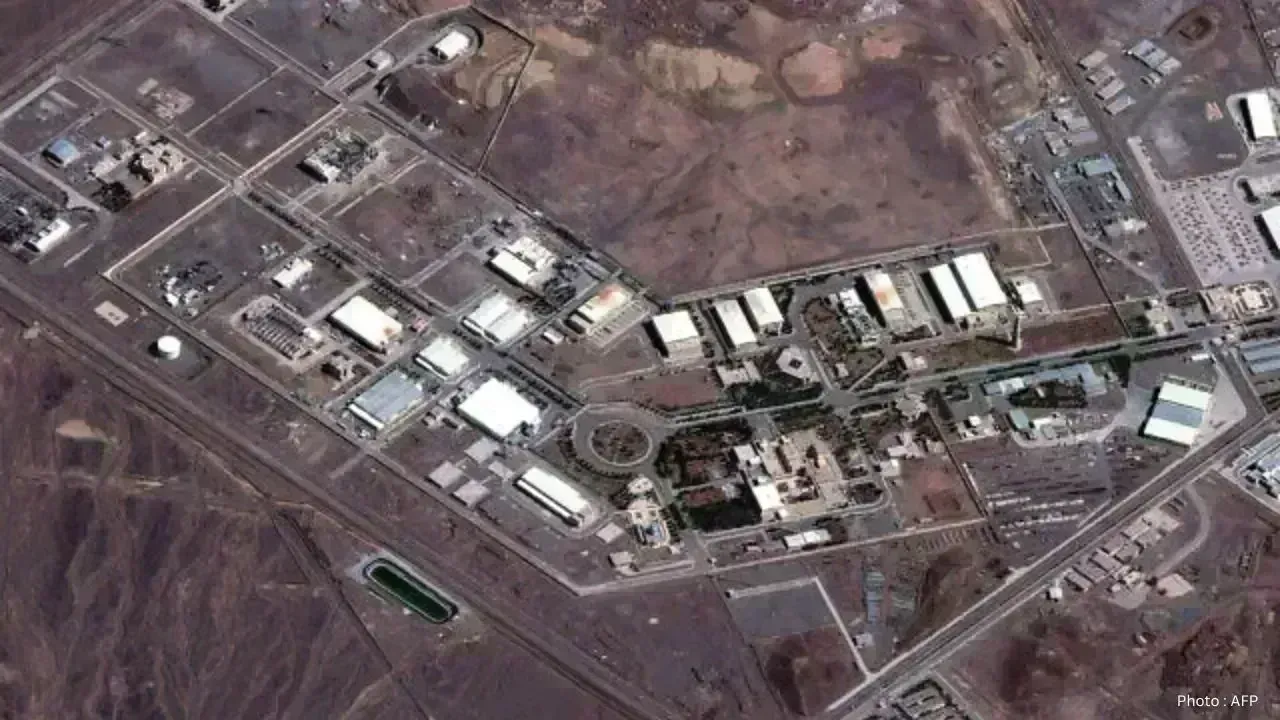
The ongoing hostilities involving the US and its allies were designed to impede Iran's nuclear initiatives. Key sites linked to nuclear development were targeted during the military operations, leading many to believe these strikes would considerably hinder Iran's advancements. However, current intelligence suggests that the situation remains largely unchanged.
Experts assert that Iran retains the same nuclear capabilities it had prior to the conflicts, which includes the necessary knowledge and materials to potentially create a nuclear weapon when deemed appropriate. This topic remains a focal point in global discussions, often highlighted in conversations regarding the Iran nuclear program leading up to 2026.
A significant factor in this scenario is how nuclear materials are safeguarded. Enriched uranium, crucial for nuclear weapons, is often stored in secure, concealed locations, many of which are situated deep underground, rendering them difficult to eliminate even under severe military action. Consequently, airstrikes may not fully avert nuclear progress.
It's important to distinguish between capability and intent. Although Iran possesses sufficient materials, clear evidence of an active nuclear bomb development program remains absent, leading to uncertainty and ongoing debates among world leaders.
This situation underscores the limitations of military intervention. While strikes can damage infrastructure and temporarily diminish progress, they cannot erase scientific expertise or technological skills. Once a state achieves a certain degree of development, halting its nuclear program entirely becomes exceedingly challenging.
Moreover, tensions within the Middle East have escalated, complicating the situation further. Rather than resolving the underlying issues, the conflict may have exacerbated them, raising fears that such actions could hinder collaboration and impede international oversight of nuclear activities.
There’s also a discrepancy between the narratives put forth by political leaders and those provided by intelligence evaluations. While some officials claim that threats have diminished, intelligence agencies offer a more nuanced, data-driven perspective, which can create public confusion.
Looking ahead, experts emphasize that renewed diplomatic efforts may be crucial. Dialogue and agreements have historically played a vital role in managing nuclear programs. Although not infallible, they can contribute to reducing risks and fostering stability.
There is also a chance that ongoing pressure and conflict could prompt nations to adopt more clandestine approaches or accelerate their nuclear programs instead of halting them.
This matter continues to represent a key global security issue, with terms like Iran nuclear program, US intelligence report, and Middle East tensions gaining traction as stakeholders strive to decipher the implications of these findings for the future.
The actions taken by global leaders will be instrumental in influencing prospects for peace and stability. As the situation evolves, the international community will be closely observing whether the response involves dialogue or further pressure.


 English