Post by : Shakul
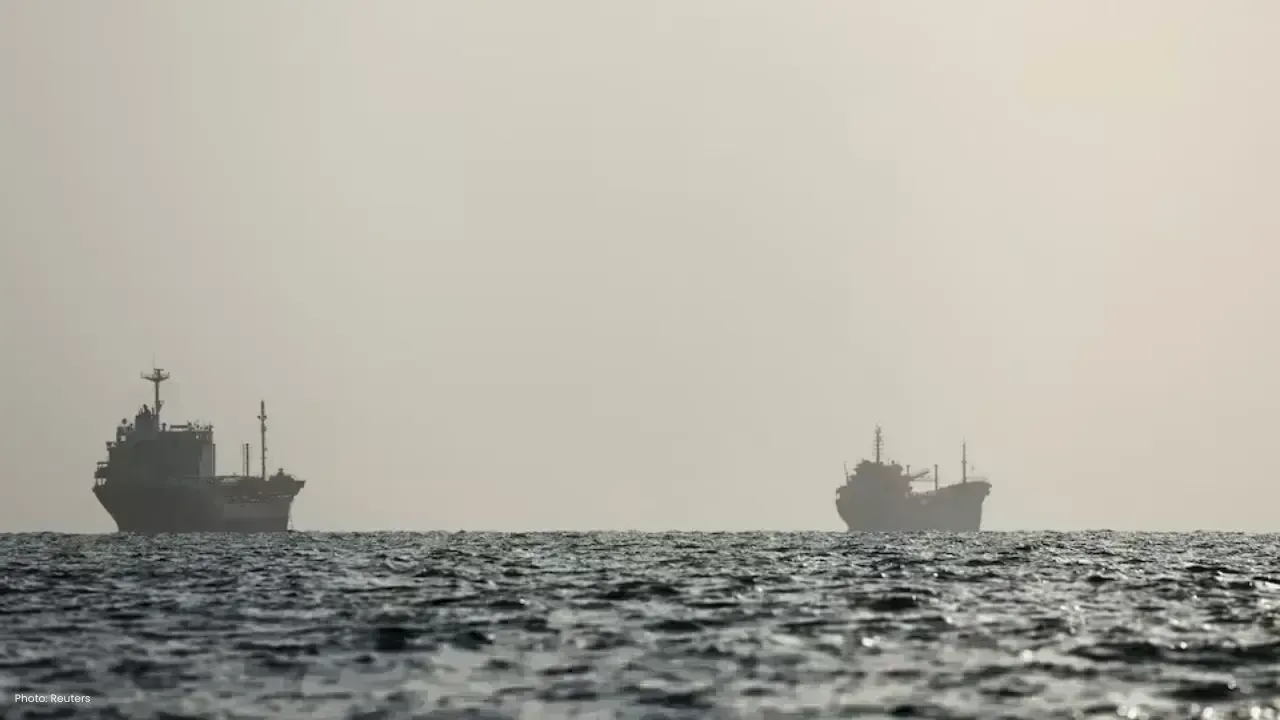
The U.S. military has executed what it refers to as “self-defense” strikes in south Iran, coinciding with seizefire discussions and diplomatic efforts between the nations. The operation targeted missile launch sites and vessels allegedly involved in naval mine placements near key waterways in the area.
Officials from the U.S. Central Command have stated that the airstrikes were aimed at safeguarding American forces from immediate threats posed by Iranian military units. Military spokesperson Captain Tim Hawkins emphasized the ongoing restraint shown by the U.S. despite growing tensions and the delicate nature of the ceasefire negotiations.
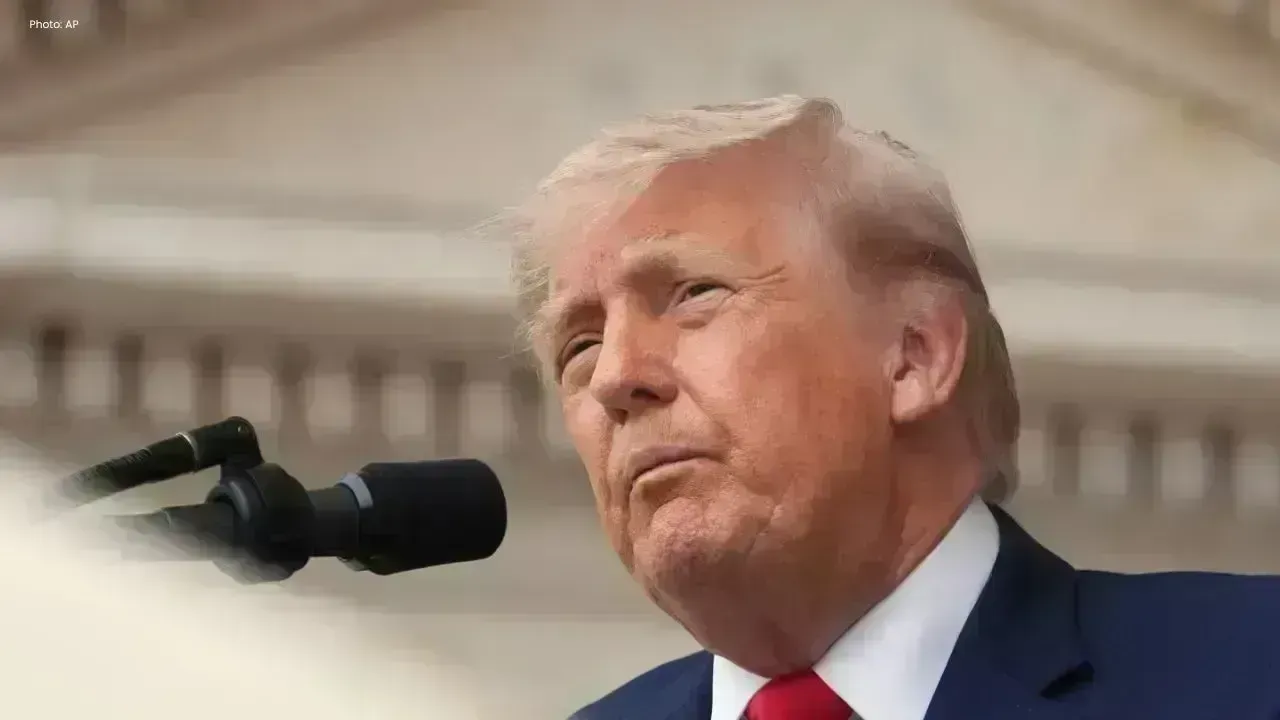
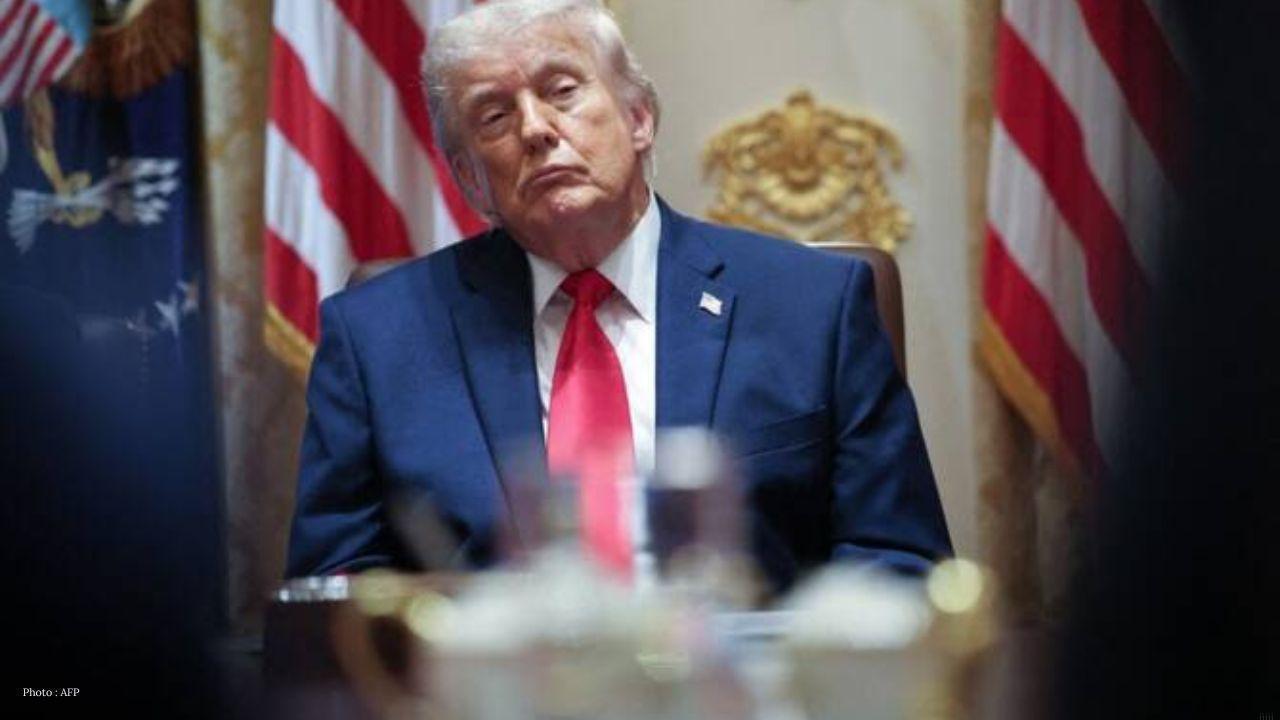
This military operation occurs during a critical juncture as Washington and Tehran engage in closed-door talks. Donald Trump indicated that discussions with Iran were “moving forward well” despite receiving reports of explosions in southern Iran. The strikes have sparked worries regarding potential military escalations that might jeopardize broader diplomatic efforts.
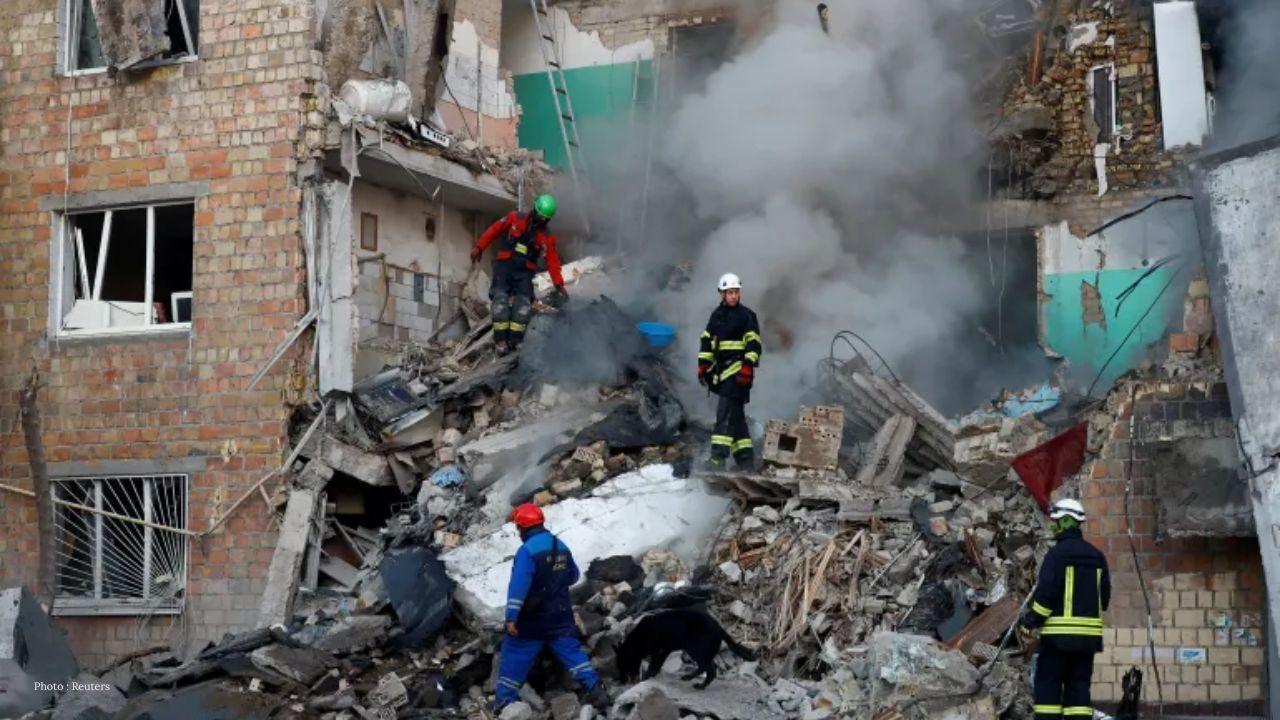
According to Iranian media, the strikes reportedly claimed the lives of at least four Revolutionary Guard members near Bandar Abbas, a pivotal port city along the strategic Strait of Hormuz. State television in Iran also reported hearing explosions in military zones, though no official acknowledgment regarding U.S. actions has been provided by Tehran.
The Strait of Hormuz is regarded as one of the world’s crucial maritime routes, facilitating a considerable share of global oil and natural gas exports. Analysts warn that any disturbances in this region could lead to instability in global energy markets and exacerbated economic challenges worldwide.
As diplomatic efforts persist, regional mediators like Qatar and Pakistan are actively involved. Iran is said to have dispatched parliamentary speaker Mohammad Bagher Qalibaf to Qatar for negotiations tied to the broader ceasefire discussions. Pakistan has become a significant intermediary in alleviating tensions between the U.S. and Iran.
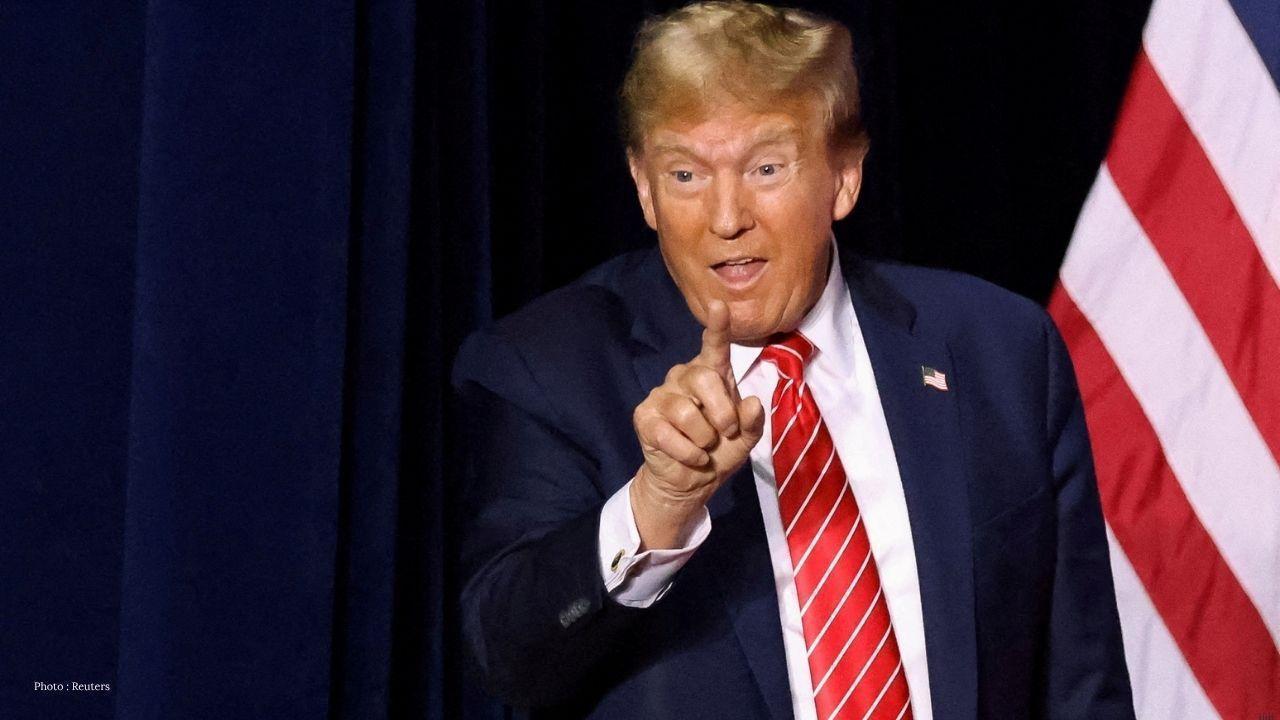
The situation has been further complicated by Trump suggesting that nations such as Saudi Arabia and Pakistan partake in the Abraham Accords for a prospective regional agreement. Introduced during his earlier presidency, these accords aimed to normalize diplomatic relations between Israel and multiple Arab nations.
Trump advocates for the inclusion of more nations in the accords in conjunction with any future peace endeavors involving Iran. However, this suggestion has led to new diplomatic hurdles, as many countries, including Pakistan, continue to link the normalization of relations with Israel to the establishment of an independent Palestinian state.
Political analysts have remarked that the recent military strikes illustrate the fraught balance between military deterrence and diplomatic dialogue currently affecting the Middle East crisis. While negotiations are ongoing, the environment of military actions and political demands is likely to complicate achievements toward a sustained ceasefire between the U.S. and Iran.


 English