Post by : Shweta
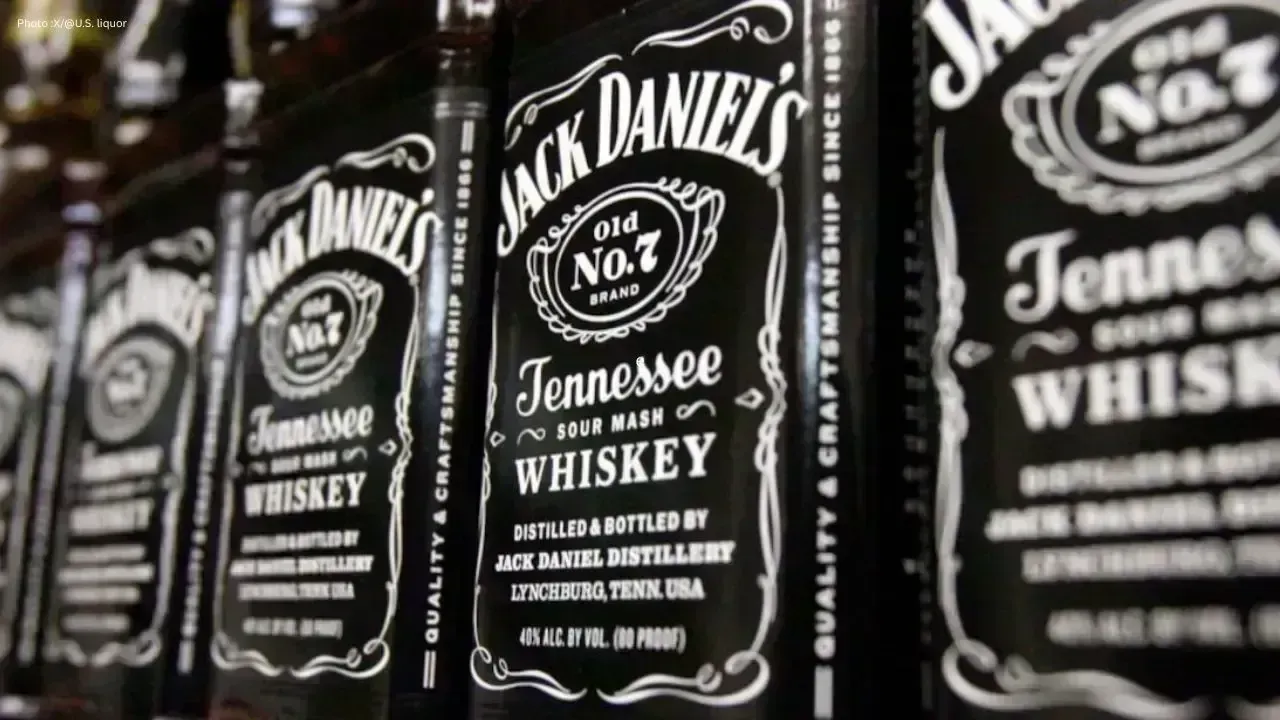
A recent report indicates that U.S. liquor exports to Canada have experienced a notable fall due to trade tensions arising from tariffs enacted during President Donald Trump’s administration. This decline has sparked considerable concern within the American alcohol sector, particularly impacting whiskey and bourbon manufacturers who relied heavily on the Canadian market.
According to industry analysis, American spirits exports to Canada plummeted by almost 70 percent in 2025, following actions from several Canadian provinces to withdraw U.S. alcohol products from stores as a response to ongoing trade disputes. Previously, Canada stood as a major international market for American whiskey, bourbon, and assorted spirits. ()
The data reveals a decrease in exports of American spirits to Canada, dropping from approximately 250 million dollars annually to nearly 89 million dollars amid escalating tension. From March to December 2025, exports reportedly fell from 203 million to just 60 million dollars, leading to significant losses for American distillers. ()
The trade conflict began when the U.S. imposed tariffs on multiple Canadian products, prompting Canada to respond with retaliatory actions, including tariffs on American alcohol and restrictions on sales across various provinces. Provincial liquor boards throughout Canada took measures to remove many American products from store shelves, promoting support for Canadian-manufactured brands instead. ()
The repercussions have been especially pronounced for American whiskey distillers in Kentucky, where bourbon production is a key industry. Trade associations have voiced concern that the loss of Canadian sales puts additional financial strain on distillers already grappling with decreased global demand and increasing inventory levels. ()
Additionally, reports indicate broader declines in American alcohol exports beyond just spirits. U.S. wine exports to Canada saw a decrease of around 78 percent, and overall beer and wine exports faced significant drops during the dispute period. ()
The Distilled Spirits Council of the United States attributes the downturn primarily to trade tensions and advocates for reinstating “zero-for-zero” tariffs between the countries. Industry leaders emphasize that prior tariff-free trade arrangements had positively impacted both U.S. and Canadian industries. ()
Canadian consumer behavior also contributed to this decline, as many opted to steer clear of American products during the conflict. Social media discussions indicated robust support among some Canadians for purchasing local alcohol instead of U.S. brands. ()
Nonetheless, some American alcohol producers remain hopeful for future improvements in trade relations. Recent moves by the U.S. government to relax certain whiskey tariffs related to the United Kingdom have renewed discussions about lessening trade restrictions affecting the global liquor sector. ()
Experts underline that this situation underscores how international trade conflicts can swiftly ripple through industries linked to exports, retail transactions, and consumer preferences. While there may be discussions and policy changes on the horizon, the American liquor industry continues to encounter obstacles in regaining lost market share in Canada.


 English