Post by : Saif
Al-Najjar
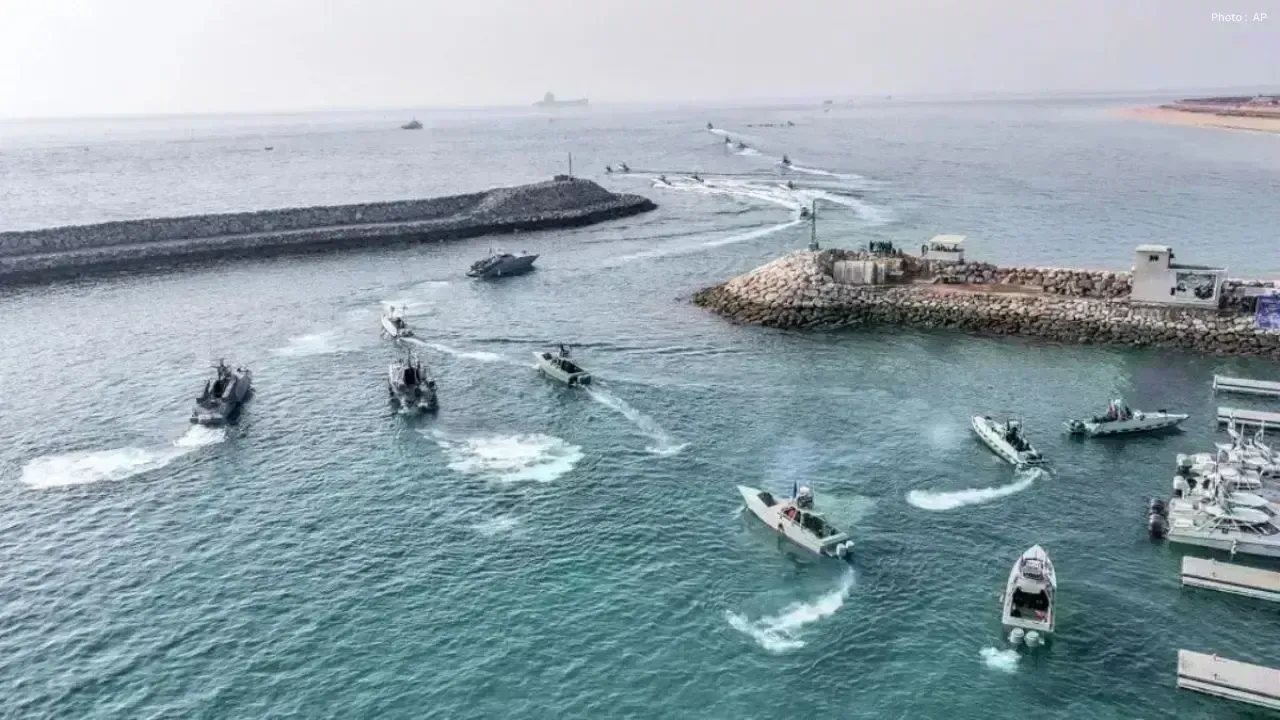
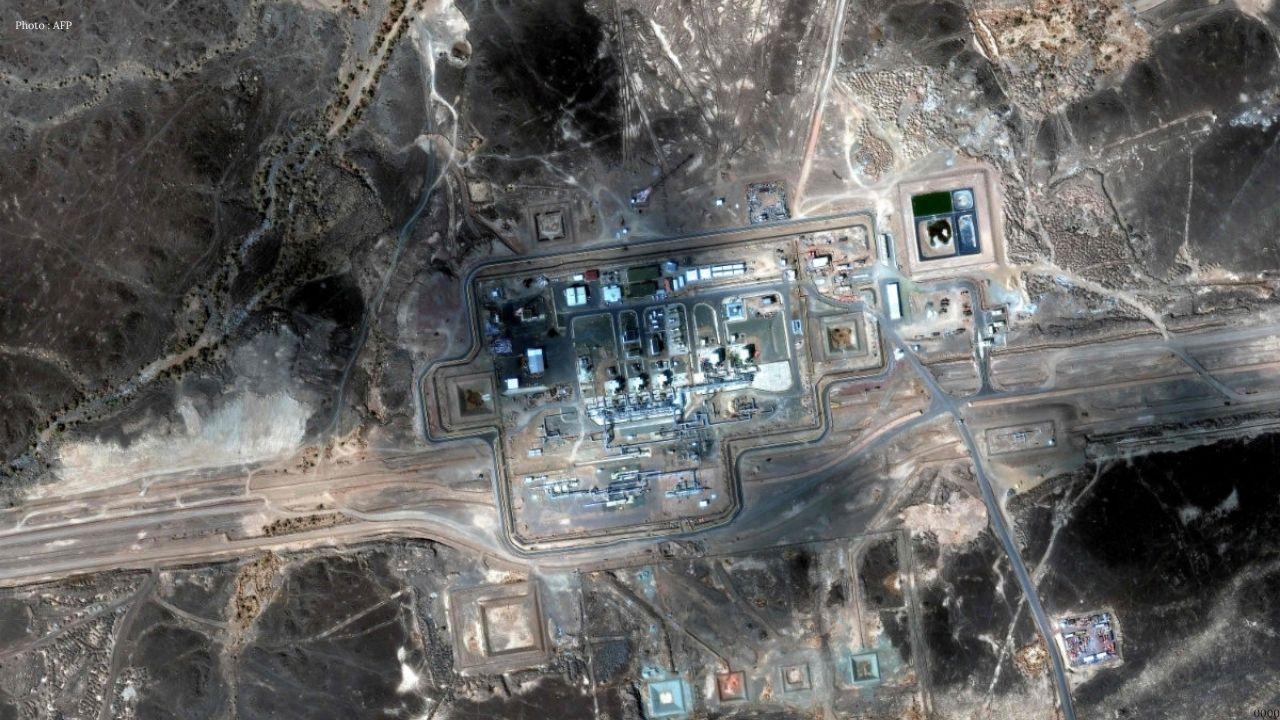
The United States has conducted military strikes near Qeshm Island and the Goruk region, targeting facilities linked to drone operations. This escalation comes amid heightened security concerns in the Gulf, marking an important chapter in the ongoing tensions between Washington and Tehran. The operation has drawn significant international focus due to the strategic nature of the territory and its implications for regional stability.
These strikes were directed at sites identified by American officials as crucial to supporting drone activities. As unmanned aerial systems play an increasingly vital role in modern conflicts, concerns have escalated regarding their deployment and potential impacts on military operations across the Middle East. This recent military action underscores a growing emphasis on thwarting drone attacks that could pose risks to military bases, maritime shipping lanes, and allied interests.
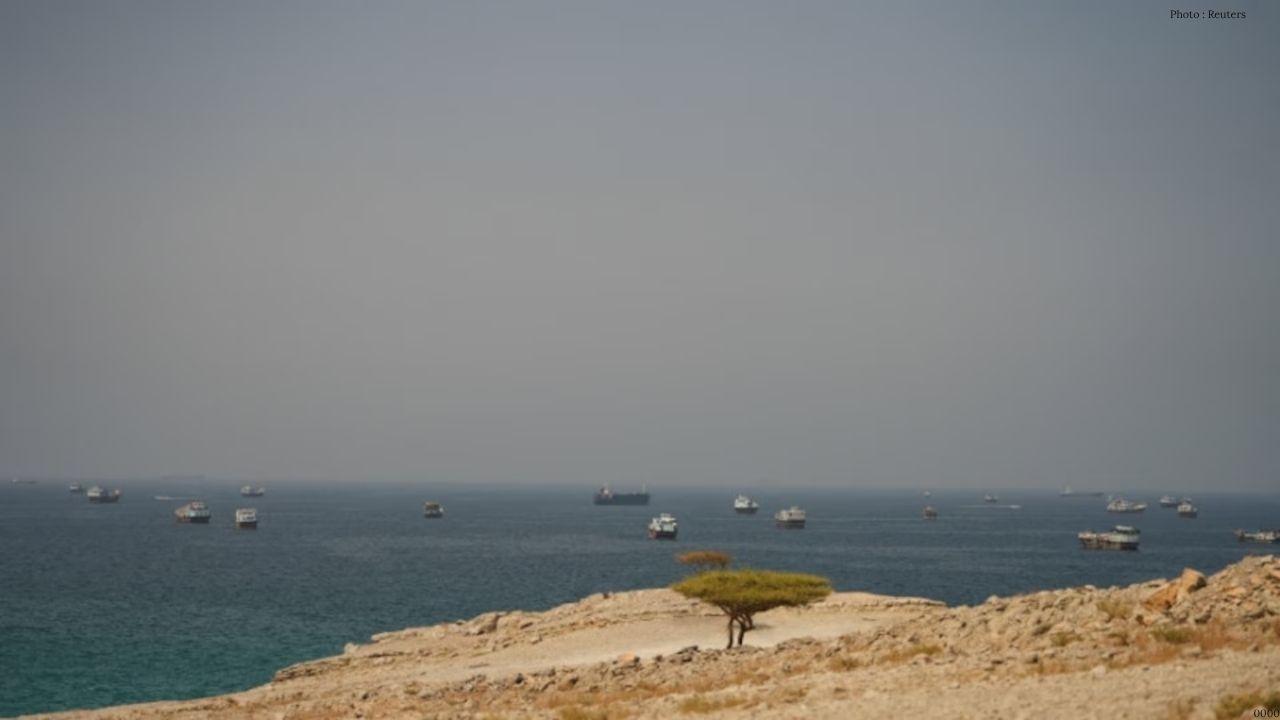
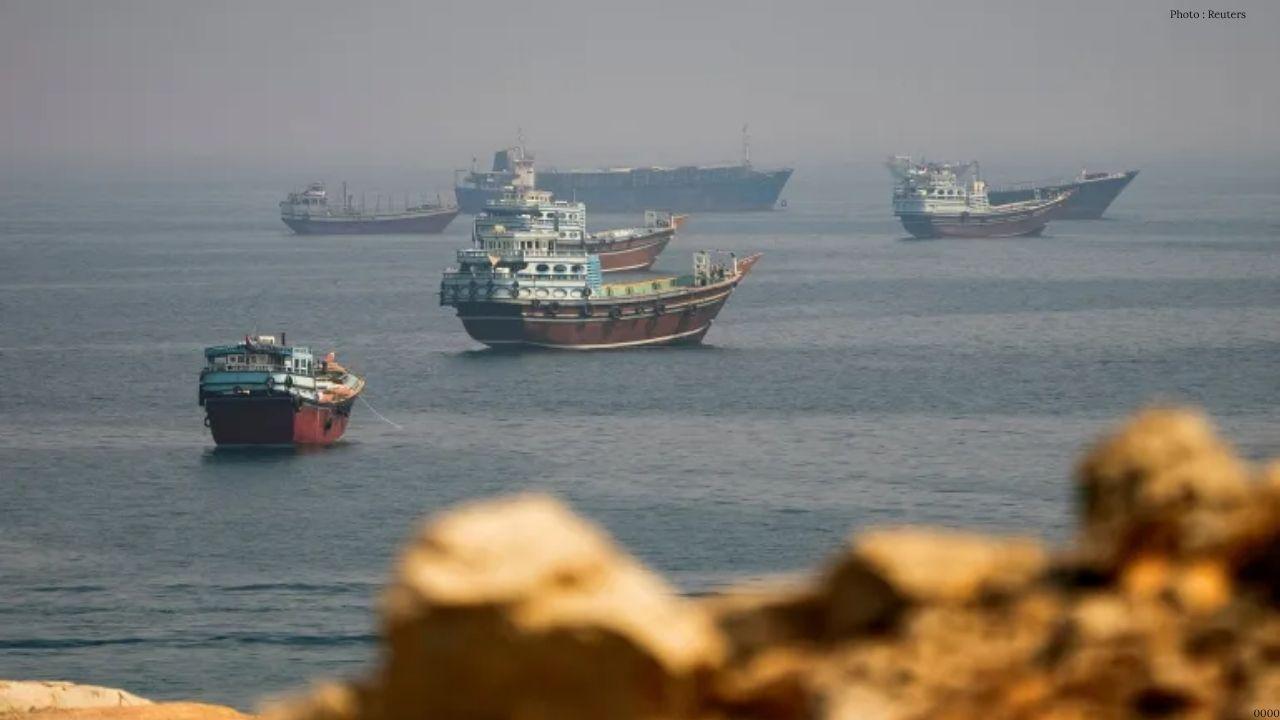
Qeshm Island's strategic location adjacent to the Strait of Hormuz, a major maritime corridor for global oil transport, further amplifies the significance of these events. Military operations in this area draw immediate attention as any disruptions can have sizeable repercussions on global energy markets and international commerce.
Beyond immediate military goals, these actions reflect the complicated and often strained relationship between the United States and Iran, characterized by longstanding disputes over security, influence in the region, military actions, and nuclear issues. Each confrontation adds another layer to this intricate dynamic.
Military analysts increasingly regard drone capabilities as a growing security concern. Due to their lower costs and greater difficulty in detection compared to traditional aircraft, drone networks are a main focus for many nations investing in advanced military technology. Disrupting these networks is now a critical component of contemporary military strategies.
The operation's specific location is notably significant, as the waters around Qeshm Island represent one of the world's most sensitive security zones. This region serves as a crucial linkage between energy-rich nations and global markets. An uptick in military activities here raises alarm for governments, shipping enterprises, and investors reliant on stable trade routes.
The economic ramifications are substantial. Developments in the Gulf significantly influence global energy markets; even minor military actions can generate uncertainty surrounding oil supply and transportation. Investors remain vigilant, recognizing that shifting security landscapes can directly affect fuel prices, shipping rates, and overall economic stability.
For nations heavily dependent on imported energy, Gulf stability is paramount. Disruptions in the Strait of Hormuz can have far-reaching impacts beyond the Middle East, highlighting why military actions in this region often escalate to international concern.
This incident exemplifies the evolving landscape of warfare, where confrontations increasingly incorporate advanced technological elements such as drones, cyber capabilities, and surveillance. Countries globally are adapting their defense strategies to counter these emerging threats, with this operation illustrating the role of technology in modern conflict.
On the diplomatic front, this incident is likely to prompt renewed calls for caution. Observers assert that ongoing military exchanges enhance the risk of miscalculation. Even limited operations can provoke responses leading to broader conflicts, emphasizing the necessity of maintaining communication during tense periods.
Regional governments are closely monitoring developments, given their economic and security interests linked to Gulf stability. Prolonged tensions could hinder investment, trade, tourism, and regional development. As such, neighboring nations typically advocate for diplomatic resolutions in times of strife.
Moreover, the humanitarian angle cannot be disregarded. While military operations typically focus on strategic outcomes, extended conflicts often create uncertainty for civilians. Ordinary families, businesses, and communities endure the fallout from economic instability, security fears, and diminished growth prospects.
The strikes on Iranian assets near Qeshm Island represent yet another key moment in the ongoing challenges surrounding Middle Eastern security. Beyond their immediate military intent, these actions bring to light broader issues concerning maritime safety, drone warfare, regional balance, and the stability of global energy supplies. This development serves as a potent reminder of the far-reaching ramifications that Gulf events can have, extending well beyond regional confines.
As nations assess the consequences of this incident, the crucial question remains: can diplomatic efforts curtail further escalation? While military interventions might address immediate threats, lasting stability will hinge on dialogue, judicious choices, and initiatives aimed at averting broader confrontations. In the coming days, stakeholders—including policymakers, investors, and the global populace—will be intently observing the implications of this latest episode for the region's future.


 English