Post by : Saif
Al-Najjar
The United States has intensified its efforts to gain dominion over Venezuela's significant oil reserves, marking a pivotal change in Washington's approach towards the nation. This week, US forces confiscated two oil tankers under sanctions and announced an easing of some restrictions to manage the global sale of Venezuelan oil.
The intentions are explicit, according to US officials: to oversee the transport and sale of Venezuelan oil following the ousting of former President Nicolás Maduro. The US will permit only oil transacted through authorized channels to be exported from Venezuela, thereby granting itself substantial leverage over one of the largest oil reserves worldwide.
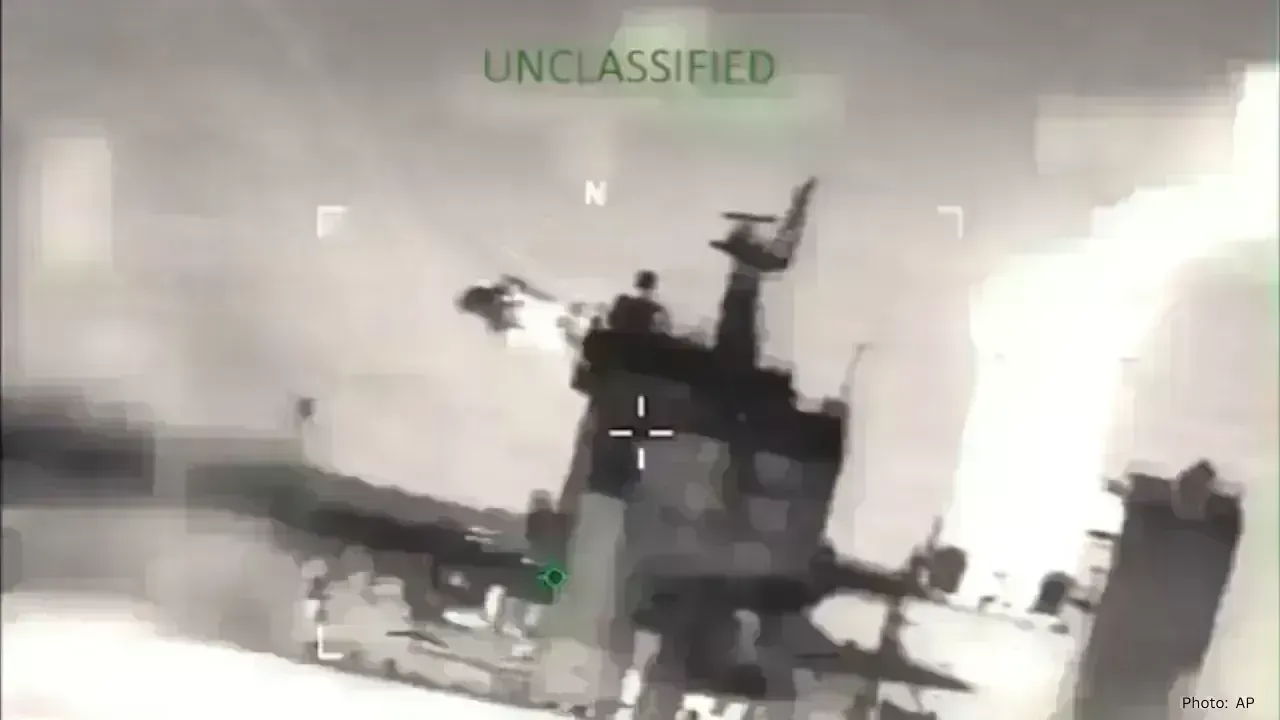
The tanker seizures occurred in the North Atlantic and the Caribbean. US Coast Guard and military personnel boarded the vessels, citing breaches of US sanctions. Authorities affirmed that these ships had recently docked in Venezuela or were en route to pick up oil. This operation follows similar actions last month, raising the total of seized vessels to at least four.
Officials from the White House indicated that the US now holds “maximum leverage” over Venezuela’s transitional leaders. Vice President JD Vance argued that by governing where Venezuelan oil can be sold, the US can exert pressure without resorting to military intervention. This tactic allows Washington to sway Venezuelan decisions while safeguarding American lives.
Secretary of State Marco Rubio elaborated that oil from the confiscated tankers could form part of a new agreement, potentially resulting in Venezuela supplying up to 50 million barrels of oil to the US. He emphasized that Venezuela’s interim government recognizes that cooperation with the US is essential for averting economic disaster.
The Bella 1 tanker, which attempted to evade US capture, garnered international media attention when it altered its name and flag to project a Russian affiliation. US authorities reported that the crew even painted a Russian flag on the vessel. Russia condemned the action as piracy and demanded fair treatment for any of its nationals aboard. The US Justice Department noted that crew members might face legal repercussions for defying Coast Guard orders.
Simultaneously, the Trump administration revealed plans to relax select sanctions enabling Venezuelan oil sales under US oversight. The Energy Department stated that between 30 million and 50 million barrels could be immediately sold, with revenues allocated to US-controlled accounts. Disbursement of funds would target both US and Venezuelan populations based on decisions made in Washington.
Venezuela’s state oil firm, PDVSA, acknowledged it is negotiating with the US for the legal sale of crude under these revised regulations. Venezuelan officials reassured that the process would be transparent and mutually advantageous. Acting President Delcy Rodríguez sought to alleviate public concerns, describing such oil agreements as routine and vital for enhancing Venezuela’s international relationships.
Additionally, US representatives indicated intentions to allow the import of oil-related equipment and services into Venezuela, aiming to revitalize production, which has plummeted to around 1 million barrels per day. Plans to invest in the nation's electricity grid could also alleviate the daily struggles faced by citizens amidst shortages and rising prices.
Proponents of the US initiative argue that it could stabilize global oil markets and thwart the potential for sanctioned oil to fund illicit activities. However, critics caution that granting one nation such authority over the resources of another poses serious moral and legal dilemmas.
The US's firm hold on Venezuelan oil goes beyond its borders, impacting international energy markets, diplomatic relations, and potentially the future of Venezuela itself, which are now intertwined with Washington's exercise of newfound authority.


 English