Post by : Saif
Al-Najjar
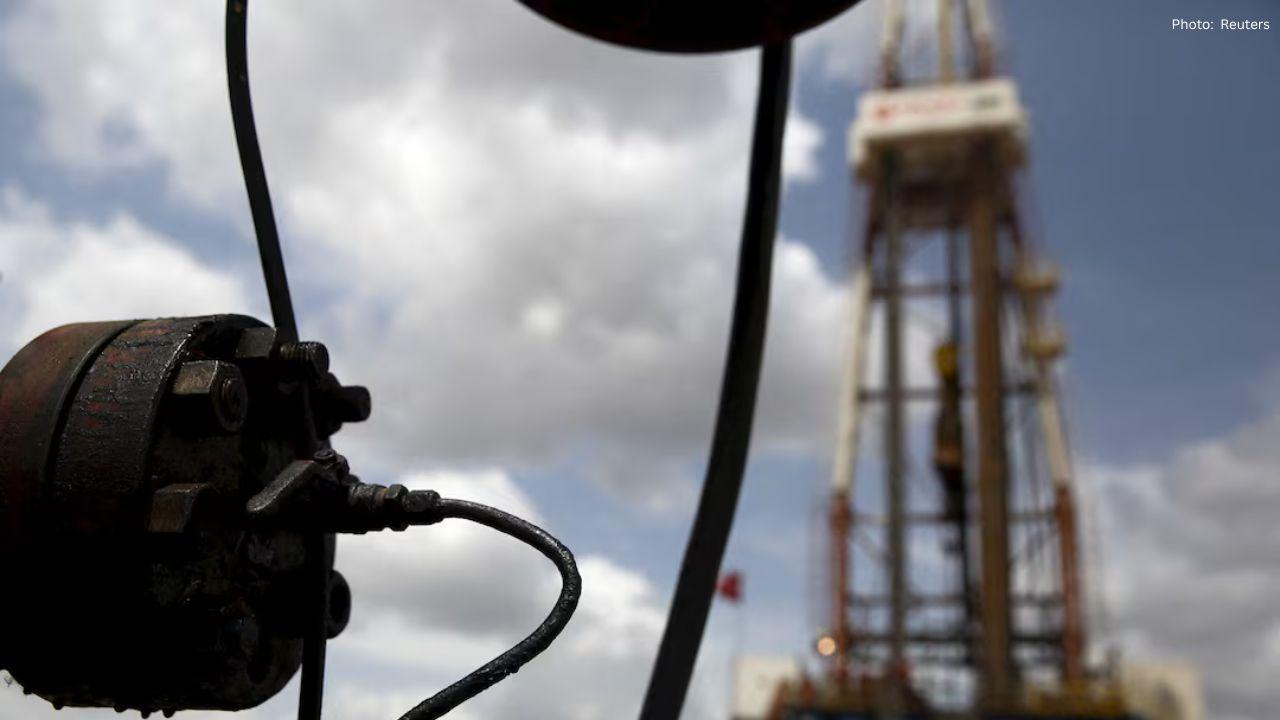
Venezuela is poised to export crude oil worth up to $2 billion to the United States following a pivotal agreement with Washington. This deal signifies a substantial alteration in global energy dynamics and the relationship between the U.S. and Venezuela. Announced by President Donald Trump, the arrangement will reallocate Venezuelan oil exports from China, with expected shipments of 30 million to 50 million barrels arriving at American ports.
This agreement comes during a critical juncture for Venezuela's oil sector, which has been grappling with stringent U.S. sanctions, declining production levels, and scarce storage availability. Trump noted that the oil will be sold at market rates, with the income managed by the U.S. government to benefit both Venezuelan and American citizens.
For Venezuela, this deal provides a potential escape from an ongoing crisis, as there are millions of barrels of oil stranded in tankers and storage due to a U.S. blockade initiated in mid-December. The absence of new buyers has placed Venezuela in a precarious position, risking even steeper production cuts as its storage capacity dwindles.
The blockade was part of intensified pressure from the Trump administration against President Nicolás Maduro’s government, escalating dramatically when U.S. forces captured Maduro last weekend to face drug-related charges. Venezuelan representatives have condemned this act as a kidnapping, claiming it is an attempt by Washington to seize Venezuela’s extensive oil resources.
Following Maduro's ousting, Delcy Rodriguez has assumed the role of interim president. Trump has issued demands for her administration to grant U.S. companies extensive access to Venezuela's oil resources, warning of repercussions if they do not comply. This oil export agreement is seen as a direct response to those demands.
Under this new deal, shipments originally intended for China will now be redirected to the U.S. China has served as Venezuela's largest oil purchaser in the past ten years, particularly since U.S. sanctions in 2020 pushed many Western corporations out of the Venezuelan market. This significant redirection exemplifies a drastic change in Venezuela's trading relationships.
Currently, Chevron remains the sole U.S. company permitted to export Venezuelan oil, transporting between 100,000 to 150,000 barrels daily through collaborations with Venezuela’s state oil company, PDVSA. Chevron has maintained operations despite sanctions, holding exclusive control over Venezuelan oil shipments to the U.S. for the time being.
The extent to which Venezuela will be allowed access to revenue generated from these oil transactions remains uncertain. Sanctions have restricted PDVSA from the global financial landscape, halting its bank transactions and freezing its assets. Venezuela has resorted to selling its primary crude type, Merey, at substantially discounted rates, placing the overall value of this deal around $1.9 billion.
U.S. and Venezuelan officials have also contemplated potential auctions, enabling U.S. buyers to bid on oil cargoes, alongside the possibility of issuing special licenses to PDVSA’s affiliates. In the past, such licenses have facilitated companies from the U.S., India, China, and Europe to refine or resell Venezuelan oil, with some already preparing to resume receiving shipments.
Discussions are also underway regarding the potential use of Venezuelan oil to replenish the U.S. Strategic Petroleum Reserve, although Trump did not specifically mention this option.
U.S. Interior Secretary Doug Burgum expressed optimism about the prospect of increased Venezuelan oil flowing to the U.S. Gulf Coast, emphasizing the benefits for American employment, fuel pricing, and Venezuela’s economic recovery. With U.S. investment and technology, he believes Venezuela can rebuild its economy.
U.S. Gulf Coast refineries have the capacity to process Venezuela’s heavy crude and previously imported around 500,000 barrels daily before sanctions came into effect. The announcement of the deal had an immediate impact on markets, resulting in a drop of more than 1.5% in U.S. crude prices as traders adjusted their pricing for heavy oil.
From an analytical viewpoint, this agreement underscores the intricate relationship between energy, politics, and power. While it may help stabilize oil markets and mitigate further economic decline in Venezuela, it simultaneously raises pressing concerns regarding sovereignty, sanctions, and the true custodianship of the oil trade’s benefits.
In the upcoming weeks, it will become clearer whether this agreement serves as a pathway to recovery for Venezuela or merely another installment in an enduring saga driven by foreign influence and political strife.


 English