Post by : Anis
Al-Rashid
Winter Travel: An Increased Need for Preparation
As winter unfolds, the risk of respiratory illnesses rises significantly. Various regions are witnessing a surge in cases of influenza, RSV, and gastrointestinal issues, with outbreaks occurring earlier than expected. This change is attributed to fluctuating weather, crowded travel venues, and the hustle of holiday travel.
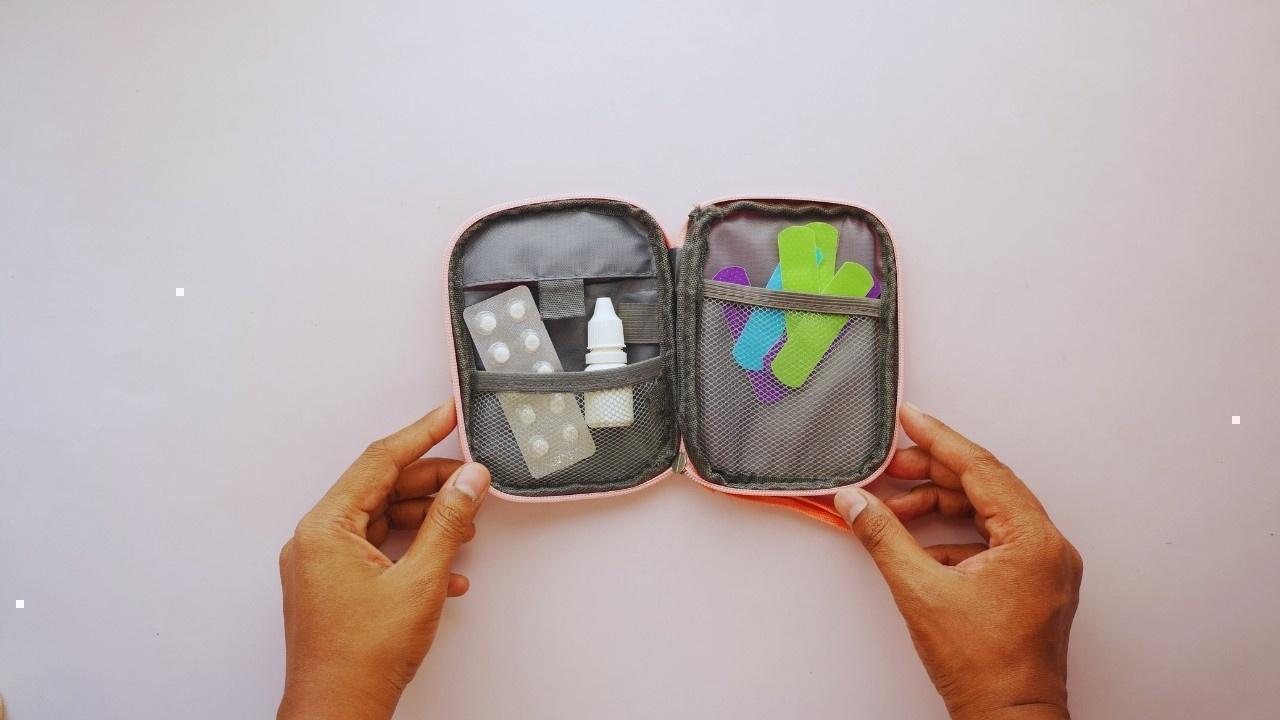
For those on the move, this scenario creates a unique set of challenges. Airports, train stations, and hotels become hotspots for transmission. Even short trips expose travellers to higher risks. Assembling a well-equipped health kit is essential to fend off infections and handle any health issues that may arise during travel.
More than just a first-aid kit, a winter health pack serves as a personalized safety net to ensure travellers remain healthy and prepared for unforeseen circumstances.
Recognizing Winter Travel Risks
Before packing your health kit, it’s essential to grasp the various risks associated with winter travel:
-
Respiratory infections flourish in dry environments and crowded spaces.
-
Cold temperatures can weaken the immune system, increasing susceptibility.
-
Sudden temperature fluctuations can cause throat irritation and respiratory issues.
-
Fatigue and dehydration can lower the body’s defenses.
-
Shared surfaces and areas raise the likelihood of catching infections.
Packing an all-inclusive health kit can significantly help travellers mitigate these preventable dangers.
Essentials for Your Winter Travel Health Kit
Your travel health kit must strike the perfect balance between being compact and comprehensive. Here’s a detailed rundown of must-have items and their significance:
Personal Medications
Ensure you bring along medications you regularly use, including:
-
daily prescription drugs
-
medications for ongoing conditions
-
supplements as advised by healthcare professionals
-
inhalers, if necessary
-
antihistamines for allergies
Keep these essentials in your carry-on to avoid issues caused by delayed checked luggage. A small organizer will help you access them easily.
Respiratory Essentials
With the rise in lung-related illnesses, include these critical items:
1. Nasal saline spray
Keeps nasal passages moist in dry conditions and enhances comfort.
2. Throat lozenges
Relieves irritation caused by dry air or early illness symptoms.
3. Menthol rub
Alleviates nasal congestion and mild respiratory discomfort.
4. Light face masks
Essential in crowded spaces and during flights, particularly for those with reduced immunity.
5. Portable humidifier (optional)
Beneficial in extremely dry locations or lengthy flights.
Pain and Fever Management
Don’t forget medications for common winter-related symptoms:
Cold travel can cause muscle tightness due to lack of movement; these items ensure your comfort throughout the trip.
Cold and Cough Relief Items
Be prepared with these items:
These items assist in managing mild cold symptoms effectively.
Digestive Health Considerations
Be aware that winter can bring gastrointestinal challenges due to dietary changes:
Include:
These elements are particularly useful on lengthy trips where unfamiliar cuisine might affect digestion.
Boosters for Immunity
Maintain immunity during exposure and dietary inconsistencies with:
These will bolster your health amidst changing travel dynamics.
Wound Care Essentials
Include essential wound care items to prevent minor injuries from worsening:
-
small adhesive bandages
-
antiseptic wipes
-
cotton pads
-
mild antiseptic cream
-
gauze
-
medical tape
-
tweezers
These items are crucial for outdoor adventures or navigating new environments.
Sanitation and Hygiene Tools
Combat infections with these hygiene essentials:
Touching public surfaces can be risky; routine sanitizing is key to reducing infection risk.
Temperature and Hydration Essentials
Stay hydrated during cold travel to support your immune system:
-
insulated water bottle
-
compact thermometer
-
hydration solutions
-
lip balm
-
moisturizer
-
hand cream
These items will safeguard against dry skin and discomfort due to weather changes.
Additional Winter Travel Items
Depending on your destination, you may require extra gear like:
-
thermal clothing
-
warm socks
-
gloves
-
heat pads
-
scarves
-
insulated face coverings
-
hand and foot warmers
-
compact travel blankets
Such items help you cope with rapid temperature variations and lessen the risk of illness.
Health-Related Travel Documents
Essential health documents streamline your travel:
-
prescriptions
-
doctor’s notes
-
health-insurance information
-
emergency contact details
-
list of medical issues
-
digital backups stored online
These documents are vital for quick medical response in emergencies.
Technology for Health Monitoring
Compact high-tech devices can enhance your peace of mind:
These tools assist in unforeseen health scenarios during your travels.
Snacks for Comfort and Energy
Healthy snacks are key to keeping energy up:
-
protein bars
-
dried fruits
-
herbal tea bags
-
ginger candy
-
sugar-free mints
Irregular meal patterns in winter travel make these snacks indispensable for maintaining energy.
Avoid Packing Mistakes in Your Winter Health Kit
Don’t overpack. Instead, leave out:
Aim for a kit that is practical, lightweight, and user-friendly.
Importance of a Winter Health Kit Post-Outbreaks
The recent spikes in health issues have altered how we travel. A well-thought-out health kit equips travellers with the ability to:
-
prevent infections
-
address symptoms promptly
-
avoid emergency items in unknown areas
-
minimize travel interruptions
-
support immunity in harsh environments
Given the current viral landscape, preparedness has never been more essential.
Tailoring Kits for Different Travel Needs
Travelers can customize their health kits based on their journey type:
For Business Travelers:
Prioritize sanitisation, immune boosters, and fatigue relief.
For Families:
Include child-safe medicines and a larger stock of sanitizing wipes.
For Backpackers:
Focus on lightweight wound care and hydration tools.
For Long-Haul Travel:
Consider items like compression socks and soothing lotions.
For Adventure Travel:
Bring more robust wound-care kits, blister treatments, and insect repellents.
How to Maintain and Store Your Health Kit
Organizing your winter health kit is vital:
A well-organized kit ensures readiness for any emergencies.
Final Thoughts
Winter travel gives rise to distinct health complications ranging from respiratory concerns to viral infections and sudden weather changes. A properly stocked winter health kit fortifies travellers against these challenges, ensuring a safer and more enjoyable journey. By selecting the right items and staying attuned to evolving risks, travellers can prioritize their well-being all season long.
This health kit is not just precautionary; it’s a travel essential.
Disclaimer:
This article offers general tips for winter travel health preparations. For personalized advice, consult your healthcare professional, especially if you have specific medical needs.


 English