Post by : Anis
Al-Rashid
Why Extra Caution Is Crucial for Winter Travel
The winter season changes not just the scenery but also travel dynamics. Snow, ice, and fluctuating temperatures can wreak havoc on travel plans. Even seasoned travelers may find themselves unprepared for sudden weather shifts and slick conditions.
In contrast to other times of the year, winter allows little room for mistakes. A flight delay, a closed highway, or abrupt temperature changes can escalate from an annoyance to a serious risk. Careful planning is no longer optional; it is crucial.
Stay Informed: Weather and Travel Alerts
Keep a Close Eye on Weather Updates
Before making any travel arrangements, always consult accurate weather forecasts for:
Your departure point
Layover locations
Your final destination
Focus not only on snow forecasts but also on wind chill, freezing rain, and fog, all of which can compromise travel safety.
Stay Updated with Official Travel Warnings
Authorities often issue winter advisories regarding:
Road closures
Flight cancellations
Avalanche warnings
Severe cold alerts
Ignoring these notifications can place you in significant danger, especially in remote or elevated areas.
Packing Smart: Don't Forget Winter Essentials
Layered Clothing for Comfort and Safety
Traveling in winter means layering wisely, not just dressing warmly. Ensure you pack:
Thermal base layers
Insulating mid-layers
Windproof and waterproof outer layers
Gloves, scarves, and warm hats
Effective layering helps maintain body heat and stave off hypothermia.
The Right Footwear is Essential
Slipping is common in icy conditions. Always carry:
Avoid smooth-soled shoes, even for brief outings.
Safety Kits Are Non-Negotiable
A winter travel safety kit should include:
These items become even more critical when traveling to remote or excessively cold locations.
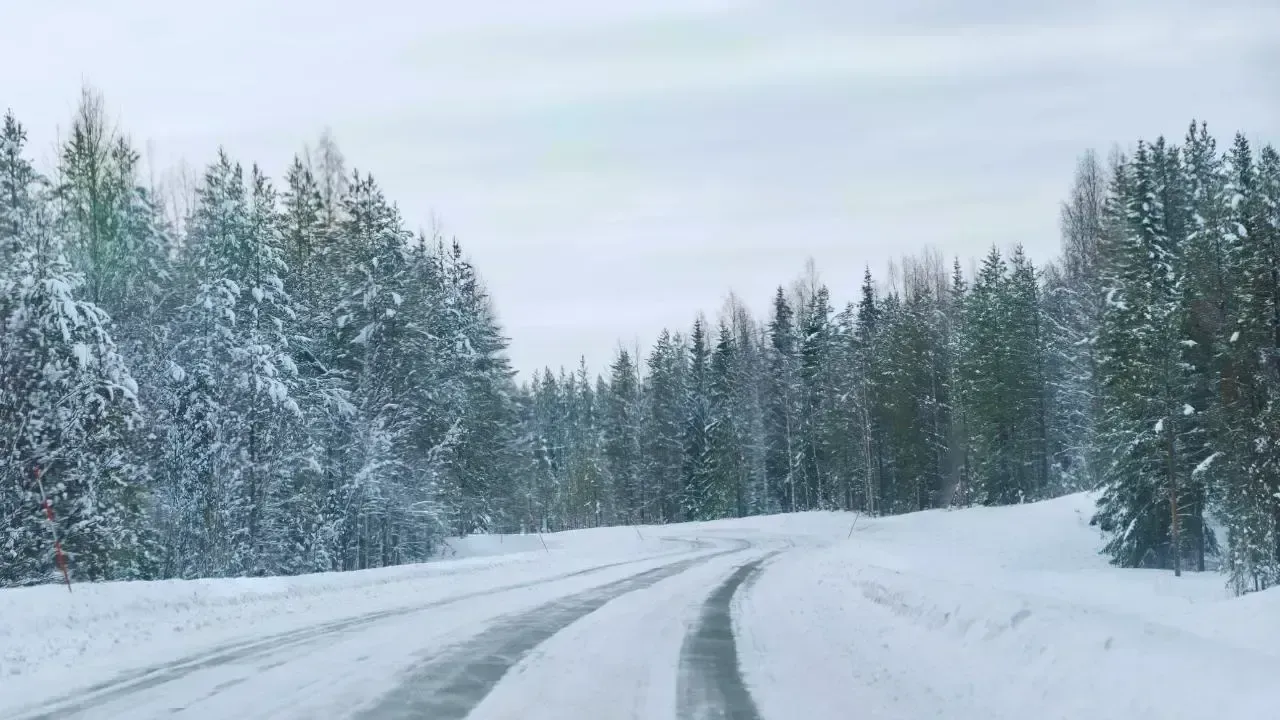
Driving Safely in Winter Conditions
Vehicle Preparation is Key
If you’re on the road:
Check tire tread depth and air pressure
Ensure brakes and lights are functional
Top off antifreeze and windshield fluid
Carry chains for your tires if necessary
A poorly maintained vehicle poses a significant hazard during winter driving.
Adjust Your Driving Style for Winter
Have patience when driving in winter:
Significantly reduce your speed
Maintain a longer following distance
Avoid abrupt braking or sharp turns
Be particularly careful on bridges and shaded areas
Invisible black ice demands defensive driving approaches.
Know When to Wait
If conditions worsen—like heavy snow, freezing rain, or low visibility—postpone your travel. No destination is worth risking your safety.
Air Travel Considerations for Winter Trips
Prepare for Possible Delays
Winter weather is notorious for causing flight disruptions. Snowstorms and fog can ground flights even when conditions seem clear where you are.
Always:
Arrive at the airport well ahead of time
Allow extra time for layovers
Monitor your flight status frequently
Pack Essentials in Your Carry-On
Checked bags can experience delays. Keep vital items in your cabin luggage:
Warm clothing
Toiletries
Chargers
Crucial documents
This will ensure you remain comfortable in case of unexpected delays.
Bus and Train Travel: Important Considerations
Anticipate Common Delays
Snow-covered tracks and icy signals can disrupt rail and bus services. Plan for flexible schedules to avoid tight connections.
Stay Updated Throughout Your Journey
Ensure your phone is charged and follow official updates diligently. In cold weather, extended waits without heating can be uncomfortable or hazardous.
Health and Safety in Cold Weather
Avoid Frostbite and Hypothermia
Extended exposure to cold can be perilous. Watch for warning signs such as:
Shivering
Numbness
Pale or blue skin
Confusion or fatigue
Seek warmth immediately if these symptoms arise.
Hydration and Nutrition Matter
Though cold weather diminishes thirst signals, dehydration can still occur. Drink water regularly and consume energy-rich foods to sustain warmth.
Importance of Travel Insurance in Winter
Why It’s Essential During Cold Seasons
Winter brings increased chances of:
Validate that your travel insurance covers specific winter-related risks, particularly in snowy or mountainous areas.
Staying Safe at Winter Accommodations
Check Heating and Backup Power
Before finalizing bookings, confirm that accommodations provide:
In harsh cold, inadequate heating can become a serious concern.
Know Local Emergency Protocols
Be aware of:
Emergency contact numbers
Nearest healthcare facilities
Evacuation paths in isolated areas
Being prepared enhances your safety.
Embrace Technology and Stay Connected
Aim to Keep Devices Charged
Cold temperatures can drain batteries quickly. Make sure to carry:
Avoid depending solely on internet connectivity during winter travels.
Share Your Travel Plans
Inform friends or family about:
Your travel route
Accommodation details
Expected arrival times
This becomes vital if communication issues occur.
Traveling in Snowy or Hilly Areas
Be Aware of Local Hazards
Mountain travel introduces added dangers:
Avalanche risks
Potential landslides
Unexpected roadblocks
Adhere to local guidelines and avoid restricted zones.
Utilize Local Expertise When Needed
Local guides have a better understanding of winter terrains. Their knowledge significantly reduces risk in areas covered in snow.
Mental Preparedness: Be Ready for Surprises
Include Flexibility in Your Itinerary
Don’t rush during winter, as it increases the likelihood of stress. Always allow extra time for:
Unexpected delays
Changes in route
Weather-related stops
Flexibility is a vital skill for traveling in winter.
Stay Composed in Challenging Situations
Weather-related delays can be out of your control. Keeping your cool and staying informed will aid in making safer choices.
Avoid Common Winter Travel Mistakes
Underestimating Weather Conditions
Many travelers wrongly assume winter weather remains predictable. Conditions can shift quickly—never disregard warnings.
Finding the Right Balance in Packing
Balance is essential. Carry what is necessary without overburdening yourself with items that limit your mobility.
Final Thoughts: Preparedness is Your Best Friend
Traveling in winter can be a fantastic experience, offering breathtaking views and unforgettable moments. However, it also requires a healthy respect for nature and meticulous planning. From monitoring weather reports and packing effectively to adapting plans and prioritizing health, each detail is significant.
The most secure winter travelers are not necessarily the boldest—they are the most prepared. Prior to departing, plan extensively, stay informed, and remember that in winter, caution signifies wisdom, not fear.
Disclaimer:
This article serves as general advice. Weather conditions, travel rules, and safety risks may differ by location. Always heed official guidance and local recommendations.


 English