Post by : Mikhael
Al-Saeed
Top 10 Chicken Parts You Should Avoid: Health Risks and Bacterial Exposure
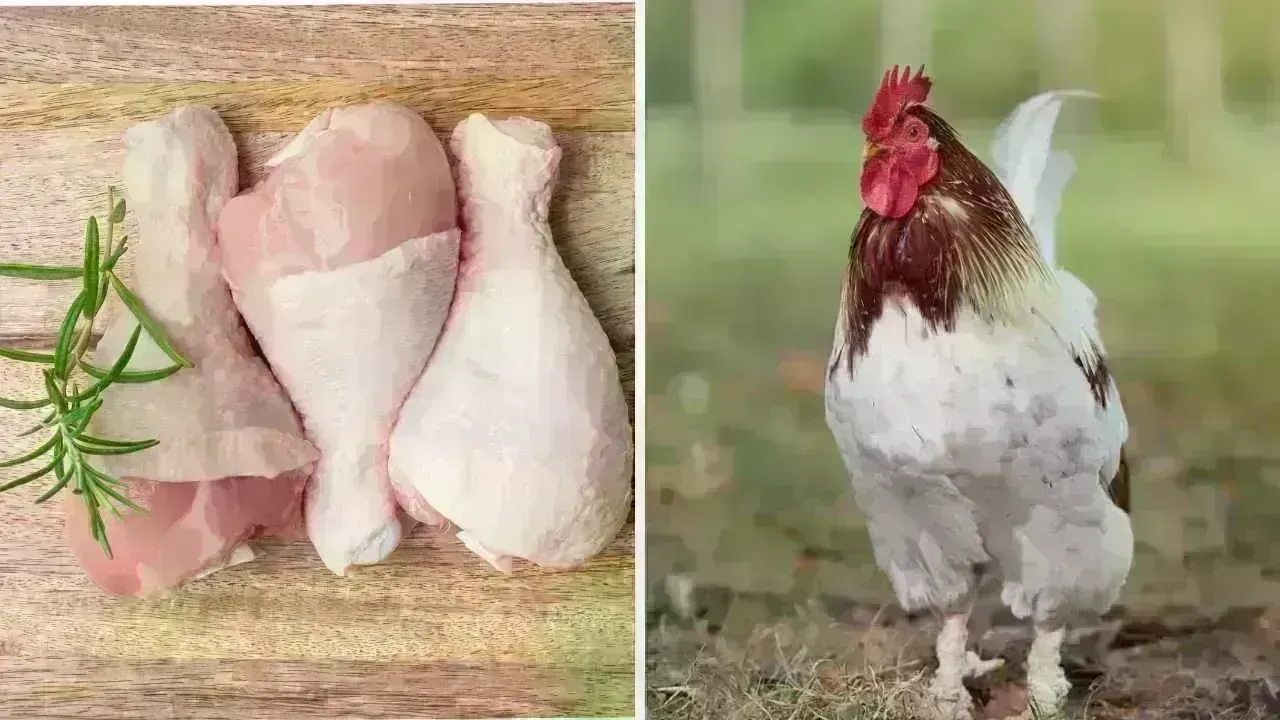
Chicken is a staple food in numerous households across the globe, valued for its ease of preparation and affordability as a source of protein. However, not all parts of the chicken are safe for consumption. Doctors and food safety specialists highlight that this belief is misguided.
Certain chicken parts carry harmful bacteria, excessive fat, and toxic compounds. Regularly consuming these sections or failing to prepare them safely can result in serious gastrointestinal issues and long-term health complications. Below is a comprehensive guide on the ten chicken parts you should steer clear of and the reasons for these warnings.
1. Chicken Skin
Chicken skin is often enjoyed when fried or roasted, yet it poses significant health risks.
Chicken skin is loaded with:
Consuming chicken skin regularly can elevate the risk of heart disease, weight gain, and high cholesterol levels. Medical professionals often recommend removing the skin before cooking, particularly for those with pre-existing conditions like heart disease, diabetes, or hypertension.
2. Chicken Lungs
While chicken lungs may be overlooked due to their small size, consuming these parts is risky.
Potential dangers include:
Even after cooking, bacteria may persist. Experts strongly advise against consuming chicken lungs.
3. Chicken Head
Although chicken heads appear in some traditional recipes, they come with notable health hazards.
Risks include:
-
Presence of harmful bacteria
-
Accumulation of toxins from dirty food or water
-
Minimal nutritional value
Due to challenges in thorough cleaning, it’s best to avoid chicken heads altogether.
4. Chicken Feet (If Not Properly Cleaned)
Chicken feet can be delicious in some cuisines, but safety is paramount.
Dangers include:
-
Residual dirt and bacteria on the skin
-
Germs from contaminated surfaces
-
High risk of contamination
If not properly cleaned and cooked, chicken feet can lead to severe stomach infections and foodborne illness.
5. Chicken Gizzard (If Inadequately Cleaned)
The gizzard plays a role in the chicken's digestion, often housing waste.
Hence, caution is required:
Only gizzards that are diligently cleaned and fully cooked should be eaten. Poor preparation can lead to digestive issues.
6. Chicken Liver (When Eaten Frequently)
Chicken liver is rich in nutrients, but regular consumption poses risks.
Health issues may arise, including:
-
Elevated cholesterol levels
-
Storage of harmful toxins and heavy metals
-
Excessive vitamin A intake, which can be detrimental
Health professionals recommend consuming chicken liver occasionally rather than regularly.
7. Chicken Kidneys
Chicken kidneys play a role in waste filtration.
Potential hazards include:
Given that they filter waste, chicken kidneys may not be safe for regular consumption.
8. Chicken Tail (Pope’s Nose)
Though small, the chicken tail is quite fatty.
Reasons to avoid this section include:
Frequent consumption can raise cholesterol levels and elevate heart disease risks.
9. Raw or Undercooked Chicken
Any improperly cooked chicken can pose serious health threats.
Potential health risks include:
-
Salmonella infection
-
Severe abdominal pain
-
Diarrhea and fever
Always ensure chicken is thoroughly cooked, with no pink meat or raw juices present.
10. Spoiled Chicken
Spoiled chicken poses one of the most significant food safety risks.
Never consume chicken that:
Eating spoiled chicken can lead to severe food poisoning requiring medical intervention.
Why These Chicken Parts Are Risky
Medical experts note that chickens can absorb:
-
Bacteria from their environment
-
Toxins from food and water
-
Waste accumulating in certain organs
Certain parts accumulate more harmful substances than others, making them unsafe for frequent consumption or careless preparation.
How to Consume Chicken Safely
Health experts recommend:
-
Always select fresh chicken
-
Remove skin before cooking
-
Thoroughly cleanse all chicken parts
-
Ensure complete cooking of chicken
-
Limit intake of organ meats
Responsible handling and proper cooking techniques can significantly minimize health risks.
While chicken can be a nutritious food, not all its parts are suitable for your health. Some may expose you to unsafe levels of bacteria, unhealthy fat, or toxins if frequently consumed or improperly prepared.
Health professionals agree that making smart food choices and ensuring proper cooking methods are essential for maintaining good health. Understanding which chicken parts to avoid is crucial for protecting you and your family from unnecessary health risks.
Disclaimer
This article aims to provide general information and awareness. It is not intended to serve as medical, nutritional, or food safety advice. Individual dietary needs and health conditions may vary. Readers are encouraged to consult a qualified healthcare professional or nutritionist before making significant dietary changes, especially if they have health concerns or allergies.


 English