Post by : Anis
Al-Rashid
A World Cup in Crisis
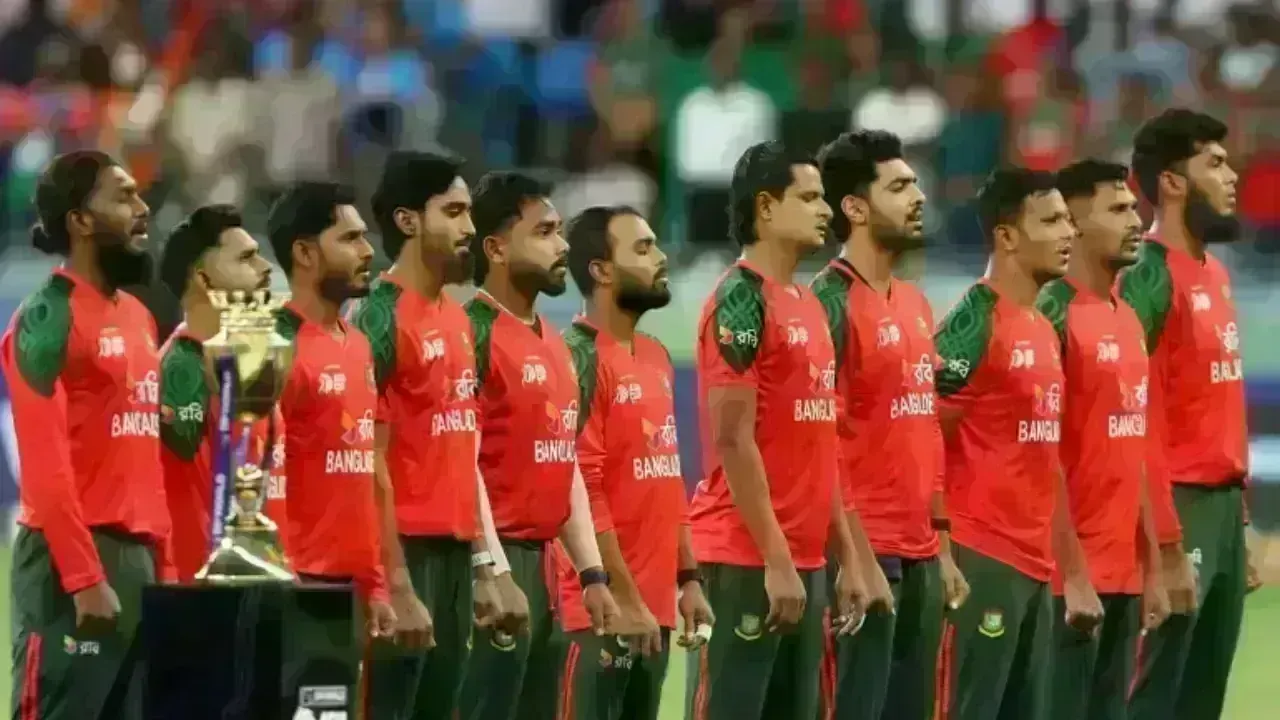
The ICC Men’s T20 World Cup 2026 was set to be one of cricket's landmark events, co-hosted by India and Sri Lanka. However, complications have arisen as the Bangladesh Cricket Board (BCB) has announced it will not travel to India due to persistent security concerns. This decision undermines Bangladesh’s participation and highlights critical issues in international sport governance regarding safety and diplomacy.
Bangladesh’s Security Dilemma
Sparks of Conflict: Mustafizur Rahman’s IPL Situation
Central to the conflict is the exclusion of Mustafizur Rahman from his IPL team, which the BCB attributes to rising domestic safety fears. BCB President Aminul Islam Bulbul emphasized this incident as crucial in questioning player safety during the World Cup.
Despite the ICC’s security reviews claiming no legitimate threats exist, the BCB finds these reassurances inadequate, questioning the reliability of such assessments during high-stakes matches.
Government's Official Stance
Bangladesh's government, represented by sports advisor Asif Nazrul, stated that security conditions remain unchanged. Nazrul pointed out that assurances from the ICC and BCCI have been insufficient, prioritizing player safety as paramount.
ICC's Position and Deadline
BCB's Request Denied
The BCB proposed playing matches in Sri Lanka instead, but the ICC turned down this request to preserve event logistics. The ICC has given Bangladesh a strict deadline to confirm its travel plans, indicating that non-compliance could lead to their replacement by Scotland.
Time Running Out
With the ICC standing firm, the timeline before the February 7 start date is critical. Bangladesh remains resolutely against traveling to India, insisting on Sri Lanka as a safer venue.
Responses from Stakeholders
Reactions Within Bangladesh Cricket
BCB officials and players are actively seeking solutions, expressing deep disappointment over possible tournament abandonment while adhering to the board's full commitment to safety.
ICC's Unified Front
The ICC, backed by member boards, is determined to maintain the tournament's integrity, reinforcing the need for a consistent organizational approach.
Outlooks from the Global Cricket Community
Mixed opinions have surfaced within the cricketing world. While some emphasize the urgency of diplomatic solutions to safeguard players, others highlight logistical problems tied to future events.
Potential Impact of Scotland's Inclusion
If Bangladesh ultimately abstains, SCOTLAND may fill the void, upsetting group dynamics and altering tournament competitiveness. Their inclusion would transform the competition landscape significantly.
Interplay of Politics and Cricket
Geopolitical Ramifications
The scenario illuminates how cricket intersects with national security and diplomatic relations, reiterating the complexities of sports administration amidst political discord.
Challenges Facing Sporting Governance
Disparate perceptions of safety underscore ongoing challenges for global sports bodies. The ICC's unyielding stance against BCB's perceptions of risk highlights larger governance hurdles in player safety decisions.
The Upcoming Deadline
With the World Cup set for February 7, 2026, resolution must be reached soon. Should BCB stand firm, Scottish inclusion looms, leaving cricket enthusiasts eager for next steps amid this unfolding situation.
Disclaimer: This article is for informational purposes only and does not provide legal, professional, or official guidance. Details and developments may change as new information arises.


 English