Post by : Mikhael
Al-Saeed
Essential Frozen Foods for Heart Health: What Should You Stock?
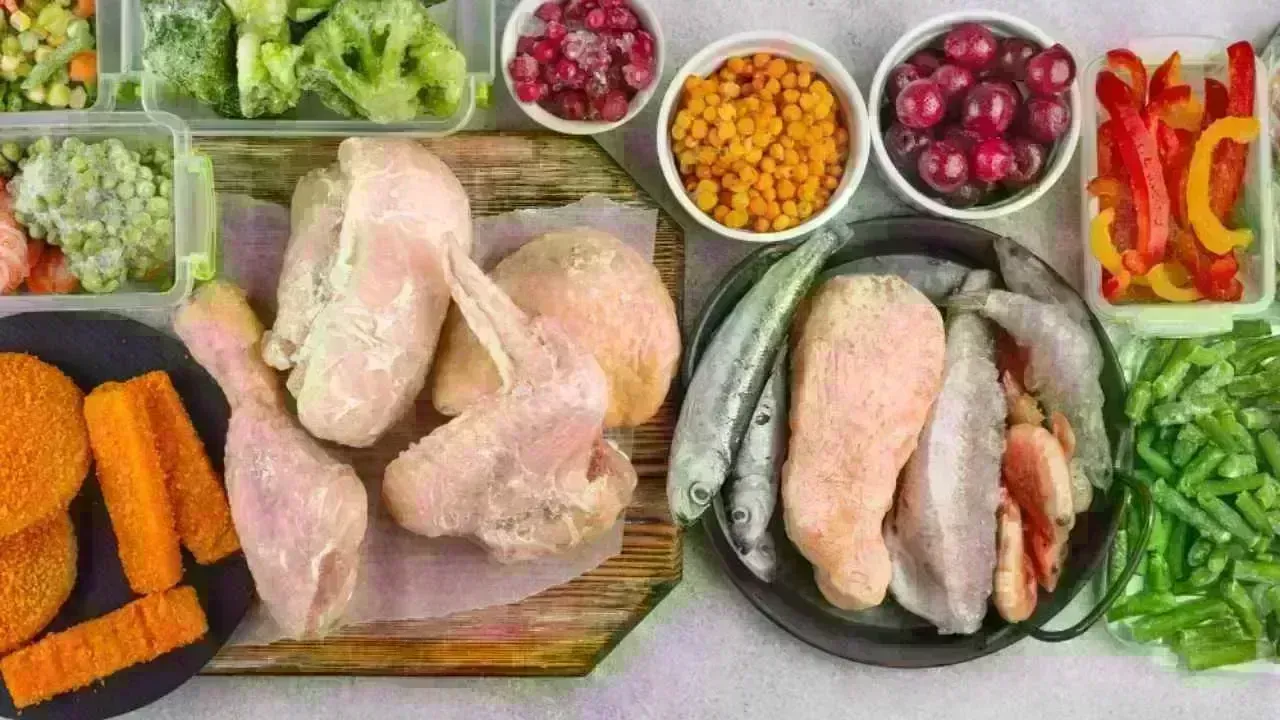
Frozen foods often receive a bad reputation, leading many to think all frozen items are packed with preservatives. However, health professionals clarify that this assumption isn't entirely accurate. Select frozen foods can be beneficial for your heart, if you choose wisely.
Most frozen foods are harvested at their peak and quickly frozen. This process preserves their nutrients over time. They serve as a practical solution for busy individuals and families aiming to eat healthily without breaking the bank. This guide highlights which frozen foods are heart-healthy and should be in your freezer.
Benefits of Frozen Foods for Heart Health
While fresh foods are excellent choices, frozen ones can also provide significant benefits. They are typically frozen soon after harvesting, retaining vital nutrients such as vitamins, minerals, and antioxidants.
If chosen wisely, frozen foods can aid in:
Reducing bad cholesterol
Alleviating bodily inflammation
Maintaining healthy blood pressure
Saving time in the kitchen while retaining nutrition
Remember to steer clear of frozen foods high in salt, sugar, or unhealthy fats.
1. Frozen Vegetables
Frozen veggies rank high among the healthiest options for your freezer.
Consider these options:
Spinach
Broccoli
Peas
Carrots
Green beans
These choices are packed with fiber, vitamins, and antioxidants. Fiber can help lower bad cholesterol and keep blood vessels in good shape. Frozen vegetables can be just as nutritious as fresh ones and sometimes even better, as they are frozen at their prime.
Quick tip: Opt for plain frozen vegetables. Stay away from varieties with added butter, cheese, or creamy sauces.
2. Frozen Fruits
Frozen fruits provide another great heart-healthy option and are super convenient.
Optimal selections include:
Berries, in particular, are heart-friendly as they assist in protecting blood vessels and reducing inflammation. Frozen fruits are perfect for smoothies, yogurt, or as healthy snacks.
Quick tip: Avoid frozen fruits that contain added sugars or syrups.
3. Frozen Fatty Fish
Fatty fish are among the best dietary options for heart health, with frozen fish just as nutritious as fresh.
Healthy frozen fish choices include:
These fish are rich in omega-3 fatty acids that help:
Frozen fish is often more economical and maintains freshness longer, promoting regular fish consumption.
Quick tip: Select plain frozen fish, avoiding breaded or fried variants.
4. Frozen Beans and Lentils
Frozen beans and lentils are fantastic plant-based protein options for heart health.
Choose from:
Green peas
Edamame (soybeans)
Mixed beans
They are low in fat and high in fiber, helping to:
Incorporating beans and lentils into your diet can lower the likelihood of heart disease over time.
5. Frozen Whole Grains
Certain whole grains are also available in frozen forms, providing quick meal solutions.
Examples comprise:
Frozen brown rice
Frozen quinoa
Frozen whole-grain mixes
Whole grains help regulate cholesterol and blood sugar, promoting satiety and supporting healthy weight.
Quick tip: Always check labels for added salt, butter, or oils.
6. Frozen Low-Fat Yogurt or Yogurt Cubes
Low-fat yogurt aids heart health by enhancing digestion and balancing cholesterol levels.
Frozen yogurt cubes or plain frozen yogurt can be added to smoothies or enjoyed as a light snack.
Quick tip: Stay away from frozen desserts high in sugar; opt for plain or low-fat varieties instead.
7. Frozen Homemade Meals
One of the best options for your freezer is meals you prepare yourself.
Nutritious homemade frozen meals to consider:
Freezing home-prepared meals allows you to control salt and oil content, along with saving time on hectic days.
Frozen Foods to Limit for Heart Health
Not all frozen options are beneficial for heart health. Experts recommend minimizing intake of:
These items can potentially elevate blood pressure and cholesterol levels when consumed regularly.
How to Select Heart-Healthy Frozen Foods
Health professionals advise the following:
Always examine nutrition labels
Opt for low-sodium and low-sugar selections
Avoid trans fats and excessive saturated fats
Cook frozen selections using healthy techniques
Steaming, baking, grilling, or air-frying is preferable to deep-frying.
Incorporating frozen foods can significantly contribute to a heart-healthy diet, provided you make informed choices. Frozen vegetables, fruits, fish, beans, whole grains, and homemade meals can all promote heart health while saving both time and money.
Health experts agree: keeping your freezer well-stocked can protect your heart. By choosing wisely, you can foster long-term heart health.
Disclaimer
This article is for informational purposes only and does not constitute medical or nutritional advice. It is advisable to consult with a qualified healthcare provider before making significant dietary changes, especially for those with existing medical conditions.


 English