Post by : Sami
Al-Rahmani
Essential Guide to Winter Road Trips in Iceland
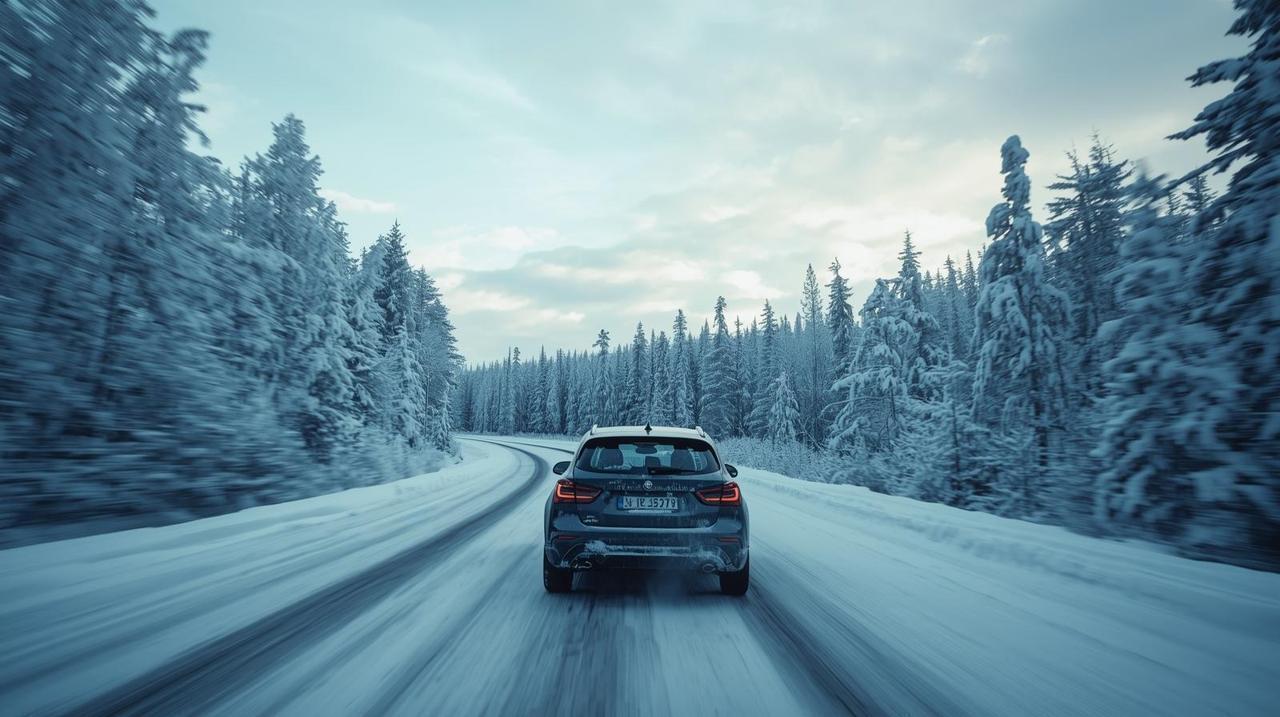
Embarking on a winter road trip in Iceland promises an awe-inspiring experience, showcasing breathtaking landscapes like frozen waterfalls and stark black-sand beaches. However, winter also presents its fair share of challenges, including unpredictable weather, icy roads, and limited daylight. To navigate these conditions safely while enjoying the captivating beauty of Iceland, a comprehensive planning strategy is essential. This guide provides invaluable steps for preparation, packing, navigation, and safe driving during the winter season.
Understanding Winter Conditions in Iceland Before Heading Out
Iceland's winter extends from late October to early April, characterized by temperatures that can fluctuate from mild to harshly cold. Yet, it’s the unpredictability of the weather that can be more concerning. Storms can appear suddenly, ramping up winds and snowfall without notice.
Challenges of Winter Driving
• Strong winds that can push vehicles off course
• Frequent snow squalls and storms
• Icy surfaces, particularly in northern and rural areas
• Limited daylight hours of only 4-5 in December
Due to these variables, it is vital to monitor weather and road conditions regularly. Official Icelandic resources provide real-time updates that can help mitigate risks.
Selecting the Optimal Vehicle for Winter Travel
Your winter road trip's safety starts with choosing a suitable vehicle. While 2WD vehicles may be more economical, they can struggle on icy paths and rural roads.
Benefits of a 4x4
• Enhanced control on snow-covered roads
• Improved traction on steep or uneven trails
• Greater stability against strong winds
A 4x4 SUV is highly recommended for ensuring comfort and control during your journey.
Pre-Rental Checklist
• Studded winter tires
• Emergency gear from the rental agency
• Unlimited mileage options
• Comprehensive insurance covering sand, ash, and gravel
Rural roads often present loose gravel and ice patches, so having the right insurance can save you from steep repair costs.
Route Planning Based on Daylight and Weather Conditions
Winter driving necessitates careful planning due to restricted daylight.
How to Create a Safe Itinerary
• Limit daily driving to 3–5 hours
• Select accommodations near your intended route
• Avoid mountain passes during adverse weather
• Stick to main roads for sightseeing
Famous winter routes like the Golden Circle, South Coast to Jökulsárlón, and sections of the Ring Road are well-maintained and frequently serviced.
The Importance of Flexibility in Planning
Weather alerts can disrupt your plans, so a flexible itinerary helps maintain peace of mind and safety.
Daily Monitoring of Weather and Road Alerts
Iceland's weather can shift dramatically within hours. To remain safe, you should regularly check conditions.
Key Alerts to Watch
• Ongoing storms
• Wind speeds
• Snow accumulation
• Closed roads
Emergency services often advise postponing travel during severe weather, making it essential to heed these warnings to avoid accidents or being stranded.
Key Items to Pack for Winter Travel in Iceland
Your safety increases significantly with the right gear in your vehicle.
Winter Driving Essentials
• Phone charger and backup battery
• Paper maps in case of GPS failure
• Non-perishable food and water
• Thermal blankets
• Extra clothing and headlights
Being prepared ensures warmth while waiting for assistance in case you get stuck.
Driving Responsibly on Icy and Snow-Covered Roads
Even with a 4x4, careful driving is crucial in Iceland's winter roads.
Safe Driving Techniques
• Drive slowly and allow extra time for braking
• Avoid abrupt steering movements
• Utilize lower gears when descending steep roads
• Keep headlights on at all times
Icy patches may be concealed and appear dry; this hidden hazard, known as “black ice,” is prevalent throughout the season.
When to Refrain from Driving
• During red weather alerts
• At night in unfamiliar locales
• When visibility is compromised
Listening to local advice is essential as residents can offer valuable insights about road conditions.
Strategy for Stops and Fueling
Fuel stations can be sparse in rural parts of Iceland, especially during winter months.
Fueling Practices
• Refill your tank when it hits 50% capacity
• Bring snacks as some stations have limited supplies
• Use main stations along well-traveled routes
Running out of fuel during winter can put you in a precarious situation, particularly in dropping temperatures.
Choosing Accommodations for Winter Travels
To accommodate for potential delays, secure flexible, centrally-located lodging.
Factors to Consider
• Options for free cancellation
• Proximity to major roads
• Heating and warm bedding provisions
• Paths cleared of snow for parking
Avoid booking in remote areas unless you’re highly experienced with winter operations.
Safety Measures During Storms and Delays
Even the most prepared travelers can be caught off guard by sudden weather shifts.
Actions to Take During a Storm
• Stay indoors at your accommodation
• Do not attempt to drive short distances
• Continuously check updates
• Inform your next accommodation if late
Iceland prioritizes safety, promoting waiting out storms instead of risking unsafe travel.
Planning Sightseeing Prioritizing Safety
The beauty of winter in Iceland is undeniable, yet some areas can turn hazardous when icy.
Popular Winter Destinations
• Gullfoss
• Skógafoss
• Seljalandsfoss
• Reynisfjara Black Sand Beach (with caution)
• Jökulsárlón Glacier Lagoon
Always heed posted safety notices, especially at Reynisfjara Beach, which experiences powerful sneaker waves during winter.
Knowing When to Skip an Attraction
While avoiding a site may be disappointing, safety must always be prioritized.
Criteria for Skipping
• Icy pathways
• Wind speeds above safe levels
• Poor visibility conditions
• Active storm warnings
Choosing not to visit a site is wiser than risking an accident due to slippery roads.
Emergency Preparedness
While Iceland is relatively safe, winter driving involves potential hazards.
Key Emergency Insights
• Dial 112 for urgent help
• Stay inside your vehicle during storms
• Activate hazard lights if you stop roadside
• Layer clothing to stay warm rather than relying solely on vehicle heating
Although local rescue teams respond promptly, accessing remote positions may take time.
Final Thoughts on Enjoying Iceland Responsibly
A winter journey through Iceland can be enchanted with careful planning. With the right 4x4 vehicle, continuous weather checks, a flexible itinerary, and specialized driving skills, you can experience Iceland’s stunning scenery while ensuring your safety. A respectful attitude towards nature and awareness of the environment are crucial for a successful endeavor. Whether exploring waterfalls, icy shores, or magnificent glaciers, thoughtful preparation allows you to enjoy your adventure without undue peril.
Disclaimer
This guide is intended for general traveler guidance and safety advisement. Iceland’s winter conditions can swiftly shift, and driving during severe weather poses risks. Travelers should consistently consult official weather and road updates, adhere to local safety protocols, and seek professional counsel prior to organizing a winter journey. The author bears no responsibility for decisions made based on the information provided.


 English