Post by : Anis
Al-Rashid
A Hidden Emergency Underscoring Aquifers
In India, water scarcity often brings to mind arid lands, low reservoirs, and thirsty fields. However, the gravest challenge lies beneath the earth's surface. Groundwater, which serves as the primary water source for drinking and agriculture across the country, is being depleted at a rate that far exceeds its replenishment.
Recent studies indicate that by 2026, the disparity between groundwater recharge and extraction is alarmingly wide. This growing gap poses a dire threat to food security, urban water supply, rural economies, and ecological balance. Unlike visible water crises, groundwater depletion often goes unnoticed until aquifers run dry.
The Importance of Groundwater in Today's Climate
Essential for Water Security
Groundwater plays a crucial role in India's overall water consumption. It is a lifeline for countless farmers, a primary source for households in both urban and rural settings, and vital for many industries, including textiles and energy.
For numerous regions, especially those susceptible to drought, groundwater does not merely act as a secondary source of water; it is the foremost necessity.
A Resource Often Overlooked
Historically, groundwater was regarded as an endless resource. With easy access through borewells and subsidized electricity, its extraction was widespread and largely unregulated, masking future repercussions.
The Process of Groundwater Recharge
Naturally Replenishing Aquifers
Groundwater recharge occurs as rainwater and surface runoff infiltrate soil and rock layers, replenishing underground aquifers. This process is influenced by factors such as rainfall quantity, soil characteristics, land usage, and geological conditions.
In natural ecosystems, recharge happens gradually and inconsistently, often requiring extended durations to recover depleted aquifers.
The Monsoon's Role in Recharging
India’s monsoon is vital for groundwater replenishment. An effective monsoon facilitates the absorption of rainwater into the ground, but unpredictable rainfall trends disrupt this necessary cycle.
Increasing Extraction Demands
Agricultural Water Consumption
Agriculture represents the largest portion of groundwater utilization in India. Crops that require abundant water, such as rice and sugarcane, often flourish in areas where rainfall and soil conditions may be inadequate.
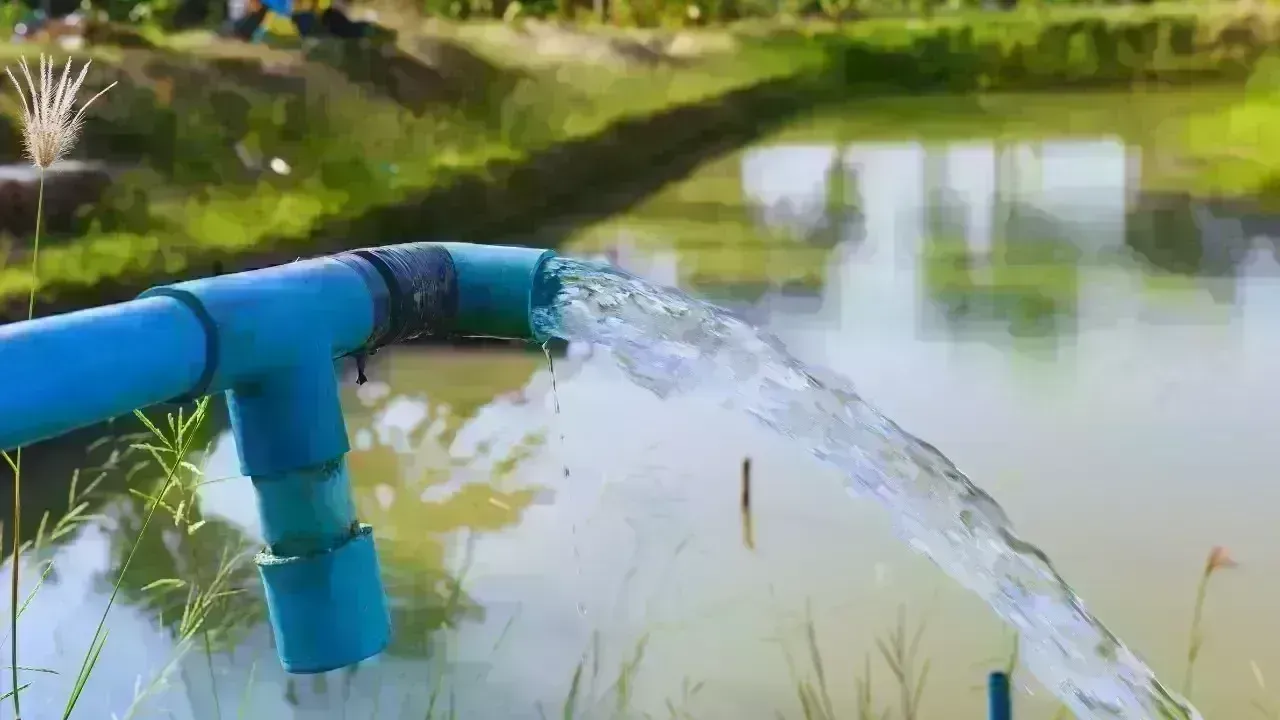
The growth of tube wells and borewells permits farmers to draw water from deeper layers, sustaining short-term output but hastening depletion.
Urban and Industrial Water Needs
Rapid urban growth exacerbates the issue. Cities are increasingly dependent on groundwater to make up for failing surface water systems, while industrial facilities consume substantial amounts from aquifers for processing and cooling activities.
The Escalating Disparity Between Recharge and Extraction
Indicators of Structural Imbalance
Recent evaluations reveal that in many districts, water extraction rates surpass annual recharge. This crisis is particularly acute in northwestern and peninsular regions of India.
Aquifers are being exploited rather than managed, leading to declining water tables year after year.
Deep Wells, Increased Costs
As surface-level aquifers become depleted, users are forced to drill deeper, raising costs and energy use. This creates a compounding cycle where diminished water sources lead to increased extraction.
Impact of Climate Change on Groundwater
Unpredictable Rain Patterns
Climate change is reshaping rainfall distribution across India. Short, intense rains result in runoff instead of replenishment, diminishing effective groundwater recharge.
At the same time, prolonged dry spells elevate dependency on groundwater, amplifying extraction pressures.
Heat Increasing Water Requirements
Elevated temperatures heighten evapotranspiration, subsequently increasing the water demands of crops, particularly during extended periods of high heat.
Geographical Areas Facing Groundwater Stress
Northwestern India’s Aquifer Challenges
Regions in northwestern India experience some of the most severe rates of groundwater depletion. Extensive irrigation practices combined with inadequate recharge exacerbate these challenges.
Urban Strains in Southern and Central India
Rapid urban expansion in southern and central areas is increasingly reliant on groundwater, resulting in targeted zones of severe depletion.
Consequences for Agriculture and Food Security
Immediate Benefits Versus Long-Term Risks
While groundwater extraction has spurred agricultural growth in the short term, significant long-term risks loom ahead. Falling water levels jeopardize crop health, inflate operational costs, and diminish farmer incomes.
Re-evaluating Crop Varieties
Experts believe that regions facing water stress must pivot from water-intensive crops to more climate-resilient alternatives.
Drinking Water and Public Health Challenges
Water Scarcity in Rural Areas
Many rural villages are witnessing wells that once reliably provided water drying up. Often, women and children bear the burden of traveling to distant sources.
Quality Concerns
As water levels decrease, risks of contamination rise. Issues like fluoride, arsenic, and salinity have surfaced in various regions, posing serious health risks.
Governance and Institutional Role
Monitoring Groundwater Levels
Organizations like the Central Ground Water Board are pivotal in tracking groundwater levels and publishing reports.
These documents offer valuable insights and underscore the enormity of the challenge at hand.
Weak Regulatory Frameworks
Despite heightened awareness, regulations governing groundwater remain fragmented. In many places, groundwater continues to be regarded as a private commodity tied to land ownership, hampering effective oversight.
Enhancing Recharge and Conservation
The Importance of Rainwater Harvesting
Techniques for artificial recharge, including rainwater harvesting, recharge pits, and check dams, are gaining traction to bolster groundwater replenishment.
Urban mandates for rainwater harvesting have shown potential where applied correctly.
Revitalizing Traditional Water Management
Traditional systems like stepwells, tanks, and ponds have historically played a crucial role in recharge. Current efforts are now emphasizing their revival as a sustainable, community-focused solution.
The Role of Technology in Groundwater Management
Utilizing Remote Sensing
Satellite imagery and remote sensing technologies now provide insights into groundwater fluctuations over extensive areas. These tools are essential for timely interventions.
Implementing Smart Irrigation Techniques
Methods such as drip irrigation, soil monitoring, and crop scheduling can drastically cut water usage without diminishing crop yield.
Socioeconomic Impact of Groundwater Depletion
Increasing Inequality
As groundwater becomes scarce, affluent farmers and urban dwellers can afford deeper wells, leaving disadvantaged communities at risk.
Consequently, water scarcity amplifies existing social and economic inequities.
Migration Trends
In certain areas, dwindling water supplies lead to rural distress and migration, intensifying pressure on urban centers.
Policy Directions and National Initiatives
National Prioritization of Water Conservation
The sustainability of groundwater has emerged as a crucial national agenda. Current policies stress managing demand alongside bolstering supply.
Transitioning from Exploitation to Stewardship
The narrative is gradually shifting from a focus on excessive extraction to the responsible management of groundwater resources.
Global Perspectives and Lessons Learned
A Collective Global Challenge
India is not isolated in this struggle. Global groundwater depletion impacts countries across Asia, Africa, and the Americas.
International case studies reveal that effective regulation, proper pricing strategies, and community involvement are vital for sustainable management.
Can Recharge Ever Overcome Extraction?
The Necessity for Behavioral Changes
Technical fixes are insufficient. Comprehensive groundwater management demands alterations in agricultural practices, consumption patterns, and governance frameworks.
Community Engagement and Local Solutions
Groundwater management is fundamentally local in nature. Successful cases illustrate that community-led governance can yield effective conservation strategies.
The Consequences of Inaction
Risking Irrecoverable Thresholds
Unlike surface water supplies, depleted aquifers can take decades or even centuries to recover. Some may not fully recuperate at all.
Reaching this point could confine regions to permanent water shortages.
Addressing an Urgent Environmental Challenge
The balance of groundwater recharge and extraction represents one of India’s critical environmental challenges in 2026. It reflects profound conflicts between growth and sustainability, short-term benefits and long-term security.
How this balance is managed will influence not only water accessibility but also the future of agriculture, urban centers, and livelihoods across the nation.
Towards a Sustainable Water Future
India is currently at a pivotal moment regarding its groundwater resources. The decisions made today surrounding agriculture, urbanization, energy management, and policy will determine water security for future generations.
It is feasible to close the gap between recharge and extraction, but this can only be realized through unified efforts, informed policies, and shared accountability. Beneath the surface, time is of the essence.
Disclaimer
This article is designed solely for informational and editorial purposes. Groundwater data and evaluations may differ by geographical location and fluctuate over time. Readers are encouraged to refer to official governmental and scientific publications for the most accurate and up-to-date information.


 English