Post by : Sami
Al-Rahmani
Essential Guide for Winter Travel in Iceland: Safety, Clothing & Road Tips
Wintertime trips to Iceland can be enchanting yet challenging. From breathtaking landscapes to mesmerizing northern lights, winter offers a unique charm, but the inclement weather and limited daylight necessitate thorough preparation. This guide presents a clear checklist covering essential aspects like road conditions, clothing, safety measures, and practical travel tips for an enjoyable experience without unexpected hurdles.
Understanding Iceland's Winter Environment
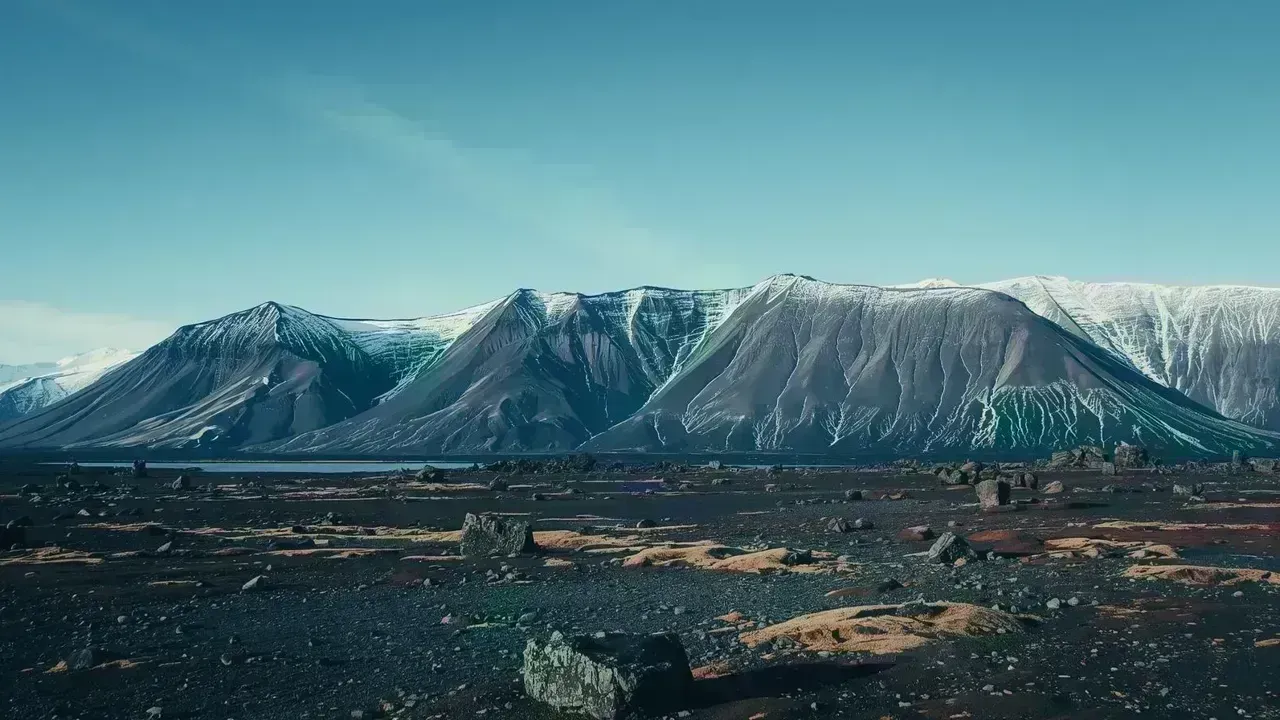
Winter in Iceland typically spans from November to March, with some conditions lingering into April. Average temperatures hover between -1°C to 5°C; nevertheless, strong winds can amplify the chill. Snowfall differs throughout regions, making sudden weather changes a norm. Daylight is sparse, particularly in December and January, with only four to five hours of light each day.
Winter Road Conditions in Iceland
Icelandic roads may be icy, snow-laden, and treacherous. Major routes such as Route 1, known as the Ring Road, are generally kept clear, though conditions can alter swiftly due to wind and snow. Highland paths and mountain roads often shut down completely throughout winter.
Driving in these conditions demands both confidence and caution. Black ice frequently forms, especially on bridges and shaded regions. Bear in mind, strong winds can impact vehicle stability, particularly for larger cars. Always check road conditions daily and stay prepared to adjust your travel plans.
Driving Safety for Tourists in Winter
While driving in winter can be done safely, it requires proper readiness and flexibility. If icy roads or short daylight make you uneasy, consider guided tours as a safer option. Experienced tour operators track weather conditions and adapt routes as needed. For those driving themselves, planning shorter travel days and abstaining from night journeys when possible is advisable.
Winter Clothing Essentials
Appropriate attire is critical for comfort and safety during Iceland's winters. Layering is vital due to the volatility of the weather and indoor heating.
A waterproof and windproof jacket is crucial. Thermal undergarments help retain body heat, while insulated mid-layers—fleece or down jackets—provide additional warmth. Waterproof pants are necessary to shield against snow and wet climates. Thermal socks are important for foot warmth, and carrying spare pairs is recommended.
Insulated waterproof footwear with effective grip is essential for navigating snowy and icy terrain. Insulated and windproof gloves are advised, along with a warm hat that covers the ears, complemented by a neck gaiter or scarf for additional protection against frigid winds.
The Importance of Waterproof Gear
The cold in Iceland often pairs with moisture from snow, rain, or sleet. Remaining dry is more essential than simply wearing bulky clothing—wet clothing can hasten heat loss and discomfort. Opting for waterproof outer layers along with insulating inner layers provides optimal protection against the elements.
Footwear Safety on Icy Surfaces
Many paths and sightseeing areas can be icy during winter. Footwear lacking adequate grip increases the risk of slips and injuries. Sturdy boots with solid traction are recommended, and some travelers carry detachable ice cleats for enhanced grip where needed, particularly around waterfalls.
Key Roads Safety Tips
If you plan on driving, it is strongly advised to rent a four-wheel-drive vehicle. Winter tires are mandatory in Iceland, and they are usually included in rentals. Always keep headlights on, even during daytime.
Carry a fully charged mobile phone, car charger, and emergency contact numbers, while informing someone of your daily travel plans—especially in remote locations. Fuel stations in rural settings may be sparse, so fuel up when you can.
Monitoring Weather Conditions
Weather in Iceland can shift rapidly. Storms may lead to immediate road closures, requiring consistent monitoring of weather forecasts and road condition updates before setting out each day. Including buffer days in your itinerary can help accommodate potential weather-related delays.
Never drive during severe weather alerts; disregarding warnings can lead to accidents or dangerous rescue situations.
Planning Around Daylight Limitations
Limited daylight can pose challenges during winter months. In December, daylight might only be available between 11:30 AM and 3:30 PM. Schedule sightseeing for daylight hours and avoid tight timelines. Prioritize photography, road trips, and outdoor attractions during periods of light.
Tips for Viewing the Northern Lights
Winter offers prime opportunities for observing the northern lights. Clear skies and minimal light pollution enhance your viewing prospects. Daily checks of aurora forecasts and cloud coverage are key. Dress warmly and prepare for extended waits outdoors.
For first-time viewers, northern lights tours are recommended, as guides can optimize viewing conditions based on real-time weather updates.
Winter Accommodation Suggestions
Choosing well-situated accommodations minimizes travel risks. Opt for hotels or guesthouses along main roads rather than secluded spots if conditions deteriorate. Many lodgings provide heating, blackout curtains, and wake-up calls for aurora viewing.
Flexible cancellation policies are advantageous should weather necessitate itinerary adjustments.
Food and Essential Supplies in Winter
In winter, restaurants and grocery stores may have limited operating hours, particularly outside Reykjavik. Bringing snacks and water for longer treks is wise. Hot meals and beverages are invaluable to maintain body warmth during outdoor excursions.
Health and Safety Considerations
Cold weather heightens the risk of dehydration, fatigue, and frostbite discomfort. Stay hydrated even if you're not thirsty, and take breaks to warm up indoors. Avoid surfaces with unstable ice near rivers, coastline, and cliffs.
Acquiring travel insurance that covers winter sports, weather disturbances, and medical emergencies is vital.
Touring vs. Self-Driving in Winter
Winter excursions offer safety and convenience for activities such as glacier hiking and northern lights expeditions, while self-driving allows for greater flexibility but requires skills and caution. Many travelers opt for a combination, using guided tours for more complex activities and self-driving for shorter treks.
Avoiding Common Winter Travel Pitfalls
Misjudging weather could lead to rushed plans and unsafe driving. Non-waterproof footwear poses discomfort and injury risks. Ignoring weather alerts can disrupt trips, and failing to accommodate buffer days can heighten stress.
Best Winter Months to Visit Iceland
November and March strike a balance between winter scenery and increased daylight. December and January provide a peak winter ambiance with minimal light while February offers better chances to see the northern lights along with slightly lengthened days.
Experiencing Iceland in winter is stunning but requires due regard for nature and thoughtful planning. With the right clothing, realistic schedules, awareness of road conditions, and safety-first measures, your winter adventure can become a memorable journey. Preparation is key to safely enjoying Iceland’s rugged beauty.
Disclaimer
This article serves an informational purpose only. Weather conditions, road states, and safety guidelines may change without notice. Travelers should always verify official updates prior to and during their visits.


 English