Post by : Meena
Hassan
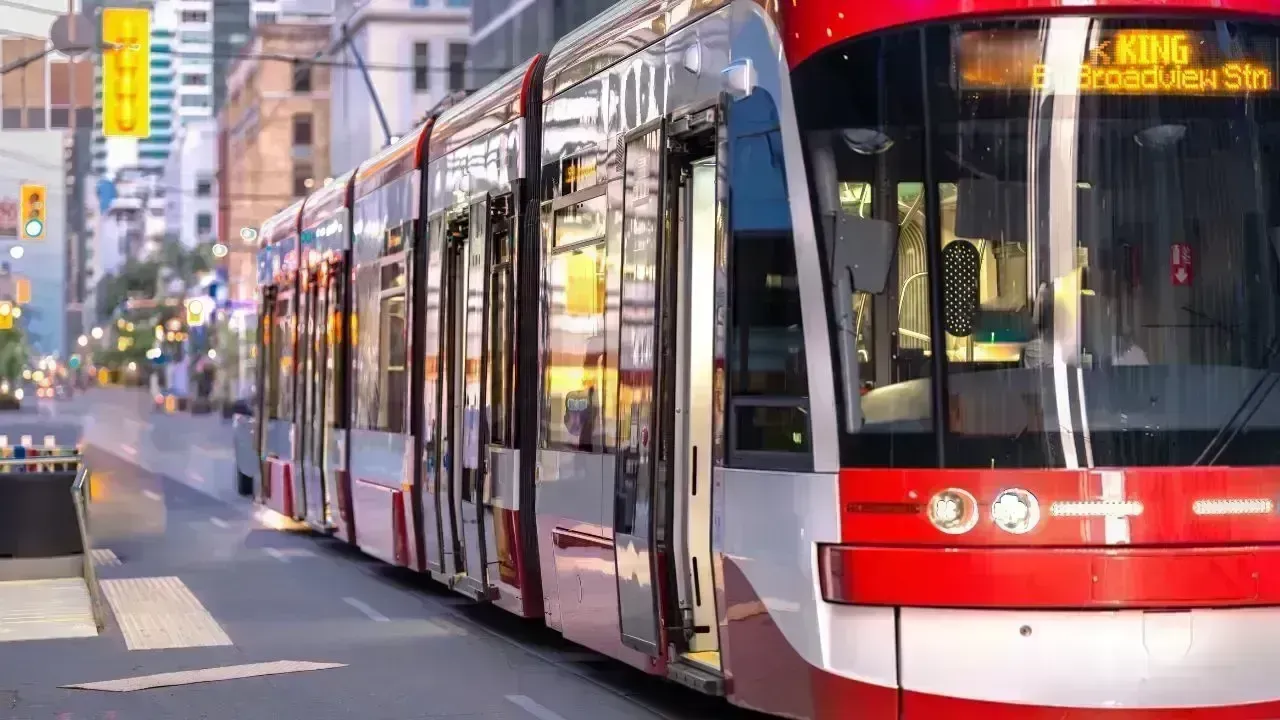
Calgary Transit is poised to receive an increase in funding as proposed in next year’s city budget, yet leaders express concern that it won't suffice to meet the service improvements desired by Calgarians.
During budget deliberations at city hall, transit officials revealed that the operating budget is projected to rise to $417 million in 2025, with an additional $59 million allocated for 2026 encompassing both operational and capital expenses.
Mayor Jeromy Farkas stated that Calgary’s transit infrastructure is overstretched, remarking, “We have a lot of bread and not enough butter,” as he advocated for increased investment.
A pivotal aspect of the new budget includes $14 million to enhance frequency on major bus routes, marking an initial stride toward the long-term RouteAhead strategy, which aspires to provide buses every 10 minutes for a minimum of 15 hours daily, seven days a week.
Transit director Sharon Fleming acknowledged the additional funding as beneficial, yet still falling short of annual recommendations outlined in the plan. She also pointed out that the proposed budget does not account for the $45 million needed annually to expand the bus fleet over the next decade. Without additional buses, she emphasized, significant service level improvements would be challenging to implement.
The enhancements are primarily aimed at busy main routes, while neighbourhood bus routes—referred to as the “base network”—will not see modifications within this budget. Ward 4 Councillor DJ Kelly expressed disappointment, highlighting that dependability on local routes is essential for many transit users.
A council presentation indicated that Calgary receives significantly less provincial funding for transit compared to cities such as Vancouver and Toronto. Experts pointed out that other provinces generally provide direct operating subsidies to sustain services, a practice that Alberta does not follow.
Debate among councillors included potential cost-saving measures like scrapping the downtown free fare zone and discontinuing free rides for children under 12, which amounts to around $10 million yearly. Further suggestions included raising adult fares to $4 to generate additional revenue.
Additionally, the budget outlines $25 million in one-off funding from reserves for the Low Income Transit Pass, bringing the program’s total expenditure to over $50 million next year.
Mayor Farkas expressed a commitment to lobbying other governments for additional transit funding while striving to enhance reliability and safety for riders.
Starting next year, adult fares are slated to see a 10-cent increase, which translates to a 2.6 percent rise.


 English