Post by : Sami
Al-Rahmani
Is the Charm of Visa-Free Travel Diminishing Due to Overcrowding and Escalating Prices?
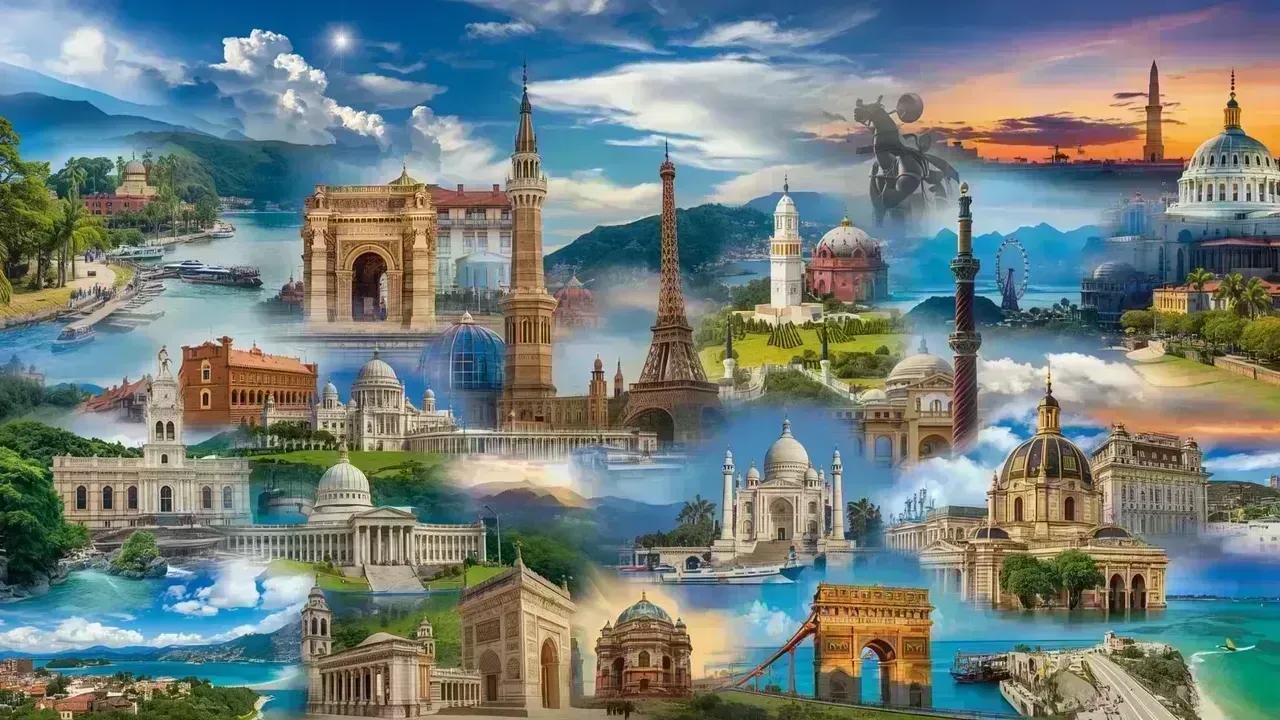
Once hailed as a cost-effective travel option, visa-free travel now raises questions among globe-trotters. With no need for visa appointments or extensive documentation, travelers could simply pack their bags and set off. However, a worrying trend has surfaced as we approach 2026: are these visa-free spots becoming overcrowded and expensive?
As feedback from travelers suggests, hotels are more costly than ever, attractions are packed, and peaceful beaches have turned into bustling hotspots. This article delves into the shifts in visa-free travels, the potential loss of value, and strategies for smart travel amid these changes.
Factors Behind the Popularity of Visa-Free Travel
Several compelling reasons contributed to the surge in interest in visa-free nations.
Accessibility
Eliminating visa requirements opened doors for novices, young professionals, digital nomads, and families.
Reduced Initial Expenses
Travelers benefitted from the absence of visa fees and documentation-related charges.
Culture of Impromptu Travel
Last-minute trips became appealing, leading to a boom in spontaneous tourism.
Social Media Influence
Platforms like Instagram and YouTube showcased these visa-free locations as enticing options, sparking increased interest.
However, what began as a simple travel choice has led to an influx of mass tourism.
The Link Between Relaxed Visa Policies and Overcrowding
Removing entry barriers tends to dramatically increase tourist arrivals.
Quick Surge in Tourists
Countries that eased visa restrictions often saw tourism growth outpace the development of essential infrastructure.
Focus on Popular Destinations
Travelers tend to cluster in well-known cities and attractions, leading to crowding rather than diversified tourism.
Seasonal Strain
Peak travel periods now bring overwhelming numbers, resulting in fully-booked accommodations and congested streets.
This overcrowding alters the entire experience of travel.
The Impact of Overcrowding on Travel Expenses
As the demand outstrips supply, prices naturally increase.
Rising Accommodation Costs
Hotels and rentals elevate their rates during high-demand periods, with budget options disappearing first.
Increased Flight Prices
Demand for popular visa-free routes leads to regular fare hikes during peak seasons.
Escalating Food and Activity Costs
Eateries in tourist-centric areas adjust prices to cater to foreign spending habits, impacting overall affordability.
Hidden Expense Growth
Local transportation, entry fees, and guided tours gradually become pricier.
This indicates that visa-free doesn't necessarily mean budget-friendly anymore.
Effects on Local Communities
Overcrowding influences not just visitors but local residents as well.
Increased Cost of Living
Tourist demand is driving up local rent and food prices.
Cultural Erosion
Authentic experiences are swapped for services that cater primarily to tourists.
Infrastructure Strain
Public transport and natural resources are under pressure.
Many destinations are re-evaluating their approach to tourism growth.
Where Overcrowding is Evident
A number of visa-free destinations are clearly reaching saturation levels.
Coastal Areas
Popular beaches and islands are facing overcrowding, pollution, and a lack of accommodations.
Historical Towns
Old city centers are struggling with tourist numbers exceeding the local population.
Nature-Oriented Areas
National parks and hiking spots suffer environmental wear due to excessive use.
These challenges prompt governments to rethink tourism policies.
Are Visa-Free Destinations Losing Their Appeal?
Not quite—but traveler expectations are shifting.
Shifts in Expectations
-
Prices have risen significantly
-
Famous locations are often crowded
-
Genuine experiences are harder to find
What Still Holds Value
The Effect of Social Media on Travel Trends
Social media is a significant driver of overcrowding.
Trending Locations
One viral post can lead to a rush of visitors to certain destinations.
Copycat Itineraries
Many travelers follow the same routes and choose the same accommodations.
Short-Lived Popularity
Destinations gain and lose popularity remarkably fast, increasing demand without proper planning.
Government Responses to Overcrowding
Countries are beginning to refine their tourism policies.
Visitor Limits
Some places are now capping daily visitors in sensitive zones.
Tourist Fees
New charges have been implemented to manage tourist numbers and enhance infrastructure.
Promotion of Less-Known Areas
Governments are seeking to divert travelers from hotspots to equally appealing but less-visited locales.
These actions aim to balance tourism and sustainability.
Is Visa-Free Travel Still Worthwhile in 2026?
Absolutely—if approached wisely.
Timing is Key
Traveling in off-peak seasons can lead to better prices and fewer crowds.
Choosing Your Destination Wisely
Opt for secondary cities or lesser-known regions to derive more value.
Adjusting Your Expectations
Visa-free travel now centers around ease of access, not necessarily the lowest prices.
Those who adapt can still benefit greatly.
Smart Strategies to Dodge Crowds and Higher Costs
Explore Alterative Locations
Instead of big cities, discover smaller towns with rich cultural offerings.
Travel During Off-Season
While weather conditions may differ, the financial savings can be substantial.
Longer Stays
Staying longer can often prove more economical than regular short-term bookings.
Bypass Viral Hotspots
Stay clear of trending destinations often showcased on social media.
Support Local Enterprises
Dining at local restaurants and staying at guesthouses provide authentic and affordable options.
The Rise of 'Soft Visa' and E-Visa Options
As visa-free destinations get crowded, there's a noticeable shift toward easy e-visa countries that maintain value.
Significance of This Shift
Future Perspective on Visa-Free Travel
Visa-free travel is not going away, but it will evolve.
-
Prices are expected to stabilize at a higher benchmark
-
Increased regulations are anticipated
-
Sustainability will take precedence
-
Quality of travel experiences will matter more than sheer numbers
The trend towards intentional travel is on the rise.
Implications for Budget and Value-Oriented Travelers
Budget travel remains achievable but necessitates planning.
-
Look beyond mainstream travel blogs
-
Evaluate regions instead of merely countries
-
Prioritize experiences over checklists
-
Emphasize comfort and time, rather than just cost
Those who adapt seamlessly to changes will thrive.
Conclusion on the Reality of Visa-Free Travel
Visa-free destinations are not diminishing in quality—they are simply growing in popularity. With popularity comes challenges like increased costs and crowds, but it also leads to enhanced infrastructure and safety. The real issue isn't overcrowding; it’s managing outdated expectations.
Travelers who adjust their timing, destination choices, and approach can still find exceptional value in an increasingly busy world.
Disclaimer
This article serves only as a general informational resource. Travel costs, visitor levels, and entry regulations can fluctuate based on country, season, and traveler nationality, and may change unexpectedly. Readers should verify up-to-date travel guidelines, expenses, and local rules before planning international trips.


 English