Post by : Bianca
Haleem
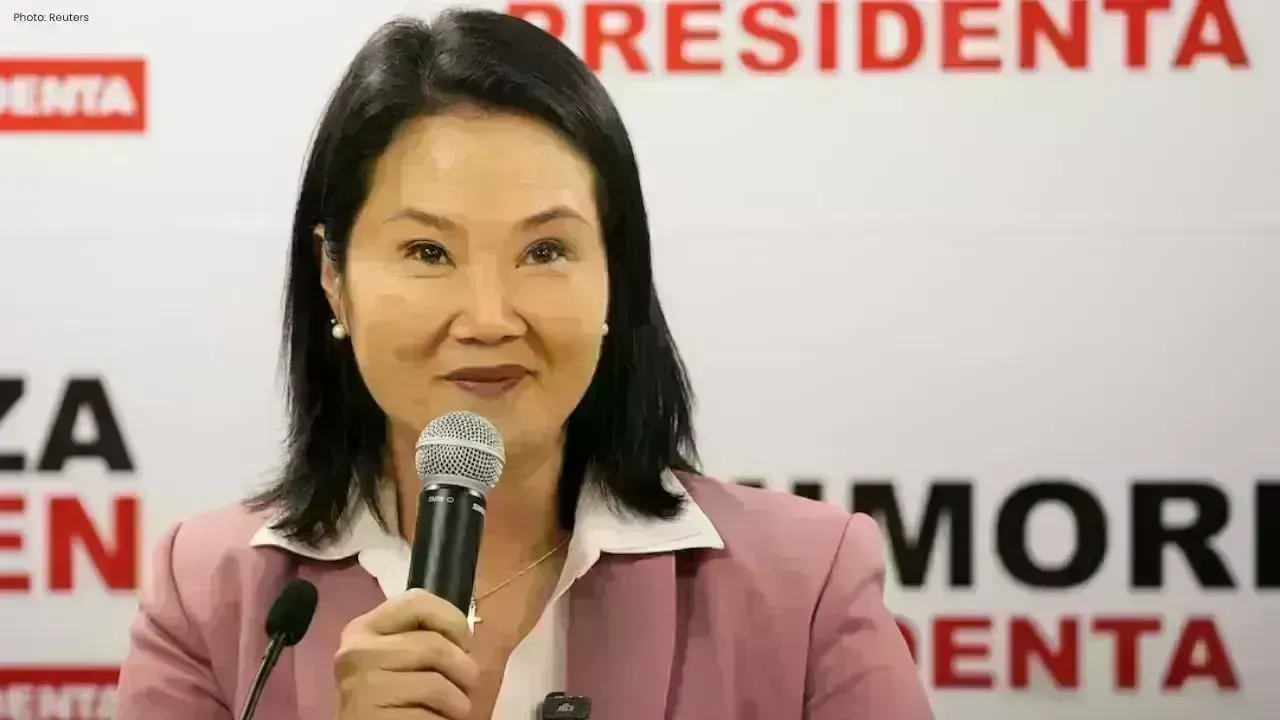
After weeks of protests, allegations of election fraud, and a review of disputed ballots, Peru's electoral authority officially declared conservative leader Keiko Fujimori the winner of the country's presidential election on Friday.
Fujimori secured 50.135% of the vote in the June 7 presidential runoff, narrowly defeating left-wing congressman Roberto Sanchez, who received 49.865%. The difference between the two candidates was about 50,000 votes out of nearly 18 million ballots cast, making it one of Peru's closest presidential races.
Following the official announcement, Fujimori shared a message on X, saying: "This is the beginning of a new phase. We assume it with responsibility, humility and profound sense of duty."
She added: "Every day of this transition is an opportunity to listen, dialogue and come prepared to start the new government."
Reversal of 2021 Election Result
The victory marks a major turnaround for Fujimori, who narrowly lost the 2021 presidential election by around 45,000 votes to former left-wing President Pedro Castillo.
Castillo was later impeached and jailed in 2022 after attempting to dissolve Congress. Roberto Sanchez is widely regarded as Castillo's political successor.
Sanchez Rejects the Election Outcome
Despite the official result, Sanchez said he would not recognize Fujimori's government. He alleged electoral fraud but did not provide evidence to support the claim.
Earlier during the vote count, Sanchez held a narrow lead and also won slightly more votes cast within Peru. He received strong backing from voters in the country's rural regions.
Read More: Qatar Reaffirms Global Commitment to Fight Terrorism at UN Review
Following the election, Sanchez led demonstrations challenging the outcome and submitted a complaint to the Inter-American Commission on Human Rights, questioning the election process.
Overseas Votes Helped Fujimori Secure Victory
Fujimori gained significant support from voters in the capital, Lima, and won the overseas vote by a wide margin. Those votes ultimately pushed her ahead and secured her victory.
The lengthy counting process and close result highlighted Peru's ongoing political divisions and instability, which have led to several presidents leaving office over the past decade.
Fujimori to Become Peru's 10th President Since 2016
Keiko Fujimori will officially take office on July 28. She will become the 10th president to assume office in Peru since the beginning of 2016.
She will replace interim President Jose Balcazar, who became president in February after a series of presidential removals linked to allegations of corruption or abuse of power.
Conservative Leaders Welcome the Result
Fujimori's victory strengthens the recent shift toward conservative leadership in parts of Latin America.
Among those congratulating her were Argentina's Javier Milei, Chile's Jose Antonio Kast, and El Salvador's Nayib Bukele.
US Secretary of State Marco Rubio also congratulated Fujimori in a statement issued on Tuesday, saying that the administration of President Donald Trump looks forward to expanding cooperation with Peru in the areas of security, investment, and trade.
Financial Markets Respond Positively
Financial markets reacted positively to Fujimori's victory after concerns over the possibility of a Sanchez presidency.
On Thursday, Moody's said a Fujimori administration is expected to maintain policy continuity, strengthen investor confidence, and support Peru's economic growth.
The report also said her government could help move forward delayed mining projects in Peru, the world's third-largest copper producer.
A Political Family That Divides Opinion
Keiko Fujimori, 51, is the daughter of former President Alberto Fujimori, who governed Peru from 1990 to 2000. He was widely credited with defeating Maoist insurgents and bringing hyperinflation under control.
However, the Fujimori family remains highly controversial. Alberto Fujimori served 16 years in prison for human rights abuses.
Keiko Fujimori also faced investigations over campaign financing allegations. Those cases were dropped last year. Between 2018 and 2020, she was jailed multiple times during the investigation and spent nearly one and a half years in prison.
Major Challenges Await the New President
As president, Fujimori will face the difficult task of bringing together a deeply divided country while working with a fragmented Congress that has frequently removed presidents from office.
Peru also continues to face a significant economic gap between Lima and rural regions. Following the removal of Pedro Castillo, protests and clashes with security forces in rural areas resulted in the deaths of more than 60 people.
Those same regions formed the core of Roberto Sanchez's support base. His party, Together for Peru, holds the second-largest bloc in Congress, while Fujimori's party controls the largest number of seats.


 English