Post by : Anis
Al-Rashid
A Renewed Focus on Our Oceans
Covering over two-thirds of the Earth, oceans are essential for climate regulation, oxygen production, and supporting livelihoods. However, for many years, their importance has been overlooked in global policy. In 2026, there is a notable shift.
Marine ecosystems are now a central topic in global environmental discussions, with warnings from scientists about the critical state of coral reefs, fisheries, and deep-sea habitats. Issues like rising ocean temperatures, pollution, and overfishing are escalating into a crisis that demands immediate attention.
What distinguishes this moment is the urgency felt across nations. Policymakers, conservationists, and communities are transitioning from mere awareness to actionable solutions, acknowledging the fundamental role of ocean health in human well-being.
Protecting Marine Biodiversity: The Stakes
Rich Life Beneath the Waves
Marine biodiversity encompasses a vast array of life forms, from minnows to whales and coral to deep-sea species. These organisms create food webs that support fisheries and maintain ecological balance.
Resilient oceans correspond with healthy marine diversity. A decline in biodiversity compromises ecosystems' ability to withstand disturbances such as pollution and climate change.
A Worrisome Trend of Decline
Research indicates that marine populations have plummeted in recent decades. Coral reefs, often dubbed the ocean's rainforests, are among the most vulnerable ecosystems on our planet.
Climate Change and Warming Oceans
Increased Temperatures and Coral Challenges
Oceans absorb most of the heat generated by climate change, which, while moderating land temperatures, places stress on marine ecosystems.
With marine heatwaves becoming more common, coral bleaching incidents have surged. Repeated bleaching significantly reduces corals' recovery chances.
The Challenge of Ocean Acidification
The absorption of CO2 by oceans makes seawater increasingly acidic. This negatively impacts shellfish and plankton, disrupting entire food chains.
Overfishing and Sustainability Issues
Threatened Fish Populations
Overfishing is a direct and severe threat to marine biodiversity, with vital fish stocks being harvested at a pace faster than their natural replenishment.
Illegal and unregulated fishing continues to undermine conservation efforts, especially in disputed waters.
Impact on Local Communities
Decreases in fish stocks have dire repercussions for food security and livelihoods, particularly among coastal communities in developing regions.
Plastic Pollution: A Growing Epidemic
The Plastic Crisis
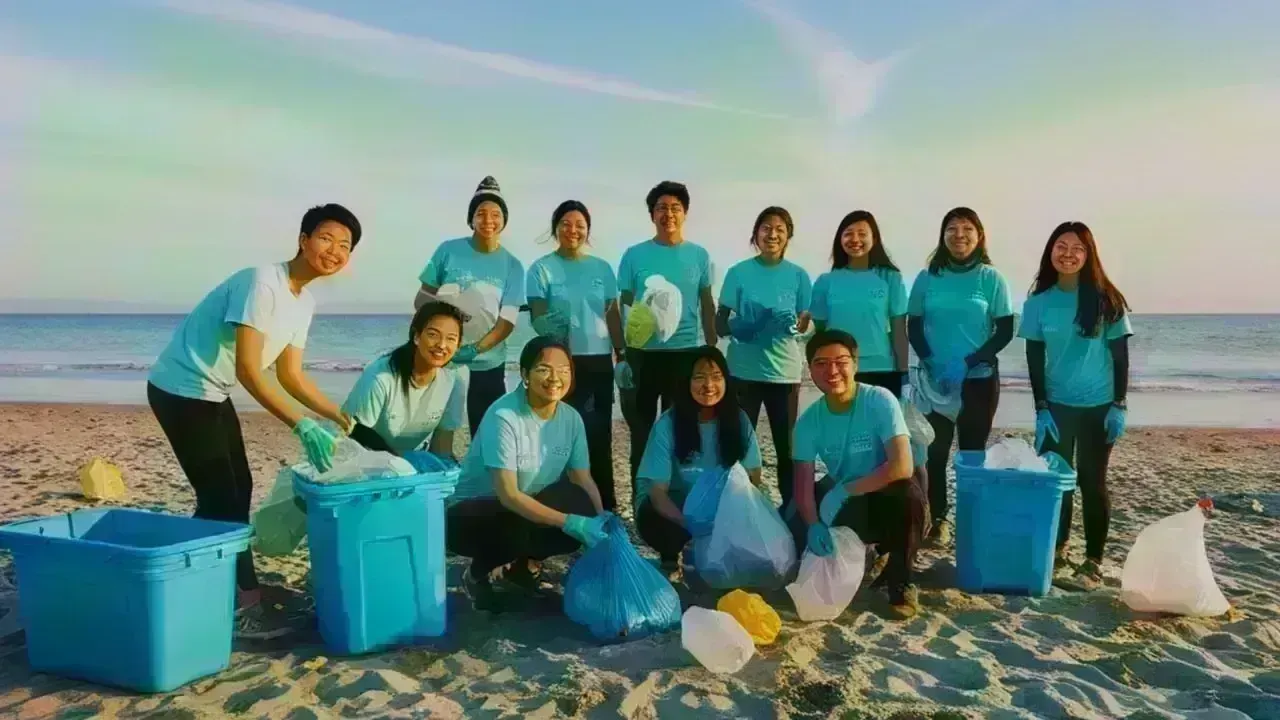
The influx of plastic waste is a glaring indication of ocean degradation. Millions of tons of plastic enter the oceans yearly, breaking down into microplastics that permeate marine food systems.
Marine life often mistakes plastic for food, leading to severe injuries and even starvation.
Concerns About Microplastics and Human Health
Microplastics have been detected in various food sources, prompting concerns over long-term human health repercussions.
The Expansion of Marine Protected Areas
A Conservation Strategy
A key development in 2026 is the expansion of marine protected areas aimed at preserving ecosystems by regulating human activity.
Evidence shows that well-managed marine protected zones bolster biodiversity and restore fish populations.
International Commitment to Support Marine Protection
Global agreements aim to safeguard at least 30% of the oceans by 2030. While progress is varied, more nations are designating protected areas.
The High Seas Treaty: A New Approach
Safeguarding the Waters Beyond Borders
A significant portion of the ocean remains under no specific national jurisdiction. The High Seas Treaty, bolstered by the United Nations, represents a crucial shift in international ocean governance.
This treaty facilitates the establishment of protected regions in international waters alongside guidelines for environmental assessments.
The Importance of Governance
Without governance, high seas are susceptible to unregulated exploitation. Global collaboration is pivotal for conserving biodiversity on a grand scale.
Innovations in Coral Reef Restoration
Moving Towards Restoration
Conservation initiatives are increasingly focusing on restoration. Efforts such as coral nurseries and heat-resistant coral varieties showcase innovative strategies towards reef health.
While restoration efforts can't substitute for direct climate action, they provide a glimmer of hope for preserving vital reef ecosystems.
Engaging Local Communities
Community involvement in reef monitoring and restoration blends traditional practices with scientific approaches, proving effective in conservation efforts.
Blue Carbon Ecosystems: Mangroves and Seagrass
Nature’s Climate Solutions
Recognizing their role in carbon capture, mangroves and seagrasses are essential in climate resilience, often termed blue carbon ecosystems.
These ecosystems provide significant carbon storage while shielding coastlines from erosion.
Rapid Restoration Efforts
Restoring mangroves offers numerous benefits including climate mitigation and job creation for coastal communities.
Technological Advances in Conservation
Using Satellites and AI for Monitoring
The integration of satellites, AI technologies, and drones is transforming ocean monitoring. These advancements allow for quick detection of illegal activities and environmental degradation.
These innovations enhance enforcement and transparency, especially in remote areas.
Community-Driven Data Initiatives
Active participation from divers, fishers, and coastal residents enriches data collection efforts, thereby strengthening conservation initiatives.
Fisheries Management and Policy Changes
Transitioning to Sustainable Management
More nations are embracing science-based fisheries management practices, aligning catch limits with the health of marine ecosystems.
Certification programs enable consumers to support sustainable choices.
Incentives for Sustainability
Economic strategies that harmonize financial incentives with conservation goals are recognized as essential for the future.
Food Security Linked to Oceans
Increasing Global Reliance
Seafood remains a primary protein source for billions worldwide. Ensuring responsible fishing is integral for future food security.
Aquaculture must be managed sustainably to mitigate environmental impacts.
Impact on Coastal Communities
Frontline Experiences
Coastal communities often first feel the consequences of ocean degradation. Strengthening their rights to manage resources has shown more success than top-down actions.
Youth Engagement and Awareness Initiatives
A Wave of New Advocates
Youth-led initiatives are invigorating ocean conservation efforts. Through social media, educational outreach, and grassroots activism, public perception is transforming.
The Economic Costs of Inaction
A Threat to Economic Stability
Oceans underpin various industries worth trillions, such as fisheries and tourism. Neglecting ocean health jeopardizes economic progress.
Remaining Challenges
Funding and Enforcement Shortfalls
Many conservation projects face budget constraints and insufficient regulation, notably in underfunded regions.
Urgent Climate Action Needed
Without significant cuts in global emissions, conservation efforts will battle against the ongoing realities of ocean warming.
The Importance of 2026 as a Milestone Year
The state of ocean conservation in 2026 reflects the recognition that marine life is crucial to human existence. Although the hurdles are considerable, a unified international response is underway.
The choices made today regarding protection, pollution, and sustainable use will influence ocean health for generations.
Saving Our Seas Is Equally Saving Ourselves
Oceans are finite resources. They are living ecosystems under pressure but show potential for recovery if given the opportunity.
The perspectives on ocean conservation in 2026 convey a crucial message: delay can cost lives and livelihoods, while rightful actions can pave the way for ocean rejuvenation and a secure future.
Disclaimer
This article serves informational purposes. Realized conservation relies on policy enactments and global collaboration. Readers are encouraged to stay updated on official environmental initiatives.


 English