Post by : Sami
Al-Rahmani
Key Overlooked Aspects for Your First International Journey
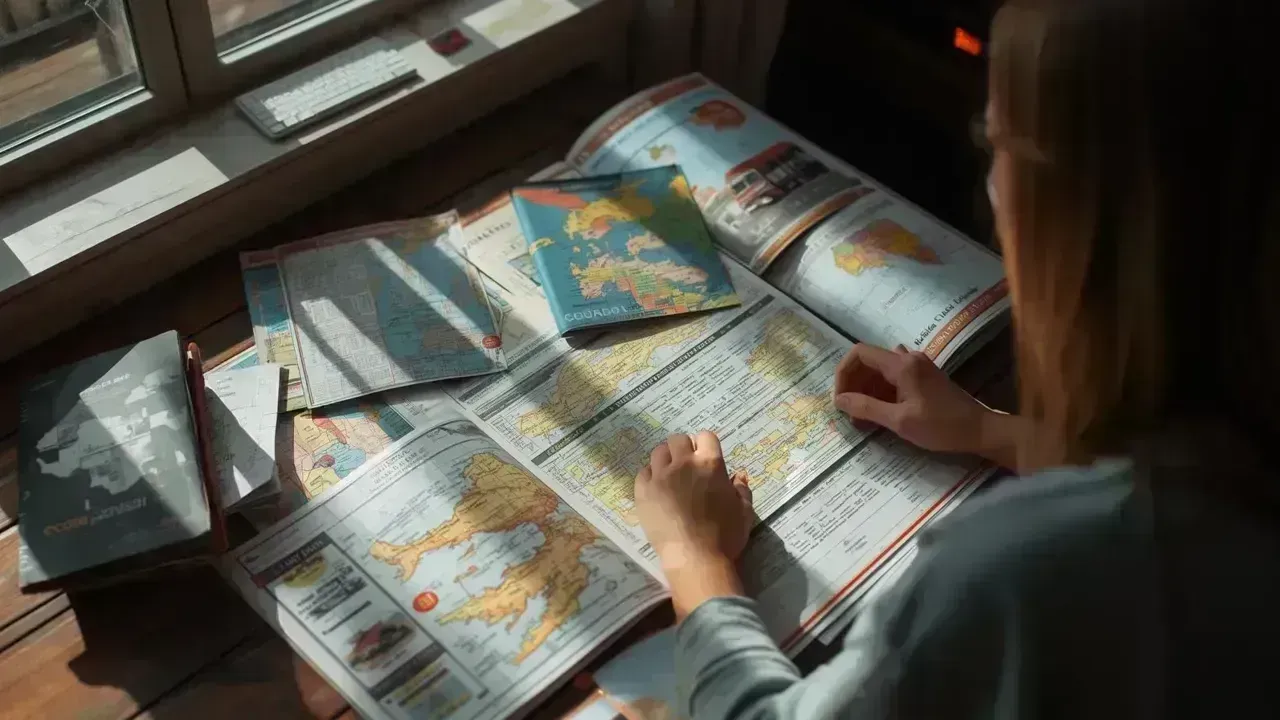
Embarking on your inaugural international adventure is thrilling. You choose a destination, arrange flights, book hotels, and fantasize about future experiences. However, many first-time travelers return feeling anxious, overspent, or unsatisfied—not due to a poor destination but because vital planning details were missed.
This guide highlights what travelers frequently overlook when planning their first international trip and how to steer clear of typical missteps that influence safety, comfort, budget, and the overall travel experience. These insights often remain absent from booking sites or social media, yet they significantly impact your time abroad.
Assuming Bookings Equal Complete Planning
New travelers often think that booking flights and hotels means they’re all set. In reality, those bookings are just the foundation.
Here’s what’s commonly neglected:
-
Transportation to and from the airport
-
Gaps between check-in and check-out times
-
Researching safety in different neighborhoods
-
Understanding the distances between attractions
Failure to grasp how everything connects can waste valuable time, energy, and money.
Neglecting Visa Preparation Time
Visa regulations are often one of the most misunderstood aspects of international travel.
Common errors include:
-
Applying too late
-
Overlooking document requirements
-
Assuming visa approval is guaranteed
-
Not checking transit country entry rules
Many travelers book non-refundable flights yet don’t secure visas in advance, resulting in financial loss. Always regard visas as a distinct planning phase.
Overlooking Passport Validity Rules
A prevalent and costly mistake.
Most countries demand:
-
At least 6 months of passport validity beyond your return date
-
One or two blank passport pages
Some airlines deny boarding even if the destination permits entry with shorter validity—this alone has derailed countless trips.
Neglecting Entry and Exit Regulations
Countries impose rules beyond just visas.
What travelers frequently miss:
-
Proof of return or onward ticket
-
Verification of accommodation
-
Minimum cash or balance on cards
-
Anticipated immigration questions
Improperly prepared documents can lead to delays, scrutiny, or even refusal at entry points.
Inadequate Currency Planning
Many first-time explorers fail to plan their finances correctly.
Common pitfalls:
-
Carrying solely cash
-
Relying exclusively on cards
-
Exchanging currency at airports
-
Failing to notify banks about international travel
Savvy travelers adopt a combination of cash, cards, and digital payments to maximize convenience.
Packing Excessively or Incorrectly
Overpacking leads to airport stress, extra fees, and daily hassle.
What’s commonly neglected:
-
Weather fluctuations
-
Cultural expectations for attire
-
Airline baggage policies
-
Availability of laundry services
Packing based on planned activities, rather than “just in case,” ensures smoother travels.
Skipping Travel Insurance or Choosing Inappropriately
Travel insurance is often ignored or misunderstood.
Common mistakes include:
-
Opting for the cheapest policy without clarity on coverage
-
Failing to cover adventure sports
-
Ignoring medical evacuation coverage
-
Lacking understanding of claim procedures
Medical emergencies abroad can be costly. Insurance is essential—it's a safeguard.
Misunderstanding Local Transportation
First-time travelers often expect transportation to be straightforward.
What they might not consider:
-
Differences between metro cards and single tickets
-
Regulations for app-based taxis
-
Potential scams targeting tourists
-
Hours of operation for public transit
Researching transportation can save money and prevent being stranded.
Trying to Fit Too Many Destinations into Limited Time
Aiming to “see it all” can lead to fatigue.
Common issues:
-
Constant packing and relocating
-
Missing out on enriching experiences due to haste
-
No downtime or flexibility
A well-paced trip generates cherished memories rather than exhaustion.
Disregarding Time Zone and Jet Lag Consequences
Jet lag can profoundly affect energy, mood, and health.
Frequently overlooked planning points:
-
Adjusting sleep patterns before departure
-
Scheduling less demanding activities upon arrival
-
Maintaining hydration throughout flights
Neglecting jet lag can diminish enjoyment in the early days of a trip.
Overlooking Mobile Connectivity
Staying connected is crucial for navigation, bookings, and emergencies.
Common oversights include:
-
Relying solely on airport Wi-Fi
-
Not verifying international roaming rates
-
Acquiring SIM cards without compatibility confirmation
Utilizing a local or international eSIM can often alleviate stress and save money.
Neglecting to Learn Basic Local Etiquette
Cultural misunderstandings can lead to awkward situations.
Examples include:
Not Preparing for Food and Dietary Concerns
Culinary experiences can pose challenges.
Common oversights:
-
Translating dietary restrictions
-
Understanding when locals typically eat
-
Safety considerations for street food
-
Water consumption advisories
Proper planning can prevent health issues and stress regarding hunger.
Neglecting Emergency Preparations
Many travelers believe that nothing will go awry.
Important details that can be overlooked include:
-
Emergency contact numbers
-
Contact information for embassies or consulates
-
Backup copies of vital documents
-
Locations for medical facilities
Preparation instills confidence, rather than fear.
Underestimating Daily Expenses
Digital budgets can fall short of actual costs.
Missed considerations:
-
Local taxation
-
Costs associated with transportation
-
Entry fees for attractions
-
The effects of currency conversion
A clear understanding of daily costs helps prevent overspending.
Failing to Secure Important Documents Digitally
Physical documents can get lost easily.
Smart preparation involves:
Expecting Social Media to Reflect Reality
Online portrayals often highlight the good, neglecting the hardships.
New travelers frequently overlook:
Overlooking the Importance of Rest Days
A jam-packed agenda can lead to burnout.
Benefits of rest days include:
-
Enhanced health
-
Opportunities for spontaneous adventures
-
Less travel fatigue
Travel should be about enjoying the journey, not racing through it.
Final Insights on First-Time International Travel
Your first international journey profoundly affects your travel perspective for years to come. The goal isn’t perfection—it’s prepared adaptability. When your planning extends beyond just bookings and emphasizes real-world details, you gain confidence while minimizing stress.
The most gratifying trips aren’t those with stringent itineraries but those that emphasize intelligent preparation.
Disclaimer
This article serves purely as general guidance. Travel requirements, regulations, costs, and safety conditions vary by country and are subject to change without notice. Readers should confirm official rules, airline policies, and government advisories before traveling. The author holds no responsibility for any outcomes resulting from reliance on this information.


 English